Indoor LED display panels are a strong choice for digital advertising when a business needs a bright, seamless, scalable screen with content that can change in real time. They are especially effective in retail stores, shopping centers, airports, showrooms, corporate venues, and entertainment spaces where people view the display from a known indoor distance.
The technology is not automatically the best option for every project. The right decision depends on viewing distance, ambient light, screen size, installation access, content workflow, and total cost of ownership. This guide explains the benefits, tradeoffs, specifications, and planning steps buyers should evaluate before investing.
Indoor LED display panels at a glance
- Best for: large, high-impact digital signage, video walls, stage backdrops, brand experiences, and frequently updated campaigns.
- Main advantages: seamless modular sizing, strong brightness and contrast, flexible formats, remote content updates, and front-service options.
- Main tradeoffs: higher initial cost than many TVs or projectors, visible pixels if the pitch is too coarse, and the need for correct power, cooling, mounting, and control-system design.
- Most important buying factors: pixel pitch, viewing distance, brightness, refresh rate, grayscale performance, cabinet design, service access, controller compatibility, warranty, and supplier support.
What is an indoor LED display panel?
An indoor LED display is a direct-view screen built from modular LED modules or cabinets. Each pixel produces its own light, so the display does not need a backlight or projection surface. Multiple cabinets join together to create a video wall in almost any practical size or aspect ratio.
That modular structure is the key difference. An LCD video wall has visible bezels between screens, while an LED wall can present one continuous canvas. A projector can create a large image, but its contrast and visibility depend more heavily on room lighting and the projection surface.
Why indoor LED display panels work for digital advertising
1. They create a seamless, high-impact visual canvas
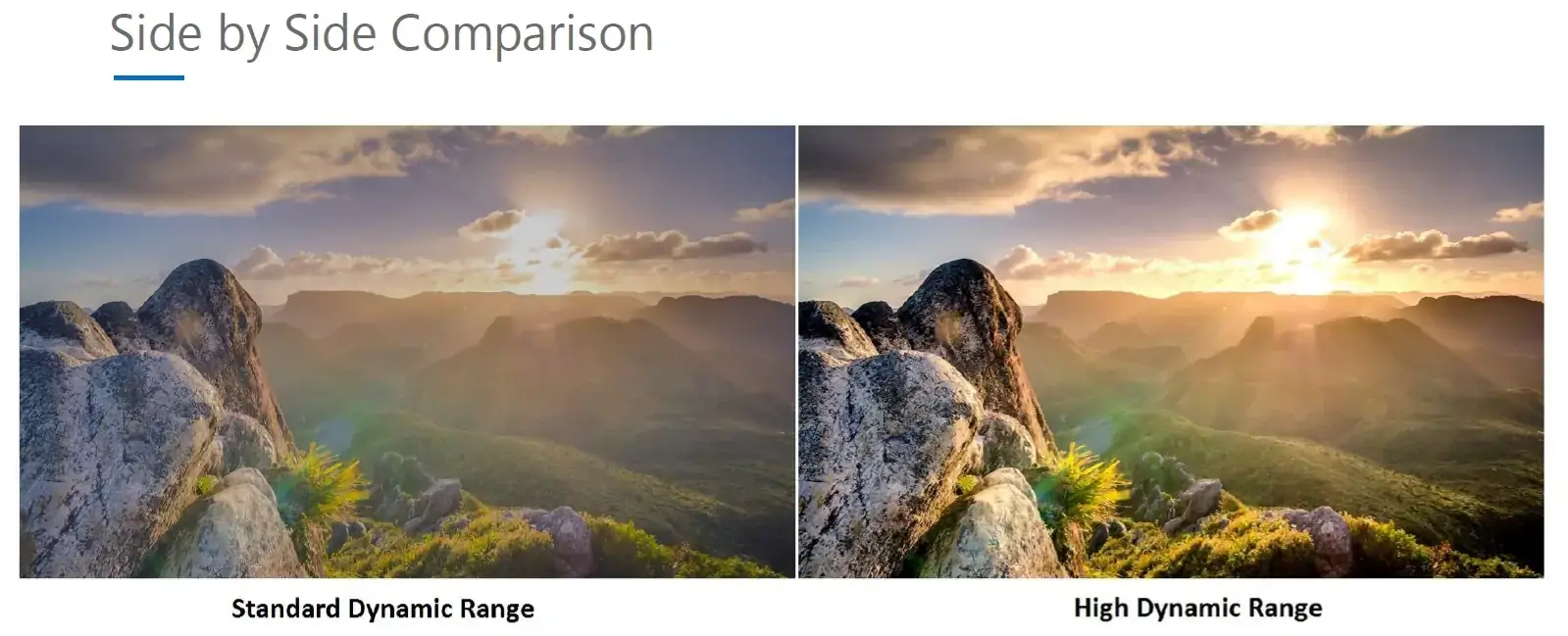
Direct-view LED technology can deliver vivid color, deep contrast, and consistent brightness across a large display. Without LCD bezels interrupting the image, brands can use full-screen motion graphics, product launches, live data, and cinematic storytelling as one composition.
Image quality still depends on the complete system. LED module quality, calibration, video processing, source resolution, viewing angle, and content production all affect the result. Buyers should assess the finished screen from the intended viewing distance rather than relying only on a specification sheet.
2. Content can change by time, audience, or location
A content management system can schedule campaigns by store, screen, time of day, or event. A retailer might promote breakfast in the morning, a product demonstration in the afternoon, and an event countdown in the evening. Networked displays also reduce the delay and waste associated with replacing printed graphics.
For multi-location deployments, define user permissions, approval workflows, publishing schedules, and fallback content before launch. Operational discipline is as important as the display hardware.
3. Modular design supports custom sizes and shapes
LED cabinets can form wide banners, portrait displays, columns, corners, curves, and conventional 16:9 video walls. This flexibility helps designers use architectural spaces that do not suit standard commercial displays.
Customization must be planned carefully. Non-standard shapes can complicate content production, structural engineering, spare-parts planning, and mapping in the LED controller. A simple, serviceable layout often produces better long-term value than an elaborate shape with limited usable content.
4. Brightness can be matched to the indoor environment
Indoor LED screens can remain clear in retail and event environments with strong ambient lighting. Brightness should be adjustable: a screen that is too bright can cause glare, reduce comfort, and waste energy. Commission the display at realistic room-light levels and create day and evening presets when conditions change.
5. The system can connect with modern marketing tools
Depending on the media player and software, an LED wall can show scheduled video, live feeds, dashboards, event information, QR codes, social content, or data-triggered creative. The integration should have a clear business purpose and a secure data flow. Avoid adding interaction or personalization merely because it is technically possible.
6. Serviceable components can extend useful life
A well-designed LED wall allows individual modules, power supplies, receiving cards, and cables to be serviced without replacing the entire screen. Front-service access is valuable when the wall is installed against a permanent surface. Keeping calibrated spare modules from the same production batch can also reduce visible color differences after a repair.
Indoor LED vs. other advertising displays
| Display type | Best fit | Key strengths | Important tradeoffs |
|---|---|---|---|
| Indoor LED video wall | Large, high-impact displays viewed from a planned distance | Seamless image, scalable size, custom formats, strong brightness | Higher initial cost; pitch and calibration must be specified correctly |
| LCD video wall | Control rooms and smaller tiled installations | High pixel density and familiar inputs | Visible bezels and fixed panel sizes |
| Commercial LCD display | Small to medium digital signs viewed close up | Sharp text, simple installation, predictable cost | Limited size and less architectural flexibility |
| Projector | Temporary events or controlled, dim rooms | Large image with lightweight display hardware | Ambient light, shadows, alignment, and maintenance can affect performance |
| Printed signage | Static messages that rarely change | Low technical complexity and no power requirement | No motion, no instant updates, and recurring replacement |
Where indoor LED advertising delivers the most value
- Retail and shopping centers: storefront campaigns, product launches, wayfinding, and seasonal promotions.
- Airports and transport hubs: large-format advertising combined with timely passenger information.
- Corporate spaces: lobbies, experience centers, auditoriums, broadcast rooms, and live dashboards.
- Hotels and conference venues: event branding, schedules, sponsor content, and stage backdrops.
- Museums and showrooms: immersive storytelling, interactive exhibits, and product visualization.
- Entertainment venues: cinema lobbies, clubs, esports spaces, and live-event environments.
The strongest use cases share three traits: enough audience traffic, content that benefits from motion or frequent updates, and a screen location that supports an appropriate viewing distance.
How to specify indoor LED display panels
Pixel pitch and viewing distance
Pixel pitch is the center-to-center distance between adjacent pixels, measured in millimeters. A smaller pitch increases pixel density and supports closer viewing, but usually increases cost and power density. Select pitch from the closest typical viewing distance, the type of content, and the level of detail people must read.
Do not choose pitch by screen size alone. Fine text, product details, and close-range interaction require more pixel density than large logos or ambient video viewed across a lobby. Ask for a physical sample or a demonstration with your own content at the planned distance.
Brightness, contrast, and calibration
Specify brightness for the actual room, including nearby windows, spotlights, and reflections. Confirm that the system supports brightness adjustment and uniform color calibration. For premium installations, evaluate low-brightness grayscale, dark-scene detail, color consistency, and performance when viewed off axis.
Refresh rate and camera performance
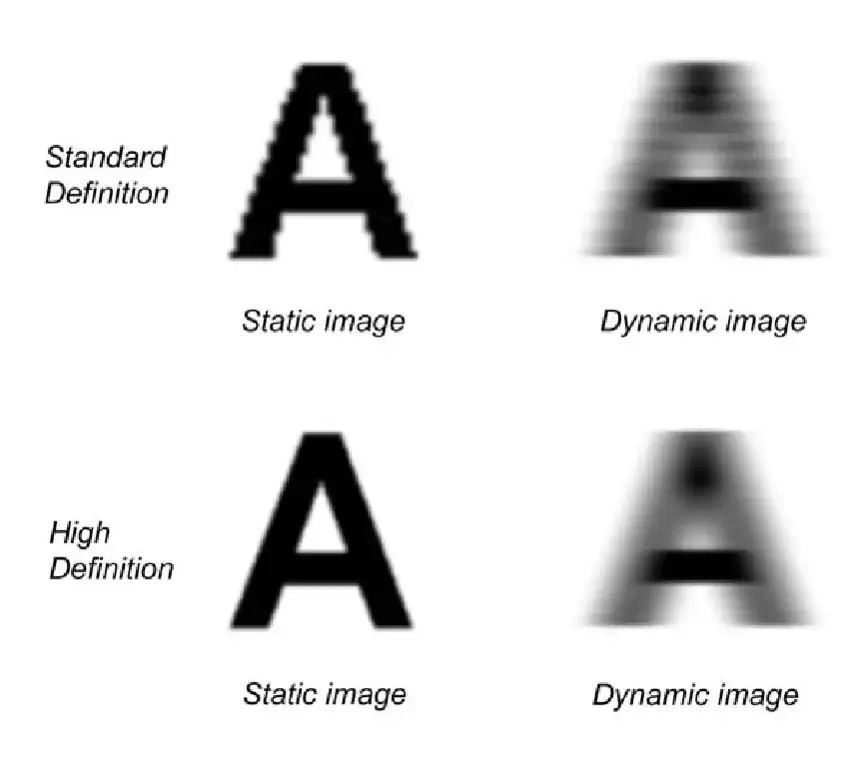
If visitors will photograph or film the display, test it with the cameras and frame rates used in the venue. Refresh rate, scan design, shutter speed, and processor settings can influence flicker and scan lines on camera even when the image looks stable to the eye.
Cabinet design and maintenance access
Confirm cabinet dimensions, weight, flatness, mounting tolerances, ventilation, cable routing, and front or rear service access. The installer should be able to replace a module and reach power or signal components without damaging the finished wall.
Controller, processor, and signal path
The controller must support the screen’s total pixel load, input formats, scaling, color depth, redundancy requirements, and content workflow. Match receiving cards, sending devices, video processors, and media players as a complete system. Browse compatible LED receiving cards, LED video processors, and asynchronous LED control cards when planning the signal chain.
Safety, power, and installation
A qualified team should verify structural support, electrical load, grounding, heat management, fire and building-code requirements, and safe access for maintenance. Request circuit drawings, load calculations, spare-parts recommendations, commissioning records, and training as part of the project scope.
Plan the content before buying the screen
The display should be designed around the message, not only the available wall area. Define the primary audience, viewing duration, readable text size, content zones, update frequency, and call to action before finalizing resolution and aspect ratio.
- Use short, legible messages that can be understood at the audience’s walking speed.
- Design at the display’s native pixel dimensions whenever possible.
- Keep essential text and logos inside safe areas.
- Use motion to direct attention, not to make every element compete.
- Add captions when audio may be muted or unsuitable for the venue.
- Create an approval calendar and keep evergreen fallback content ready.
How to evaluate cost and ROI
Compare proposals using total cost of ownership, not the cabinet price alone. Include the LED modules, controller and processor, mounting structure, installation, power distribution, content system, calibration, spare parts, maintenance access, energy use, content production, and warranty support.
A practical measurement plan connects the screen to a business outcome. Depending on the location, useful metrics can include qualified foot traffic, dwell time, QR scans, coupon redemptions, product inquiries, event registrations, or sales lift during controlled campaign periods. Define a baseline before installation so the result can be compared fairly.
Simple ROI formula: (measurable campaign value – total campaign and display cost) / total campaign and display cost. Use a time period that matches the expected service life and update cycle rather than judging the system from a single short campaign.
Indoor LED display project checklist
- Define the audience, message, screen location, and measurable objective.
- Record closest and typical viewing distances and ambient-light conditions.
- Choose the physical size, aspect ratio, pixel pitch, and native resolution.
- Confirm brightness control, refresh performance, color calibration, and viewing angle.
- Validate the controller, processor, media player, inputs, network, and redundancy plan.
- Review structure, power, heat, fire safety, cable routes, and service access.
- Test real content on a sample or demonstration screen from the intended distance.
- Agree on warranty terms, on-site support, spare modules, training, and response times.
- Commission the wall, document settings, and train content and maintenance teams.
Frequently asked questions
Are indoor LED display panels better than LCD screens?
They are better for seamless, large-format, custom-size installations. A commercial LCD may be more economical for a smaller screen viewed very close up. The best choice depends on size, viewing distance, content, lighting, and budget.
What pixel pitch should an indoor LED screen use?
Use the closest realistic viewing distance and content detail as the starting point. Smaller pitch supports closer viewing, but it should be justified by the audience’s ability to see the extra detail. A side-by-side demonstration is the most reliable way to compare options.
Can an indoor LED display run all day?
Commercial systems can be designed for long daily operating schedules, but reliability depends on thermal design, power quality, component selection, brightness settings, maintenance, and the manufacturer’s rated operating conditions.
How is content updated?
Content can be sent from a connected computer, media player, or cloud-based content management system. The right method depends on whether the screen is synchronous, scheduled, networked, or part of a multi-location fleet.
Do indoor LED displays use a lot of electricity?
Consumption varies with screen area, pixel pitch, brightness, content, and power-supply efficiency. Ask suppliers for typical and maximum consumption for the exact configuration, then calculate operating cost using the planned brightness and daily schedule.
What information should a supplier quote include?
A useful quote identifies LED type, pixel pitch, module and cabinet dimensions, resolution, brightness, refresh performance, controller and processor, power requirements, mounting method, service access, included spares, warranty, installation scope, and support terms.
Conclusion
Indoor LED display panels are shaping the future of digital advertising because they combine a seamless large canvas with flexible content, modular installation, and centralized control. Their value comes from correct specification and disciplined operation, not brightness or size alone.
Start with audience distance, content goals, environmental conditions, and service access. Then compare complete systems on image quality, reliability, support, and total cost of ownership. For a closer look at a ready-to-deploy format, see this P2.5 indoor front-service LED poster display, or contact the team with your screen dimensions and application requirements.