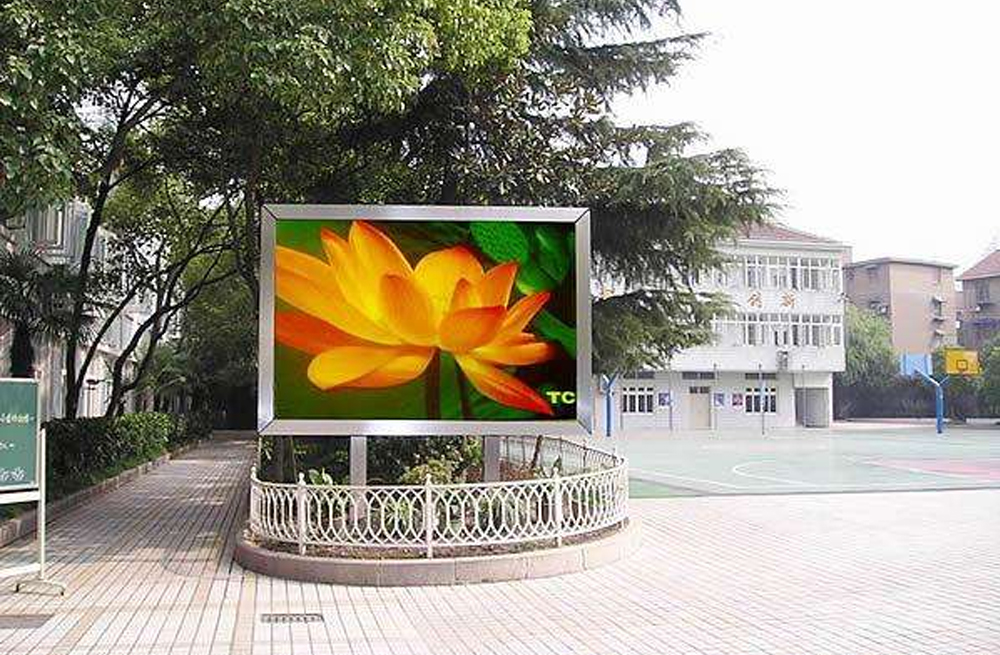
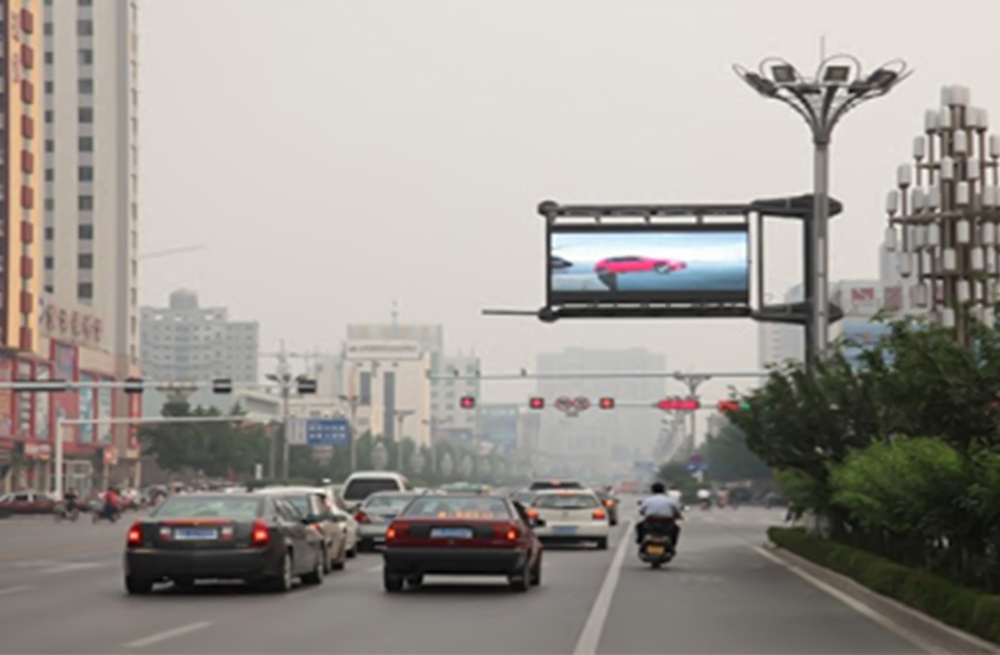
Quick answer: A transparent outdoor LED display is a see-through digital screen designed to show video and advertising while preserving part of the view through a window or facade. It is a strong choice when architecture, daylight and sightlines matter. A conventional outdoor LED display is usually better when maximum brightness, close pixel spacing or complete image density is the priority. Not every transparent LED screen is suitable for outdoor use, so weather protection, brightness, structure and service access must be verified before purchase.
Last reviewed: August 2026. Product performance varies by model and installation. Confirm the final specifications and structural requirements with the display supplier and a qualified engineer.
What Is a Transparent Outdoor LED Display?
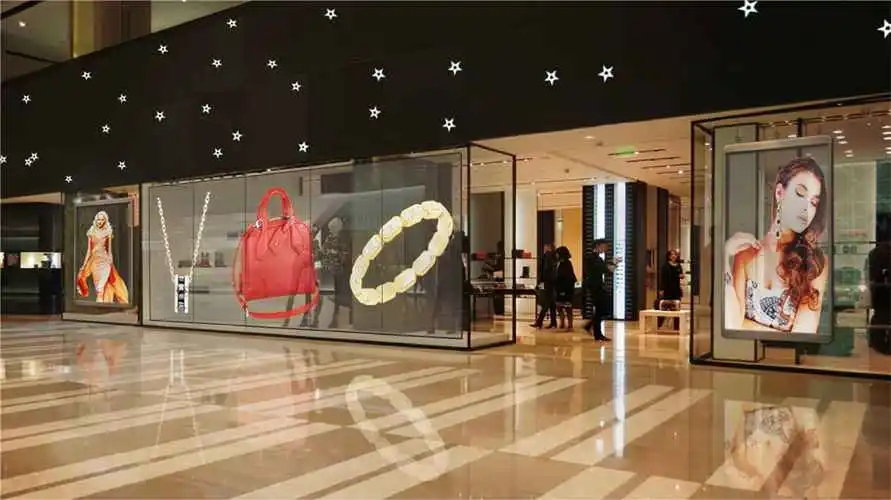
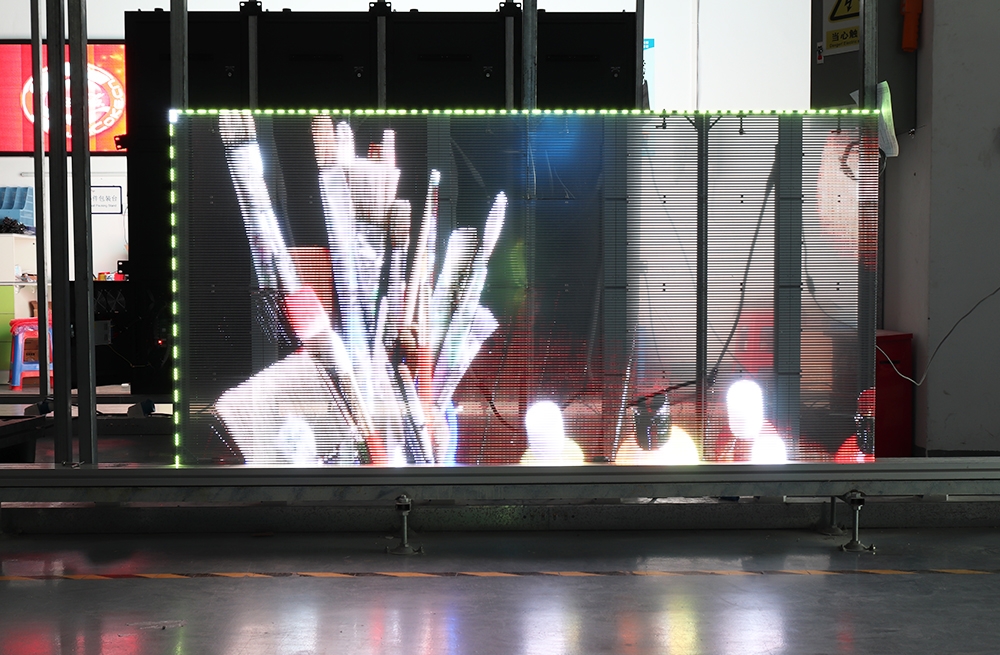
A transparent outdoor LED display uses narrow LED strips, lightweight modules or open-grid cabinets with gaps that allow light and background scenery to remain visible. When the LEDs are on, the screen presents video, text and graphics. When the content is dark or the screen is off, the structure appears substantially more transparent than a conventional solid LED cabinet.
The word outdoor is important. An indoor transparent screen installed behind glass is not the same as a weather-exposed outdoor transparent display. A true outdoor system must be designed for rain, dust, temperature changes, ultraviolet exposure, drainage, wind load and safe electrical operation in its intended location.
Transparent vs Conventional Outdoor LED Displays
| Decision factor | Transparent outdoor LED display | Conventional outdoor LED display |
|---|---|---|
| Visibility through the screen | Preserves part of the view and natural light | Uses a solid cabinet that blocks the view |
| Image density | Lower LED coverage because of the transparent structure | Higher LED coverage and stronger image uniformity |
| Typical application | Glass facades, architectural media, storefronts and creative stages | Billboards, stadiums, roadside signs and large outdoor video walls |
| Structural appearance | Lightweight, open and visually integrated with the building | More visible cabinet and support structure |
| Content style | High-contrast motion graphics with controlled negative space | Video, text and detailed full-frame advertising |
| Primary design trade-off | Transparency versus brightness, resolution and viewing distance | Resolution, brightness, cabinet depth and installation weight |
Seven Specifications to Check Before Buying
1. Outdoor Protection and Environmental Rating
Ask for the protection rating of the complete installed system, not only an individual module. Confirm which sides are protected against water and dust, whether exposed connectors are sealed, and how the design handles drainage and condensation. Also verify the permitted operating temperature, humidity range, corrosion protection and ultraviolet resistance.
An enclosure rating does not replace correct installation. Cable entries, power boxes, ventilation openings and cabinet joints must all be treated as part of the weatherproofing plan.
2. Brightness and Daylight Visibility
Required brightness depends on screen orientation, direct sunlight, nearby reflections and operating hours. A screen facing intense afternoon sun generally needs more output than one under a canopy. Compare both maximum and typical operating brightness, then confirm that the screen supports automatic or scheduled brightness adjustment.
Running at full brightness after dark wastes power, reduces visual comfort and may violate local signage rules. A light sensor and a site-specific brightness schedule usually produce a more consistent result.
3. Transparency Rate
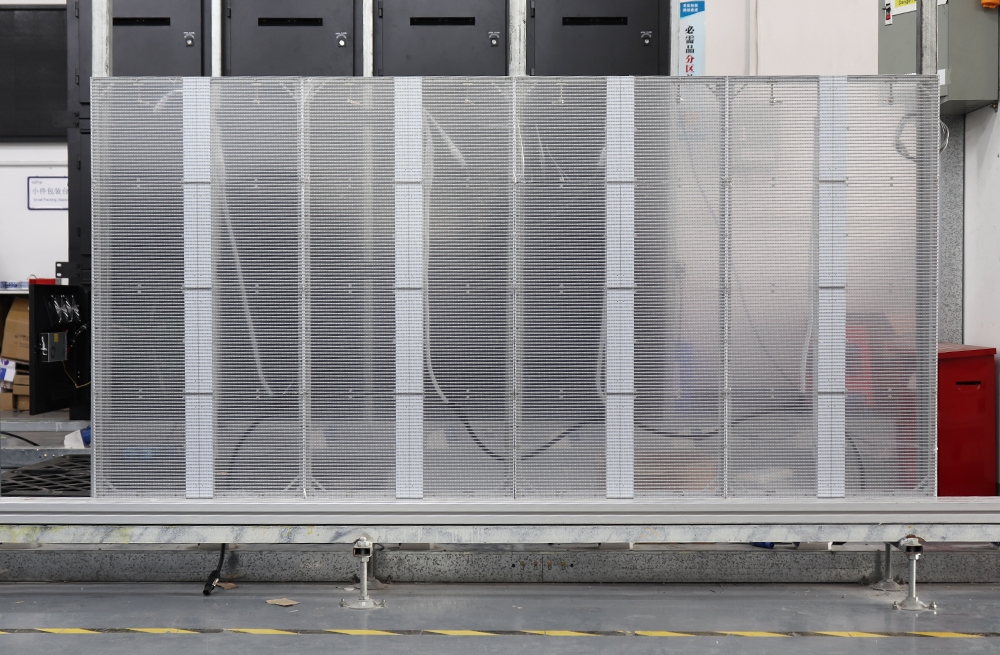
Transparency is influenced by module construction, pixel pitch, LED strip width and viewing angle. A higher percentage is not automatically better: greater transparency can reduce pixel density and perceived image detail. Review a physical sample from the actual viewing distance instead of selecting a screen from a percentage alone.
4. Pixel Pitch, Resolution and Viewing Distance
Pixel pitch is the center-to-center distance between adjacent pixels. A smaller pitch provides more pixels in the same area and can improve detail at shorter distances, but it may reduce transparency and increase cost. A larger pitch is often acceptable when viewers are farther away.
Calculate the physical screen size and native pixel resolution before producing content. Videos should be designed for the actual canvas ratio and resolution so that text, logos and product images remain clear without unnecessary scaling.
5. Structure, Wind Load and Building Integration
The screen, frame, power equipment and cabling create permanent and dynamic loads. For facade and rooftop projects, a qualified engineer should check attachment points, wind pressure, vibration, access routes and local building requirements. The open structure of a transparent display can reduce wind resistance, but it does not eliminate the need for a structural calculation.
6. Power, Heat and Service Access
Compare average and maximum power consumption rather than assuming that a transparent screen always uses less energy. Power demand changes with brightness, content and LED density. Confirm electrical distribution, grounding, surge protection, ventilation and emergency isolation.
Choose front or rear maintenance according to the site. Modules, power supplies, receiving cards and cables should be replaceable without removing large sections of the facade or closing a public area for an extended period.
7. Control System and Content Workflow
Confirm that the sending controller, receiving cards, media player and software support the screen resolution, refresh rate, color depth and input sources. For remote publishing, define user permissions, content approval, network security and a fallback playlist. Critical public information systems should also include appropriate signal and power redundancy.
How to Maximize Visual Impact
Choose the Site Before Choosing the Screen
Document the main viewing directions, viewing distance, pedestrian or vehicle speed, sun path and surrounding light. A transparent display works best when viewers see both the digital content and the architecture behind it. Avoid locations where columns, tinted glass, reflections or interior lighting make the image difficult to read.
Design Content for a Transparent Canvas
Content created for a television or solid billboard often performs poorly on a transparent screen. Use the screen’s negative space as part of the composition and test the design against the real background.
- Use high-contrast subjects and simple silhouettes.
- Limit each scene to one main message or action.
- Keep copy short and use large, readable type.
- Avoid thin lines, small details and low-contrast photography.
- Use dark or transparent backgrounds when the architecture should remain visible.
- Keep important content away from cabinet seams and obstructed areas.
- Preview every campaign at the expected viewing distance and speed.
Match Message Length to Audience Movement
A roadside viewer may have only a few seconds to understand the message, while a shopper near a storefront can engage with a longer sequence. Build the loop around realistic dwell time. Put the brand, product and main action early in the sequence instead of relying on viewers to watch the entire loop.
Schedule Content and Brightness Together
Use different playlists for daylight, evening, events and closed hours. Bright daytime creative can use strong shapes and saturated color, while evening content should reduce large white areas and excessive luminance. Coordinating content with brightness control improves legibility and reduces unnecessary power use.
Use Real-Time Content Carefully
Transparent LED displays can show schedules, event information, social content and live data when connected to an appropriate control system. Automated feeds should have moderation, formatting rules and a reliable fallback. Emergency messages must follow local accessibility and public-safety requirements rather than relying on an advertising display as the only notification channel.
Best Applications for Transparent Outdoor LED Displays
Retail Windows and Shopping Centers
A transparent display can promote products while allowing customers to see merchandise and activity behind the glass. For protected window installations, verify whether an indoor model behind glass or a fully outdoor-rated model is required.
Glass Facades and Architectural Media
Hotels, offices and commercial buildings can integrate digital media without covering the entire facade with opaque cabinets. The design must be coordinated with the glass system, cleaning access, fire routes and structural attachments.
Transportation and Public Spaces
Airports, stations and pedestrian areas can use transparent screens for branding, wayfinding and event information where preserving sightlines matters. Content must remain readable and should not obstruct safety signs or required visibility.
Stages, Exhibitions and Live Events
Transparent LED walls can layer digital content over performers, products or scenery. Rental projects should prioritize rapid assembly, safe rigging, viewing-angle consistency and reliable spare modules.
When a Conventional Outdoor Screen Is Better
Choose a conventional outdoor LED display screen when the site needs maximum image density, stronger contrast, smaller pixel pitch or a fully opaque advertising surface. For a freestanding portrait-format solution, compare the requirements with an outdoor LED poster display. Transparent and conventional products solve different problems; neither is universally superior.
Transparent LED Display Planning Checklist
- Measure the installation area and identify the primary viewing distances.
- Record sun exposure, ambient light, temperature and weather conditions.
- Decide how much visibility and natural light must remain through the screen.
- Calculate physical size, aspect ratio, pixel pitch and native resolution.
- Confirm outdoor protection, drainage, corrosion resistance and cable sealing.
- Obtain structural and wind-load approval for the complete installation.
- Verify power distribution, grounding, surge protection and heat management.
- Select front or rear service access and plan safe maintenance routes.
- Test sample content at the real viewing distance in daytime and at night.
- Document the control system, backups, spare parts and maintenance schedule.
Common Mistakes to Avoid
- Installing an indoor transparent display in an exposed outdoor location.
- Selecting the highest transparency rate without testing image visibility.
- Using small text or detailed video designed for a solid display.
- Ignoring reflections, background lighting and the direction of sunlight.
- Judging performance only from maximum brightness or promotional photographs.
- Changing the cabinet layout after content and control-system planning.
- Failing to provide drainage, ventilation or safe maintenance access.
- Operating at excessive brightness at night.
Frequently Asked Questions
Are all transparent LED displays waterproof?
No. Many transparent LED products are designed for indoor use or protected installation behind glass. For direct outdoor exposure, verify the environmental rating and weatherproofing of the complete installed system.
Can a transparent LED display be seen in direct sunlight?
It can be, provided the selected model delivers sufficient brightness and the content has strong contrast. Screen orientation, reflections and local sunlight must be evaluated at the site.
What is the best pixel pitch for a transparent outdoor LED display?
There is no universal best pitch. The correct choice depends on viewing distance, screen size, transparency target, content detail and budget. Test the proposed pitch with representative content before ordering.
Is a transparent LED display more energy efficient?
Not automatically. Its open structure may contain fewer LEDs than a comparable solid screen, but real consumption depends on LED density, brightness settings and content. Compare certified average and maximum power figures for the exact models.
How is a transparent LED screen maintained?
Maintenance can be from the front or rear, depending on the product and structure. The design should allow safe replacement of modules, power supplies, receiving cards and cables without dismantling the entire installation.
Can transparent LED displays show live information?
Yes. With a compatible controller, media player and network connection, they can display schedules, event data and approved live feeds. Access control, moderation and fallback content should be part of the system plan.
Where can I compare a transparent LED display product?
Review the specifications of the P3.91-7.82 transparent LED display, then confirm whether its protection, brightness, dimensions and service method match the intended site.
Conclusion
A transparent outdoor LED display creates the greatest impact when the screen, architecture and content are designed as one system. Start with the site conditions and required sightlines, then evaluate environmental protection, brightness, transparency, pixel pitch, structure, power and maintenance. Use simple high-contrast content created for the native canvas, and test it under real daylight and nighttime conditions before final approval.
For an accurate proposal, provide the installation dimensions, viewing distance, reference photos, exposure to weather, required transparency and expected content sources. These details make it possible to compare transparent and conventional outdoor LED solutions on the same technical basis.