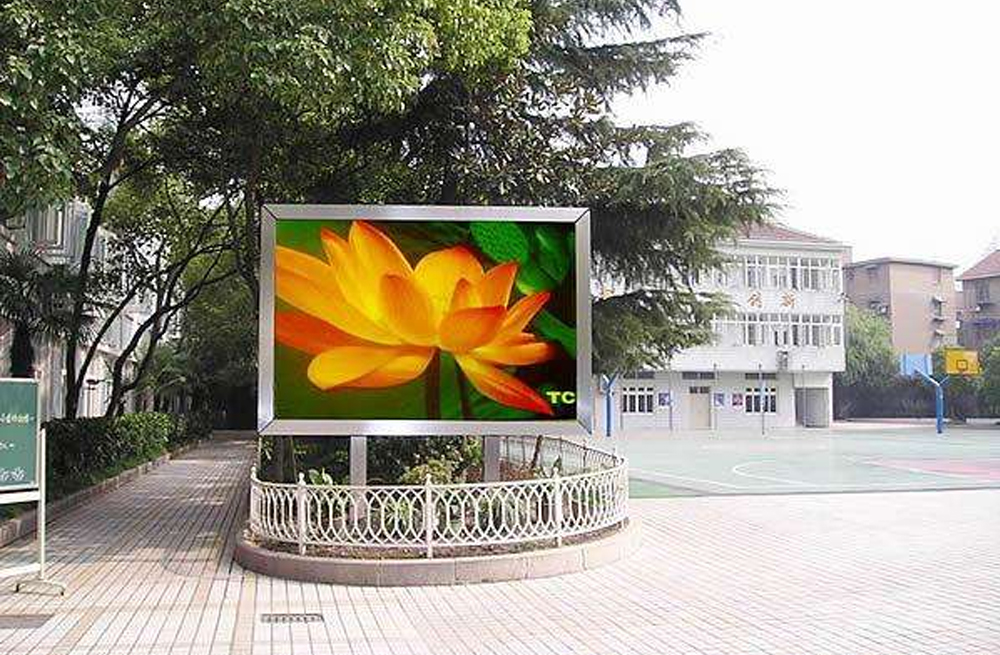
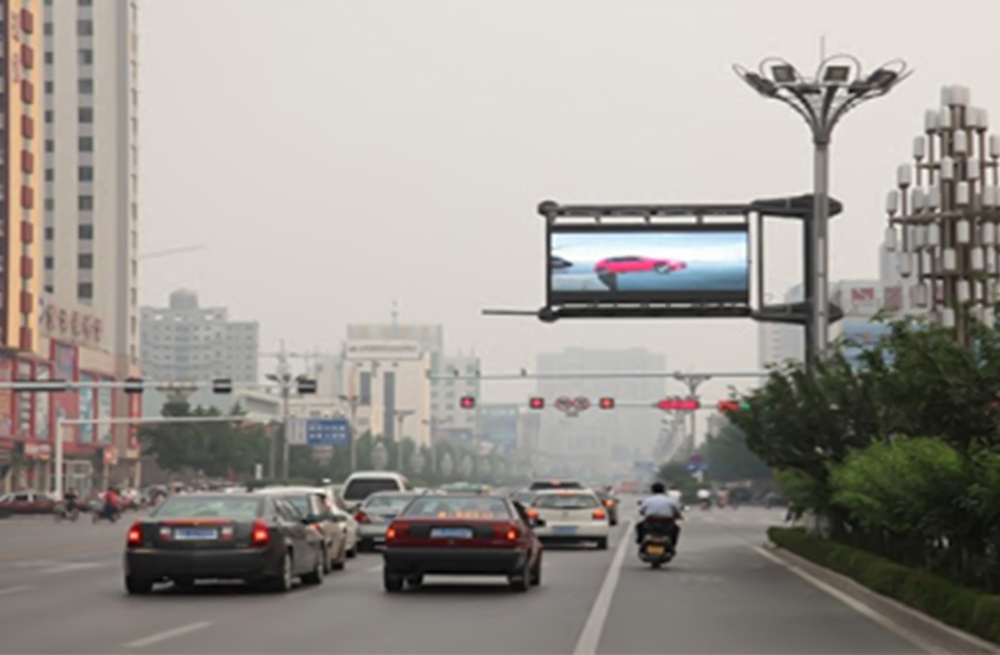
An outdoor fixed LED screen is a permanently installed, weather-resistant digital display designed for daylight visibility and continuous operation. It is commonly used on building facades, roadside structures, shopping centers, transport hubs, public squares and sports venues. Unlike a printed billboard, it can show video, animation, live information and scheduled campaigns without replacing the physical display.
Quick answer: Outdoor fixed LED screens are most effective when a business needs bright, remotely updated content in a high-traffic location. The right specification depends on viewing distance, ambient light, pixel pitch, cabinet design, weather protection and maintenance access. Pixel pitch alone does not determine image quality or project value.
What Is an Outdoor Fixed LED Screen?
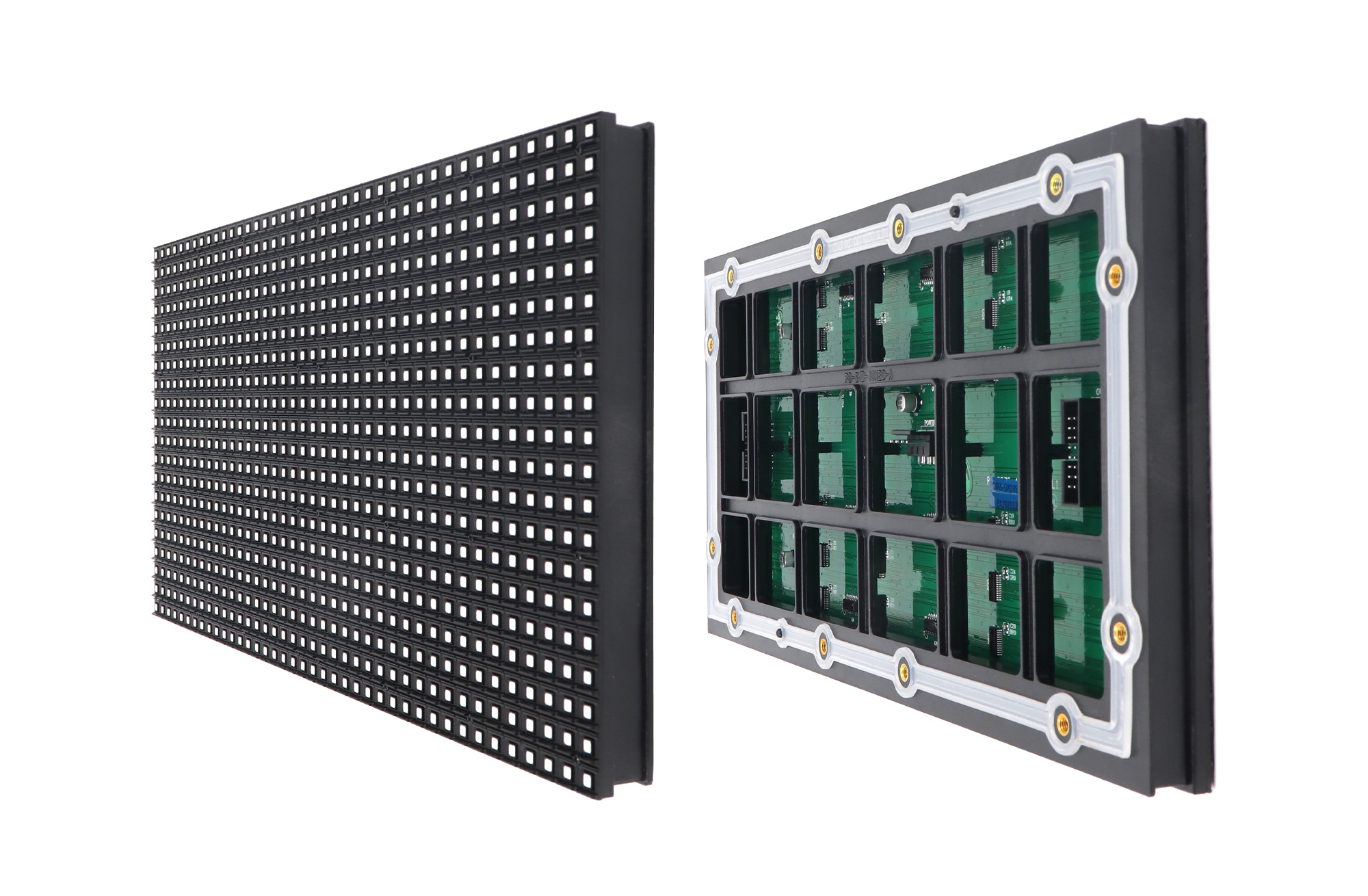
An outdoor fixed LED screen combines LED modules, receiving cards, power supplies, cabinets, a video controller and control software in a permanent installation. A steel structure supports the display, while weather-sealed cabinets and ventilation or cooling systems protect the electronics. Content can be sent through a local computer, a networked media player or a cloud-based publishing platform.
The word fixed describes the installation method. These displays are engineered to remain in one location, unlike rental LED panels that are repeatedly assembled and transported. This makes fixed systems suitable for long operating schedules, custom dimensions and site-specific structural designs.
Why Businesses Choose Outdoor Fixed LED Screens
1. High visibility in daylight
Outdoor LEDs can produce enough brightness and contrast to remain readable in direct or indirect sunlight. Automatic brightness control is especially valuable: a light sensor can raise output during the day and reduce it at night, improving comfort, energy use and LED longevity. For compatible control systems, an outdoor LED screen light sensor can support this adjustment.
2. Fast, flexible content updates
Operators can schedule different messages by time, location or campaign. A retail center can promote lunch offers at noon, event information in the afternoon and brand campaigns in the evening. Emergency notices, traffic information and live event content can also be published without printing or installing a new billboard face.
3. Better use of premium locations
One screen can rotate multiple campaigns, allowing a media owner to sell several time slots from the same structure. The commercial result still depends on audience volume, dwell time, local advertising rules and content quality, but the display creates more inventory than a single static poster.
4. Modular size and shape
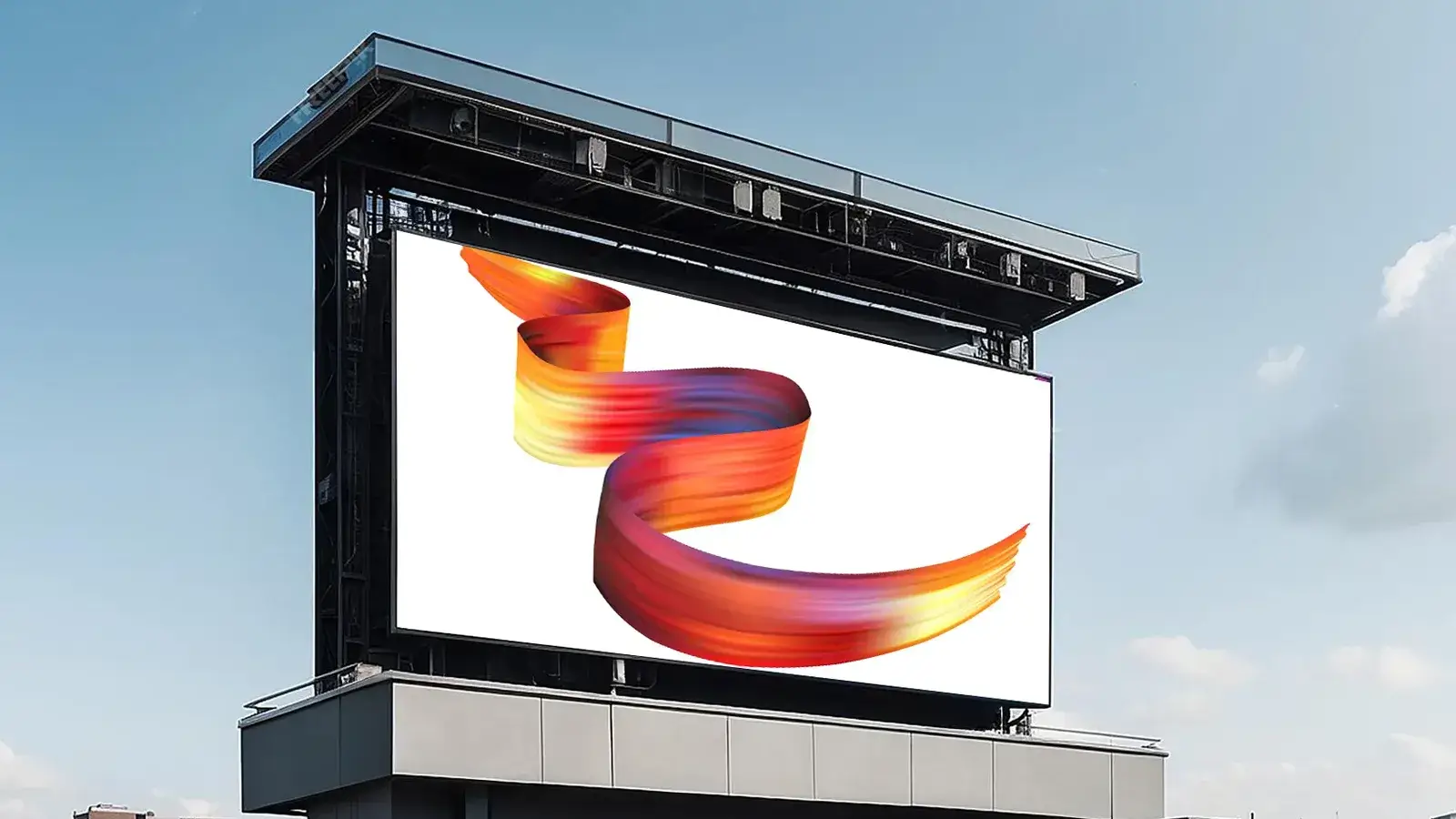
LED cabinets can be combined into standard or custom aspect ratios. This makes the technology useful for narrow roadside signs, large-format wall displays and architectural installations. A modular design also lets technicians replace a module, receiving card or power supply without replacing the complete screen.
5. Long-term maintainability
A well-designed fixed screen provides safe access to serviceable components, documented spare parts and clear electrical distribution. These details reduce downtime and often matter more to total cost of ownership than the initial module price.
Outdoor LED Screen Specifications That Matter
Use the following ranges as a starting point, not a final engineering specification. The correct design must be confirmed against the site survey, viewing conditions, local electrical code and structural requirements.
| Specification | What it affects | Practical guidance |
|---|---|---|
| Pixel pitch | Viewing distance, detail and cost | P2.5-P4 for closer facade viewing; P4-P6 for many roadside and commercial sites; P6-P10 or larger for longer viewing distances |
| Brightness | Daylight readability | About 5,000-10,000 nits is common for outdoor projects; specify automatic adjustment instead of running maximum brightness continuously |
| Ingress protection | Resistance to dust and water | IP65 on the exposed front is a common starting point; confirm the rear rating, test conditions and cabinet design with the supplier |
| Refresh rate | Camera performance and motion | At least 3,840 Hz is preferred when the screen will be filmed or used around broadcast cameras |
| Viewing angle | Audience coverage | Match the LED package and cabinet orientation to the real pedestrian and vehicle sightlines |
| Service access | Maintenance time and structure depth | Choose front, rear or dual service based on wall clearance and safe technician access |
| Power consumption | Electrical capacity and operating cost | Request both maximum and typical consumption, then size distribution and protection for the approved load |
| Operating temperature | Reliability in local weather | Verify the complete display, power supply and control equipment ratings, not only the LED module rating |
How to select pixel pitch
Pixel pitch is the center-to-center distance between adjacent pixels. A smaller pitch provides more pixels in the same area, but it increases cost and may not create a visible benefit at long distances. Start with the closest realistic viewing distance, the content type and the screen’s physical dimensions. Text-heavy content viewed from a sidewalk needs more detail than a large logo viewed from across a highway.
How bright should an outdoor screen be?
More brightness is not automatically better. Excessive output at night can reduce visual comfort, waste energy and create compliance issues. The best system maintains suitable contrast across changing light conditions. Ask for a calibrated brightness plan, an ambient light sensor and software limits for day and night operation.
What does IP65 mean?
An IP rating describes protection against solid particles and water under defined test conditions. It does not guarantee that every installed screen will survive every climate. Cabinet joints, cable entries, drainage, corrosion resistance and installation workmanship also affect weather performance. Ask the supplier to state the front and rear ratings separately and identify the standard used for testing.
Fixed LED Screen vs. Static Billboard vs. Rental LED
| Option | Best for | Main advantage | Main limitation |
|---|---|---|---|
| Outdoor fixed LED screen | Permanent advertising and public information | Dynamic content, remote scheduling and high brightness | Higher initial investment and site engineering |
| Static billboard | One long-running creative | Simple operation and low technical complexity | Manual replacement and one message at a time |
| Rental outdoor LED | Concerts, temporary events and touring productions | Fast assembly and repeated transport | Not optimized for a permanent, site-specific installation |
Common Applications
- Retail and shopping centers: promotions, tenant campaigns, wayfinding and event announcements.
- Building facades: brand media, architectural communication and large-format digital out-of-home advertising.
- Roadside and transport sites: high-visibility messages designed for short viewing times.
- Public squares: community notices, event video and public information.
- Corporate campuses: brand communication, visitor information and safety messaging.
- Sports venues: sponsor content, scores, replays and fan engagement.
Stadium Perimeter LED Screens
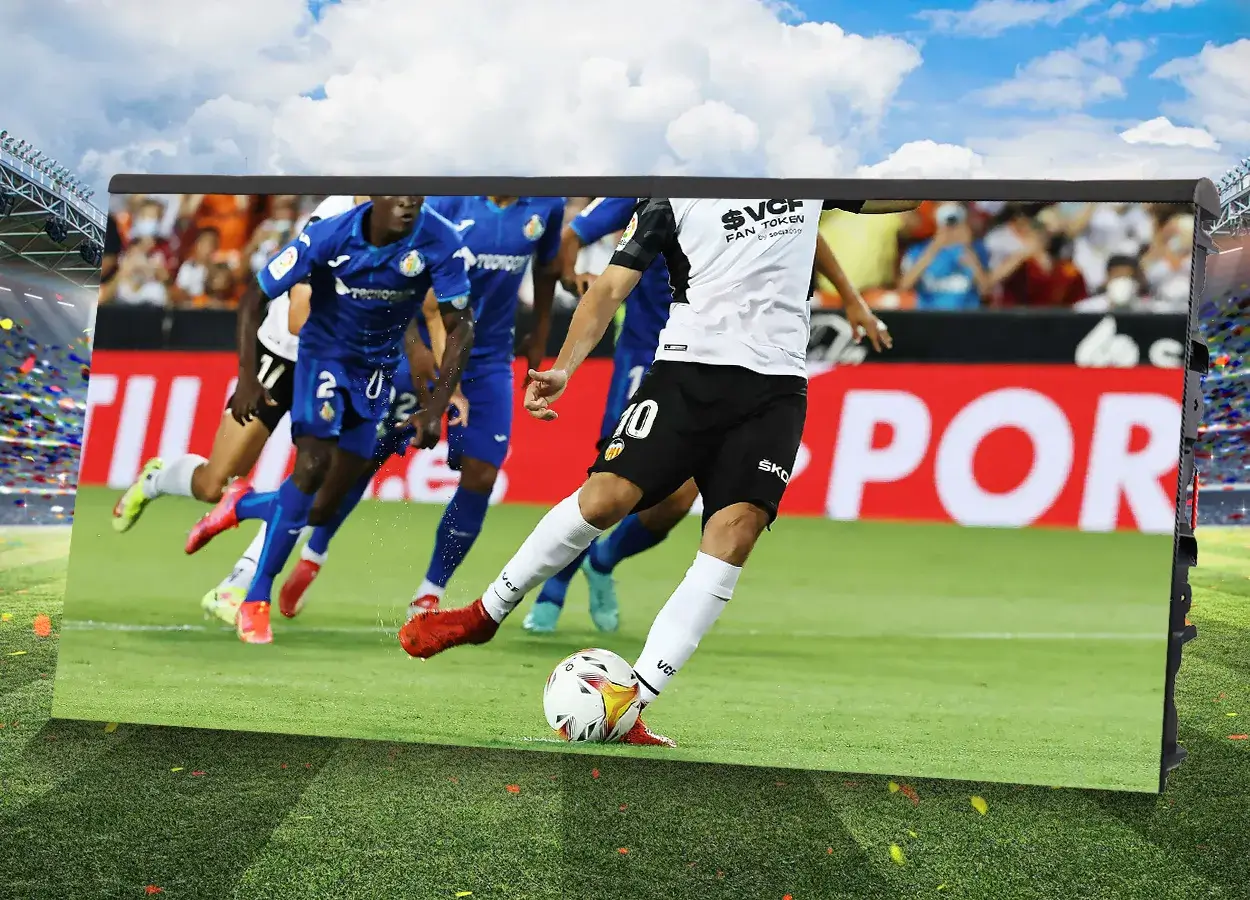
Stadium perimeter displays are a specialized form of outdoor LED system. They sit close to the field and need protective top covers, soft masks and stable supports to reduce risk to players. Image quality must remain consistent across long screen runs, and refresh rate is important because broadcast cameras frequently capture the display.
For a stadium project, confirm the cabinet connection system, emergency access, impact protection, control redundancy and camera test results. Content templates should also respect the safe visible area so logos and text remain legible from both spectator seats and broadcast angles.
How to Plan an Outdoor Fixed LED Screen Project
- Define the business objective. Decide whether the screen will sell advertising, promote one brand, provide information or support live events.
- Survey the site. Record screen dimensions, closest and typical viewing distances, sunlight direction, traffic speed, mounting points and service access.
- Check permits and restrictions. Confirm local rules for structure, brightness, operating hours, road safety and advertising content before finalizing the design.
- Engineer the structure. A qualified professional should account for display weight, wind load, mounting method, corrosion protection and maintenance loads.
- Design the electrical system. Use the supplier’s maximum load, appropriate protection, grounding and surge protection. Consider backup power where uninterrupted operation is important.
- Select the LED and control system. Match pitch, brightness, refresh rate, color performance and controller capacity to the content and site.
- Plan maintenance. Confirm front or rear access, spare module quantity, receiving cards, power supplies, cables, diagnostic tools and response times.
- Test before acceptance. Inspect uniformity, dead pixels, grayscale, camera performance, waterproofing, content scheduling and brightness control.
For available configurations and components, browse the outdoor LED display screen category. The related guide to outdoor LED display modules explains how modular construction affects performance and service.
How to Evaluate Cost and ROI
The purchase price is only one part of an outdoor LED screen budget. Include the steel structure, installation, lifting equipment, electrical work, data connection, control equipment, permits, content production, energy, spare parts and planned maintenance. A low initial quote can become expensive if the design uses difficult-to-source modules or provides poor service access.
For advertising operators, estimate revenue using realistic occupancy and pricing rather than assuming every time slot will sell. For a brand-owned display, measure campaign reach, store visits, promotions delivered and the value of avoiding repeated print production. Compare these benefits against the full project cost over the intended operating period.
Supplier Checklist
- Module and cabinet drawings with exact dimensions and weight
- Front and rear IP ratings with test documentation
- Maximum and typical power consumption
- Brightness, refresh rate, grayscale and viewing-angle specifications
- LED, power supply, receiving card and controller model information
- Structural interface, ventilation and cable-routing drawings
- Calibration procedure and screen configuration backup
- Warranty coverage, exclusions and response process
- Recommended spare-parts list and future module matching policy
- Factory aging, waterproofing and final acceptance records
Frequently Asked Questions
What is the main advantage of an outdoor fixed LED screen?
Its main advantage is the ability to present bright, dynamic content that can be updated remotely while the display remains permanently installed in a high-traffic location.
What pixel pitch is best for an outdoor LED screen?
There is no single best pitch. Choose it from the closest viewing distance, screen size, content detail and budget. P2.5-P4 often suits closer viewing, while P6-P10 can be appropriate at longer distances.
Is IP65 enough for outdoor use?
IP65 on the exposed face is a common requirement, but it is not the whole weatherproofing plan. Confirm the rear rating, cabinet seals, drainage, cable entries, corrosion protection and local climate.
How much brightness does an outdoor LED screen need?
Many outdoor applications use approximately 5,000-10,000 nits. The correct level depends on sunlight, screen orientation and local limits. Automatic brightness control is recommended for day and night operation.
Can outdoor LED screen content be updated remotely?
Yes. A connected controller or media player can receive scheduled content through a local network, internet connection or cloud platform. Access control and configuration backups should be part of the system design.
How long does an outdoor fixed LED screen last?
Service life varies with LED quality, brightness settings, temperature, moisture control, power quality and maintenance. Compare supplier warranty terms, aging data and spare-parts support instead of relying on one headline lifespan figure.
Conclusion
Outdoor fixed LED screens can turn a permanent location into a flexible communication asset, but successful projects are built on site-specific engineering rather than headline specifications. Start with viewing conditions and business goals, then verify weather protection, brightness control, structure, power, service access and supplier support. This approach produces a display that is easier to operate, maintain and justify over the long term.