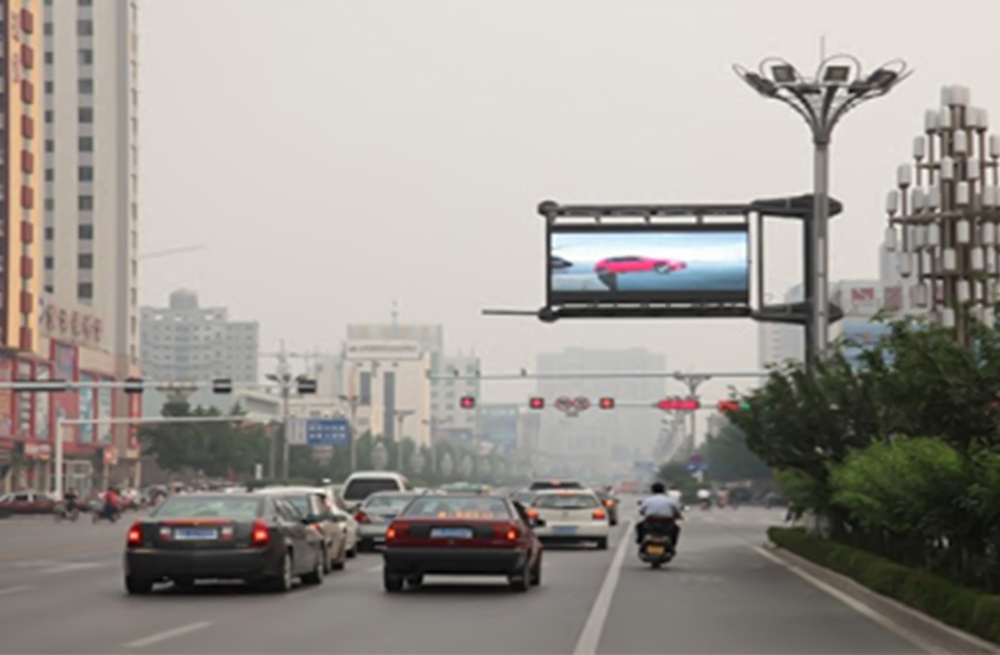
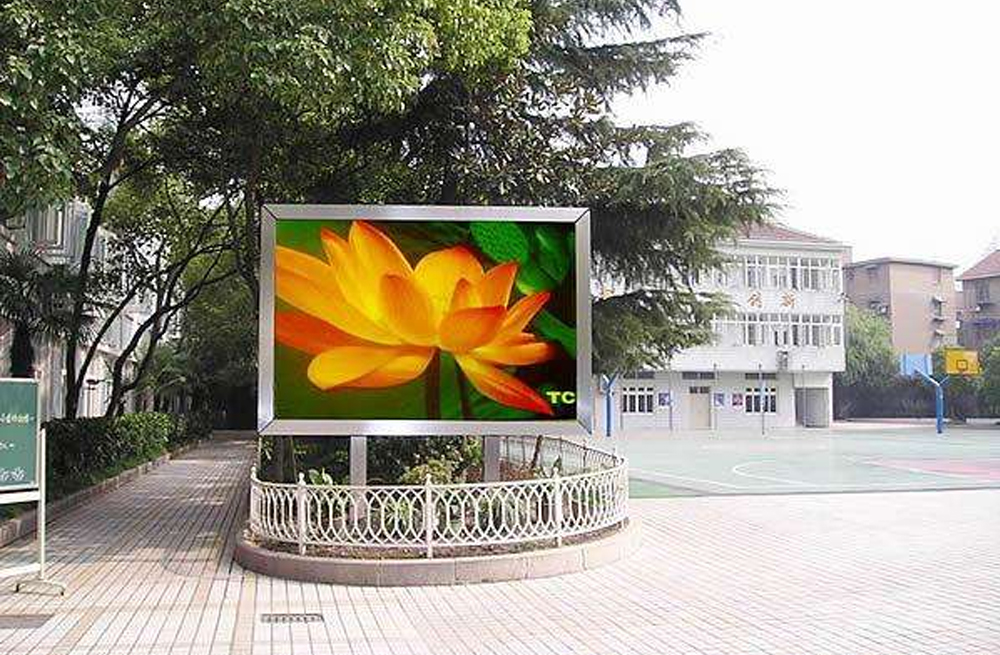
The best indoor advertising reaches people at the right moment, communicates one clear message, and makes the next step obvious. Indoor LED displays are particularly effective because their content can be updated quickly, scheduled by time of day, and adapted to different locations. For retailers, shopping malls, restaurants, hotels, event venues, transport hubs, and corporate spaces, that flexibility turns a screen into a practical customer-acquisition tool rather than a static sign.
This guide explains how to plan indoor LED advertising, choose a suitable display, create content that earns attention, and measure whether the campaign is working.
What Makes the Best Indoor Advertising Effective?
Indoor audiences are already inside a defined environment. They may be comparing products, waiting for service, attending an event, or moving toward a purchase. Effective advertising matches the message to that context.
- Relevant placement: Put the display where the intended audience naturally pauses or changes direction.
- Fast comprehension: Lead with one benefit, offer, or instruction that can be understood in seconds.
- Readable presentation: Use high contrast, large type, and uncluttered layouts.
- Timely content: Schedule messages for the audience and offer available at that moment.
- Clear action: Tell viewers what to do next, such as visit a counter, scan a QR code, ask for a demo, or enter a store.
Unlike printed posters, an indoor advertising LED display can rotate several messages, respond to changing inventory, and support video or motion graphics. The goal is not constant movement; it is controlled visual emphasis that helps the most important message stand out.
Best Indoor Advertising Formats by Location
| Location | Useful format | Primary objective |
|---|---|---|
| Retail store or showroom | Wall-mounted LED display or digital window display | Promote products, offers, and demonstrations |
| Shopping mall | Large-format LED wall or directory display | Build awareness and guide foot traffic |
| Restaurant or cafe | Digital menu board | Present choices, prices, and limited-time offers |
| Hotel or corporate lobby | Reception video wall | Welcome visitors and communicate brand information |
| Exhibition or event venue | indoor rental LED panel | Support presentations, sponsorships, and live content |
| Gym, club, or entertainment venue | Feature screen or ribbon-style display | Create atmosphere and promote services |
How to Choose an Indoor LED Display
1. Start with viewing distance
Pixel pitch is the distance between adjacent LED pixels. A smaller pitch produces a finer image at close range but generally increases cost. For close-viewed retail, reception, or control-room applications, fine-pitch options such as P1.5 to P2.5 are common. For larger spaces where viewers stand farther away, P2.5 to P4 may provide a more economical balance. Read our guide to P2.5 LED displays for advertising for a closer look at one widely used option.
2. Match brightness to the room
An indoor display should be bright enough to remain clear under the site’s lighting without causing glare or visual fatigue. A storefront facing strong daylight needs a different brightness level from a meeting room or hotel lobby. Automatic brightness adjustment can help maintain a comfortable image as ambient light changes.
3. Check dimensions and aspect ratio
Design the display around the wall, sight lines, and content format. A standard 16:9 canvas simplifies video production, while custom LED configurations can fit columns, corners, stages, and architectural features. Confirm the final pixel resolution before producing campaign artwork.
4. Plan control and connectivity
The LED control system determines how content reaches the screen. A synchronous system is useful for live video and presentations, while an asynchronous player can run scheduled content without a continuously connected computer. Consider input sources, remote management, network access, backup requirements, and who will update the playlist.
5. Account for service access
Ask whether modules, power supplies, and receiving cards will be maintained from the front or rear. Front-service access is valuable when the display is mounted directly against a wall. Reliable ventilation, cable routing, spare parts, and a documented maintenance plan also reduce downtime.
How to Create the Best Indoor Advertising Content
- Define one objective per message. Choose awareness, store visits, product discovery, lead generation, or direct sales.
- Write the headline first. State the customer benefit in plain language. Avoid long introductions and internal terminology.
- Use a simple visual hierarchy. Make the headline largest, support it with one image or short video, and give the call to action enough space.
- Design for the real viewing time. A person walking past needs an immediate message. A waiting audience can absorb a short sequence with more detail.
- Show the offer and action together. A discount without instructions creates interest but no direction.
- Build several versions. Test different headlines, products, calls to action, and schedules while keeping the campaign objective consistent.
Keep essential text within safe margins and preview it at the actual display resolution. Thin fonts, low contrast, rapid cuts, and small QR codes often look acceptable on a laptop but become difficult to read in the venue.
Where Should an Indoor Advertising Display Be Placed?
The best position is visible from the audience’s natural approach and does not compete with operational signage. Entrances create awareness, checkout queues support add-on offers, waiting areas allow longer messages, and decision points can guide people toward a product or service.
Before installation, walk the customer route and record viewing distance, dwell points, obstructions, reflections, ambient light, and nearby signs. Mount the display near eye level when practical and confirm that its content remains legible from the main approach angle.
How to Measure Indoor Advertising Performance
Measurement should match the campaign goal. Establish a baseline before the display goes live, use a trackable call to action, and compare results across equivalent time periods.
- Retail response: promoted-product sales, transactions, or average order value
- Foot traffic: store entries or visits to a promoted zone
- Lead generation: QR scans, form submissions, calls, or demo requests
- Engagement: interactions with a kiosk, coupon redemptions, or event registrations
- Operations: content uptime, screen availability, and update speed
Use unique QR destinations, promotion codes, or landing-page parameters for each placement. Change one major variable at a time so the team can identify which message, creative treatment, or schedule affected the result.
Common Indoor LED Advertising Mistakes
- Showing too much text on one screen
- Using the same content for close-view and long-view placements
- Choosing pixel pitch without measuring viewing distance
- Running brightness higher than the room requires
- Using motion continuously instead of to emphasize key moments
- Launching without a content owner or update calendar
- Measuring impressions alone without a trackable business action
Frequently Asked Questions
What is indoor advertising?
Indoor advertising is promotional communication displayed inside buildings such as stores, malls, restaurants, hotels, offices, airports, and event venues. Formats include printed signs, digital menu boards, LCD screens, kiosks, and LED displays.
Why use an LED display for indoor advertising?
An indoor LED display offers scalable size, high visual impact, flexible content scheduling, and seamless video-wall configurations. It is especially useful when content changes frequently or the installation needs to be visible across a large indoor space.
What pixel pitch is best for an indoor LED screen?
The best pixel pitch depends mainly on the closest normal viewing distance, desired resolution, screen size, and budget. Smaller pixel pitches suit closer viewing. A site survey and content-resolution plan should be completed before the final specification is selected.
How long should an indoor advertising message stay on screen?
It should stay visible long enough for the target viewer to understand the headline and action. Passersby need a short, simple message; waiting audiences can follow a longer sequence. Test the playlist in the real venue rather than judging timing only on a computer.
How often should indoor display content be updated?
Update it whenever the offer, audience, inventory, season, or venue schedule changes. A regular content calendar prevents outdated promotions and makes it easier to compare campaign performance over time.
Build a Better Indoor Advertising System
The best indoor advertising combines the right location, display specification, message, and measurement plan. Start with the customer’s decision journey, then select the LED screen and control system that can deliver the required content reliably.
Explore the benefits of indoor LED displays, browse available indoor LED display solutions, or contact EagerLED to discuss screen size, pixel pitch, control equipment, and installation requirements for your project.