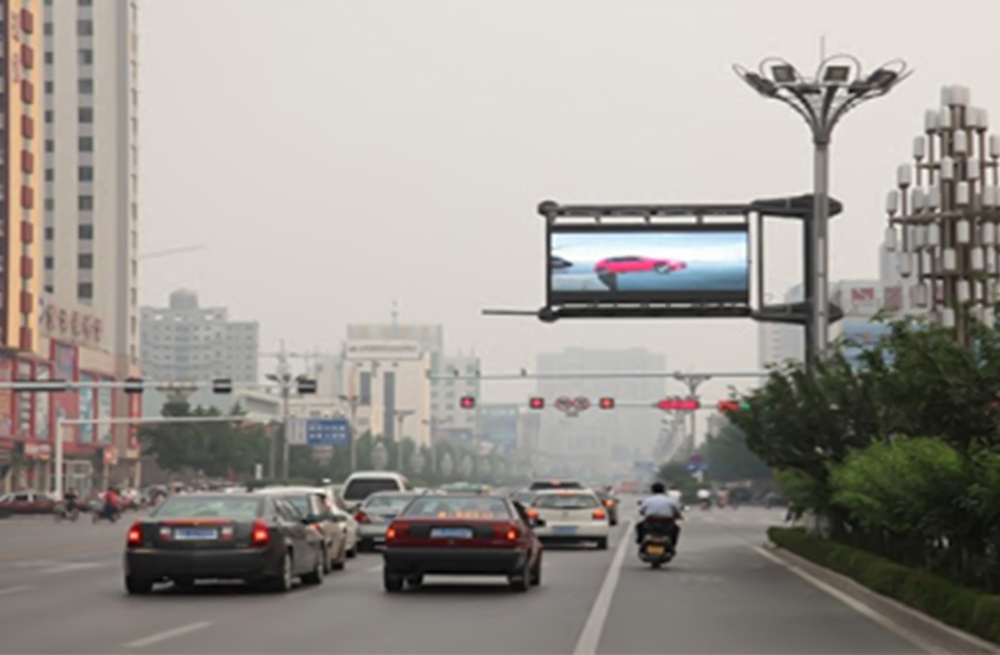
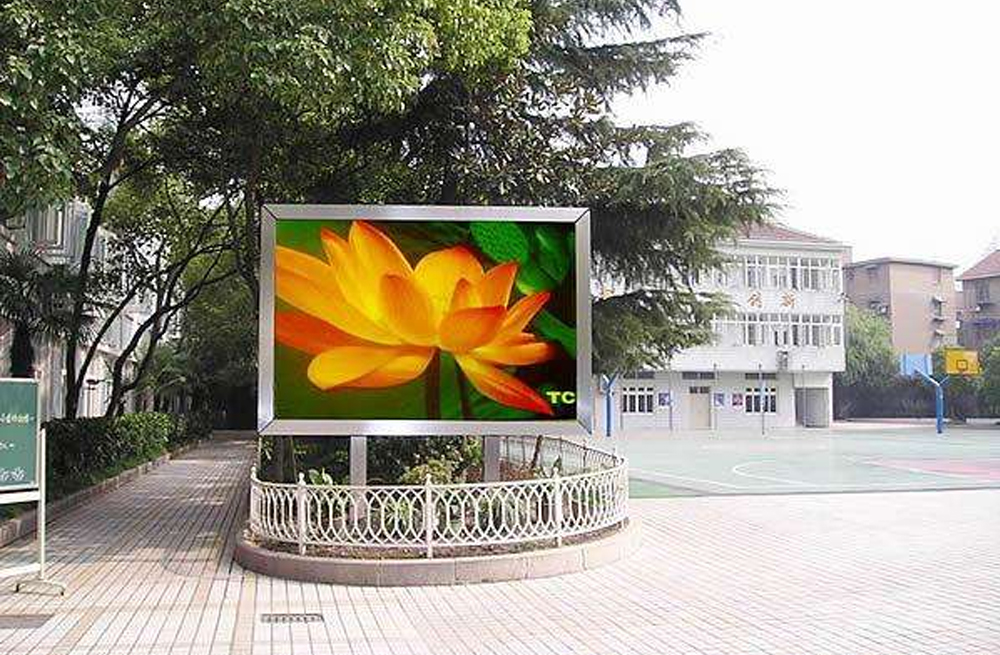
SMD LED display screens create smooth, high-resolution video walls by mounting compact red, green, and blue LED packages directly onto each module’s circuit board. Their fine pixel pitch, broad viewing angles, and consistent color make them a practical choice for control rooms, retail displays, corporate lobbies, studios, stages, and many outdoor digital signs.
A seamless display is not literally made from one piece. It is a modular LED wall whose cabinets are aligned and calibrated so that panel joints, brightness differences, and color shifts are difficult to notice at the intended viewing distance.
What Is an SMD LED Display Screen?
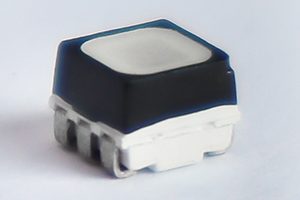
SMD stands for surface-mounted device. In an SMD LED package, the red, green, and blue light-emitting elements are usually integrated into one compact housing and soldered directly to the printed circuit board. Each package functions as a full-color pixel, and thousands of these pixels form an LED display module.
Because the package is small, manufacturers can place pixels closer together than is practical with many traditional DIP designs. That enables finer pixel pitches and higher image detail. SMD technology was first widely associated with indoor LED displays, but suitable outdoor SMD products now use protected modules, coated boards, sealed cabinets, and brightness levels designed for exterior environments.
Quick Answer: Why Choose SMD for a Seamless LED Display?
- Fine pixel pitch: More pixels fit into a smaller area, producing sharper text and detailed images.
- Wide viewing angles: Content remains readable from positions away from the center line.
- Better visual uniformity: Matched LEDs and calibration help panels display consistent color and brightness.
- Smooth modular construction: Precisely aligned cabinets can create a near-seamless viewing surface.
- Flexible sizing: Modules and cabinets can be combined for many aspect ratios and installation spaces.
- Serviceable design: Individual modules, power supplies, receiving cards, and other components can be replaced.
- Broad application range: Indoor and purpose-built outdoor options cover both close-viewing and long-distance projects.
7 Benefits of SMD LED Display Screens
1. Fine Pixel Pitch and High Image Detail
Pixel pitch is the center-to-center distance between adjacent pixels, measured in millimeters. A smaller pitch places more pixels in the same display area. SMD packaging supports close pixel spacing, which helps an LED wall reproduce small text, product images, dashboards, and detailed video more clearly.
The best pitch depends on viewing distance, content, screen size, and budget. A very fine pitch is valuable for viewers standing close to the screen, while a larger pitch may be more economical for signs viewed from farther away.
2. Wide Horizontal and Vertical Viewing Angles
SMD LEDs distribute light across a broad field of view. Many products specify viewing angles around 140 to 160 degrees, although the exact figure varies by LED package, mask, cabinet design, and manufacturer. This is useful in shopping centers, exhibition halls, meeting rooms, stages, and public spaces where viewers approach from different directions.
A wide angle alone does not guarantee a good result. Uniform calibration and correct brightness settings are also necessary to prevent visible color or intensity changes between modules.
3. Consistent Color and Brightness
Quality SMD displays use carefully selected LED batches plus module-level or pixel-level calibration. Together, these measures reduce visible differences in red, green, and blue output across the screen. The result is more even white balance, smoother gradients, and fewer distracting bright or dark patches.
Uniformity should be evaluated across the complete wall, not only on a single module. Ask the supplier how replacement modules are matched after installation and whether calibration data can be restored after servicing.
4. Near-Seamless Modular Images
LCD video walls have physical bezels between panels. An LED wall uses edge-to-edge modules, so a correctly installed system can show one continuous image without a black bezel grid. Precision cabinet manufacturing, a flat supporting structure, careful module alignment, and final calibration are the main factors behind seamless display quality.
If lines remain visible, the cause may be cabinet misalignment, inconsistent module brightness, damaged masks, or mismatched replacement batches rather than the SMD technology itself.
5. Flexible Screen Sizes and Shapes
LED modules can be assembled into standard 16:9 screens, extra-wide banners, tall portrait displays, columns, corners, and selected curved structures. This flexibility allows designers to fit the display to the venue instead of choosing from a small set of fixed panel sizes.
Non-standard shapes require careful content mapping, structural engineering, signal distribution, and maintenance access. Confirm the final pixel resolution before producing content so text and graphics render at the correct scale.
6. Modular Maintenance and Long-Term Serviceability
An LED display is built from replaceable parts. Depending on the cabinet, technicians may service LED modules, receiving cards, hub boards, power supplies, and cables from the front or rear. This can shorten repair time and avoids replacing the entire screen when one component fails.
For long-term color consistency, keep compatible spare modules from the original production batch. Also document calibration files, cabinet addresses, receiving-card configurations, and cable routes.
7. Efficient Brightness Control for Different Environments
SMD displays can provide strong brightness while allowing scheduled or sensor-based adjustment. Reducing brightness indoors or at night improves viewing comfort and can lower power use. Outdoor screens should be bright enough for ambient light but should not run at maximum output when conditions do not require it.
Actual efficiency depends on content, brightness, power-supply efficiency, scan design, cooling, and operating schedule. Compare typical power consumption as well as maximum consumption when planning electrical capacity and operating costs.
SMD vs. DIP vs. COB LED Displays
| Technology | Typical Strengths | Common Trade-Offs | Best-Fit Uses |
|---|---|---|---|
| SMD | Fine pixel pitch, wide viewing angle, mature supply chain, broad indoor and outdoor selection | Exposed packages can require extra protection in demanding environments | Indoor video walls, retail, events, studios, control rooms, many digital signs |
| DIP | High brightness and robust individual LED lamps | Larger package size generally limits very fine pixel pitch and close viewing | Long-distance outdoor signage and high-brightness applications |
| COB | Very fine pitch, protected light-emitting surface, strong resistance to impact and dust | Higher cost in many projects and different repair or color-matching requirements | Premium close-viewing displays, meeting rooms, studios, and control rooms |
These are general tendencies, not universal specifications. Compare actual datasheets, samples, warranties, and service plans for the products under consideration.
How to Choose an SMD LED Display
- Start with viewing distance. Use the closest expected viewer position to narrow the pixel-pitch range.
- Define the environment. Indoor and outdoor screens require different brightness, ingress protection, cooling, and structural designs.
- Confirm total resolution. Calculate native width and height in pixels, not only physical dimensions.
- Check refresh rate and camera use. Broadcast, virtual production, and live-event projects may need higher refresh rates and appropriate scan settings to reduce visible scan lines on camera.
- Evaluate uniformity. Review white, gray, red, green, and blue test images on a complete assembled wall.
- Plan service access. Choose front or rear maintenance based on the installation space.
- Match the control system. Confirm that sending devices, receiving cards, processors, and software support the full resolution, frame rate, color depth, and redundancy plan. You can compare compatible options in our NovaStar product range.
- Budget for spares. Include modules, receiving cards, power supplies, and cables from the same project batch.
Where SMD LED Screens Work Best
SMD technology is especially effective where viewers need a continuous image and may stand relatively close to the screen. Common applications include:
- Corporate meeting rooms and command centers
- Retail stores, shopping malls, and showrooms
- Broadcast studios and virtual production spaces
- Museums, visitor centers, and exhibitions
- Concert stages, rental events, and houses of worship
- Airports, stations, and other information displays
- Weather-rated outdoor advertising and venue screens
Browse our indoor LED display screens to compare formats intended for close-viewing installations.
Frequently Asked Questions
What makes an LED display look seamless?
A screen looks seamless when cabinet gaps are minimal and the modules share consistent brightness, color, and flatness. Precise installation and calibration matter as much as the LED package itself.
Is an SMD LED screen suitable for outdoor use?
Yes, if the complete display is engineered for outdoor operation. Check its ingress-protection rating, brightness, corrosion resistance, temperature range, drainage, cabinet sealing, and wind-load design. An indoor SMD module should not be installed outdoors simply because the LEDs are bright enough.
What viewing angle can an SMD LED display provide?
Many SMD LED displays specify horizontal and vertical viewing angles between approximately 140 and 160 degrees. Always verify the exact product specification because masks, packages, and cabinet structures affect the result.
Does a smaller pixel pitch always mean a better screen?
No. A smaller pitch increases resolution at a given size, but it can also raise cost, processing requirements, power density, and maintenance demands. The best choice is the pitch that delivers the required detail at the actual viewing distance.
How long does an SMD LED display last?
Service life depends on LED quality, operating brightness, heat management, power stability, environment, maintenance, and daily operating hours. Compare manufacturer lifetime conditions rather than relying on one headline number, and run the display below unnecessary maximum brightness to reduce stress.
Conclusion
SMD LED display screens are a strong choice for seamless-looking video walls because they combine fine pixel pitch, wide viewing angles, consistent color, flexible sizing, and modular maintenance. The final image quality depends on the whole system: LED modules, cabinets, structure, controller, calibration, content, and operating settings.
For help matching screen size, pixel pitch, control equipment, and service access to your project, contact LEDControllerCard.com with the installation dimensions, viewing distance, environment, and required resolution.