A rental LED display is built for temporary events and repeated assembly, while a fixed LED display is engineered for long-term installation in one location. Rental systems prioritize portability, fast locking, and serviceability. Fixed systems prioritize structural stability, site integration, and efficient long-term operation.
The right choice depends on how often the screen will move, how long it will operate, the viewing environment, and the total cost across the project life. This guide compares the two options so you can specify the right LED screen with confidence.
Rental LED Display vs Fixed LED Display: Quick Comparison
| Factor | Rental LED Display | Fixed LED Display |
|---|---|---|
| Primary use | Concerts, exhibitions, conferences, weddings, touring shows, and temporary events | Retail stores, control rooms, corporate lobbies, stadiums, building facades, and permanent advertising |
| Installation | Fast assembly and dismantling with quick locks and standardized cabinets | Installed once on a dedicated wall, frame, or steel structure |
| Cabinet design | Lightweight die-cast aluminum, reinforced corners, handles, and alignment hardware | Steel, aluminum, or profile-based structures optimized for the site |
| Mobility | Designed for frequent transport and reconfiguration | Normally remains in one location |
| Maintenance | Fast module, power supply, and receiving-card replacement between events | Front or rear service access planned around the installation |
| Cost model | Higher cabinet and transport demands; cost is spread across multiple events | Higher site and structural costs upfront; optimized for long-term use |
| Typical priority | Speed, flexibility, portability, and resistance to handling | Reliability, visual integration, energy efficiency, and continuous operation |
What Is a Rental LED Display?
A rental LED display is a modular video wall designed to be installed, dismantled, transported, and reused. Event production companies commonly use rental screens for stages, trade shows, product launches, conferences, houses of worship, and live broadcasts.
Rental cabinets usually include quick-lock mechanisms, positioning pins, protective corners, carrying handles, and power/data connections that technicians can reach quickly. Many systems support both hanging and ground-stacked installation. The cabinet size and mounting system are standardized so crews can build different screen sizes from the same inventory.
What Is a Fixed LED Display?
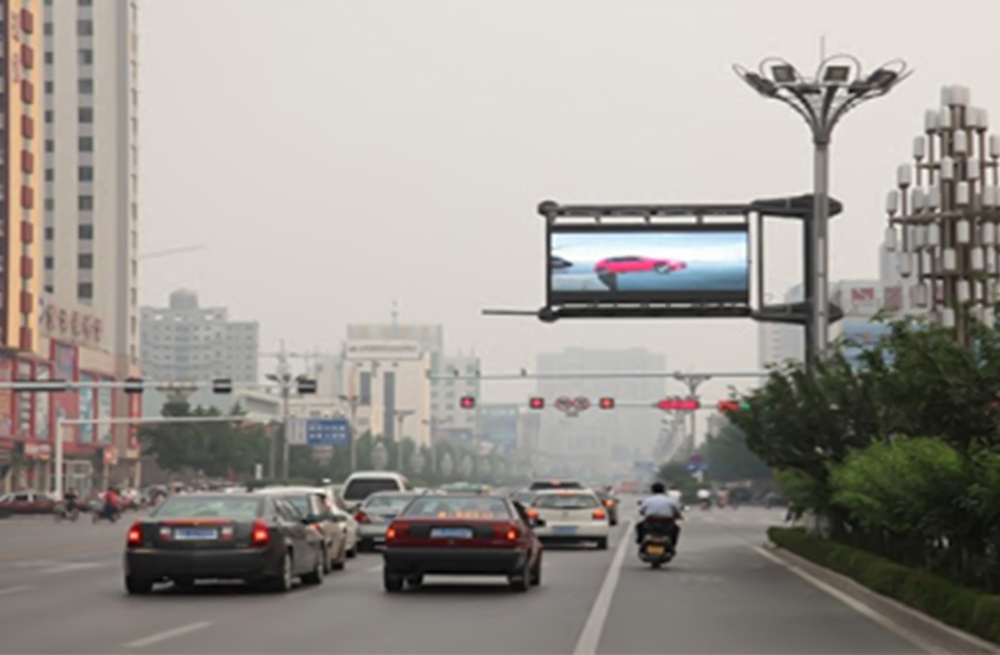
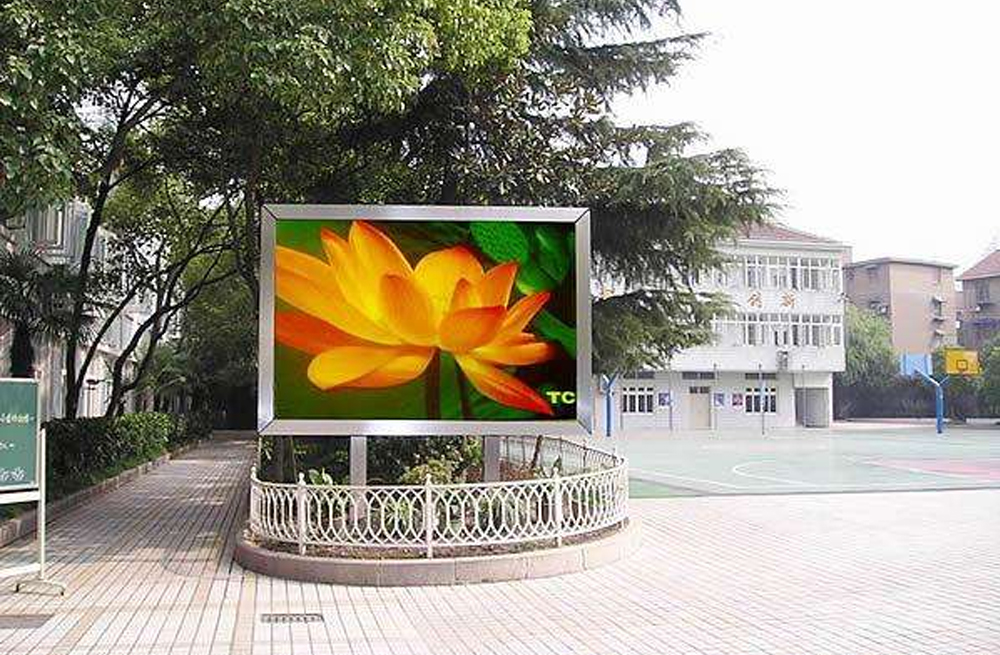
A fixed LED display is installed as a permanent or long-term part of a venue. Common examples include indoor retail video walls, shopping-mall displays, transportation information screens, command-center walls, roadside billboards, and building-mounted advertising screens.
The supporting structure, ventilation, electrical distribution, service access, and weather protection are designed around the installation site. Because the screen does not need to travel, the cabinet can prioritize stability, efficient space use, and long operating life over frequent handling.
7 Key Differences Between Rental and Fixed LED Screens
1. Installation and Dismantling
Rental displays must go together quickly and align accurately after repeated use. Quick locks reduce setup time, while positioning pins help maintain a flat screen surface. A fixed display uses a site-specific mounting frame and usually requires more work during the initial installation. Once commissioned, however, it stays in place.
2. Cabinet Construction and Weight
Rental LED cabinets are commonly made from die-cast aluminum because it combines low weight with dimensional accuracy. Lighter cabinets reduce labor and transport loads. Fixed installations can use aluminum profiles, sheet metal, or steel structures when weight and repeated handling are less critical.
3. Transport and Physical Protection
Transportation is part of a rental screen’s normal working life. Cabinets therefore need edge protection, robust connectors, and flight cases that limit shock and vibration. A fixed display avoids repeated transport but must withstand conditions at its location, such as dust, heat, moisture, or continuous public operation.
4. Service Access and Spare Parts
Rental technicians often need to replace an LED module, power supply, or receiving card before the next event. Tool-free or magnetic modules and accessible electronics reduce downtime. Fixed screens use front-service or rear-service designs according to wall depth, maintenance aisles, and access restrictions. In both cases, keep compatible spare modules and control-system parts available.
5. Screen Shape and Reconfiguration
A rental inventory can create different widths, heights, and aspect ratios for each event. Some product families also include curved locks or corner cabinets. A fixed screen is designed for one opening and one viewing geometry, which allows closer integration with architecture, signage, or interior finishes.
6. Cost and Total Cost of Ownership
Do not compare cabinet price alone. Rental projects also involve flight cases, transport, setup labor, inspection, repair, and spare inventory. Fixed projects may require a steel frame, power distribution, ventilation, waterproofing, permits, and long-term maintenance access.
A rental display is usually more economical when the same screen earns revenue across many short events. A fixed display is generally the better investment when the content must run continuously in one location. Calculate total cost over the expected service period, including energy, labor, spare parts, and downtime.
7. Indoor and Outdoor Requirements
Both rental and fixed displays can be built for indoor or outdoor use. Outdoor models need suitable ingress protection, brightness, corrosion resistance, thermal design, and wind-load engineering. Confirm the product’s tested IP rating and understand what each digit covers; the IEC overview of IP ratings explains the protection code.
Indoor applications usually prioritize close viewing distance, fine pixel pitch, low-noise operation, color performance, and brightness that suits ambient light. Do not assume that a high-brightness outdoor screen is appropriate indoors.
How to Choose the Right LED Display
Choose a rental LED display when most of these statements are true:
- The screen will move between venues.
- Fast setup and dismantling are essential.
- You need several screen sizes or configurations.
- Crews will handle the cabinets frequently.
- The system must support hanging, stacking, or touring workflows.
Choose a fixed LED display when most of these statements are true:
- The screen will remain in one location for years.
- The structure can be engineered for a defined wall or facade.
- Continuous operation and long-term efficiency matter most.
- Service access can be planned into the installation.
- The display must integrate with the building or interior design.
LED Display Specification Checklist
Before requesting a quotation, document the following project requirements:
- Application: event rental, retail, advertising, broadcast, control room, sports, or another use.
- Environment: indoor or outdoor, ambient light, temperature range, humidity, dust, and exposure to rain.
- Viewing distance: closest and typical audience distance, which helps determine pixel pitch.
- Screen size and resolution: physical dimensions, aspect ratio, and required pixel resolution.
- Mounting: hanging, ground stacking, wall mounting, facade mounting, or freestanding structure.
- Service access: front, rear, or both.
- Operating schedule: event hours, daily runtime, and expected service life.
- Content and inputs: video resolution, frame rate, cameras, media players, and redundancy needs.
- Power and control: local voltage, circuit capacity, cable routes, sending equipment, receiving cards, and backup strategy.
- Compliance: structural calculations, electrical rules, fire requirements, wind loads, and local permits.
Common Buying Mistakes to Avoid
- Choosing only by pixel pitch: image quality also depends on viewing distance, content, calibration, processing, and module quality.
- Ignoring service access: a screen that fits the wall may still be difficult or expensive to maintain.
- Comparing only purchase price: include structure, transport, labor, power, spares, and downtime.
- Using an indoor product outdoors: weather protection and structural engineering are project requirements, not optional accessories.
- Mixing incompatible batches: LED modules from different production batches can show visible color differences.
- Under-specifying the control system: confirm total pixel load, input formats, redundancy, scaling, and cable distance before ordering.
Frequently Asked Questions
Can a rental LED display be installed permanently?
It can operate in a long-term installation, but it may not be the most economical design. Quick locks, handles, and transport protection add value for mobile use. A fixed cabinet may provide better structural integration, cable management, and long-term cost for a permanent site.
Can a fixed LED display be used for events?
A fixed display can support an event at its installed venue, but fixed cabinets are not designed for repeated transport and assembly. For touring or changing venues, a rental system is safer and faster to deploy.
Is a rental LED display more expensive than a fixed display?
Rental cabinets often cost more per square meter because they use precision die-cast structures, quick locks, and handling protection. The final project cost depends on screen size, pixel pitch, control equipment, flight cases, structure, labor, and how often the system will be reused.
Do rental and fixed LED displays use different controllers?
Both can use similar sending devices, video processors, receiving cards, and calibration workflows. The correct controller depends on total resolution, input requirements, frame rate, color depth, redundancy, and operating workflow rather than the cabinet category alone.
Which LED display is better?
Neither type is universally better. Rental LED displays are better for mobile, temporary, and reconfigurable applications. Fixed LED displays are better for permanent installations that prioritize stability, site integration, and long-term operation.
Conclusion
The central difference is simple: rental LED displays are designed to move, while fixed LED displays are designed to stay. That single requirement changes the cabinet, locking system, structure, maintenance workflow, and cost model.
For temporary events, explore our outdoor rental LED screens. For permanent advertising and other projects, browse advertising LED display screens. You can also contact our team with your screen size, viewing distance, installation environment, and input requirements for a practical configuration recommendation.