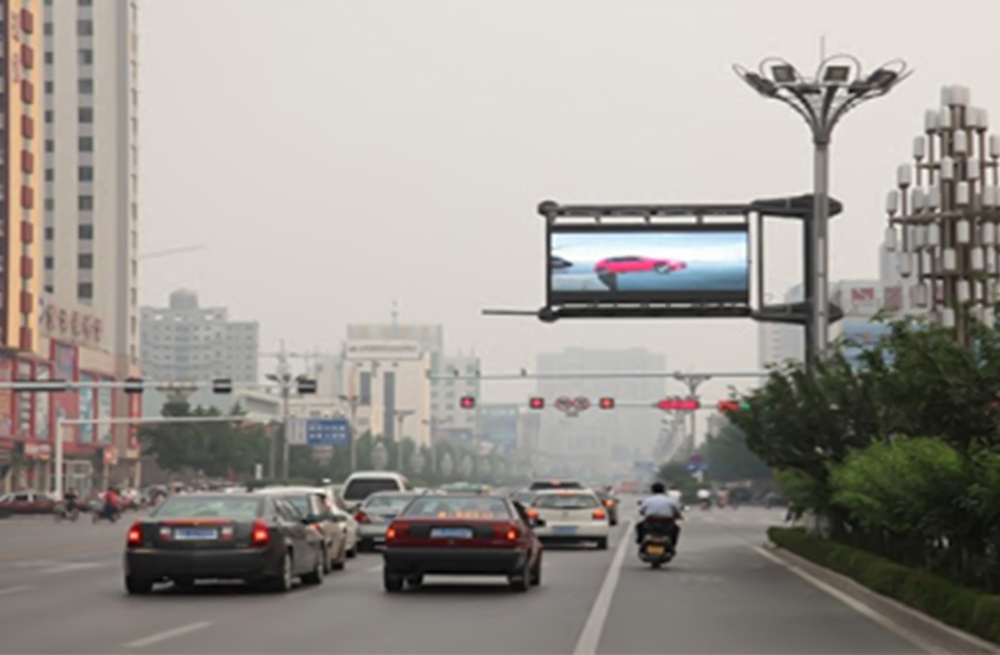
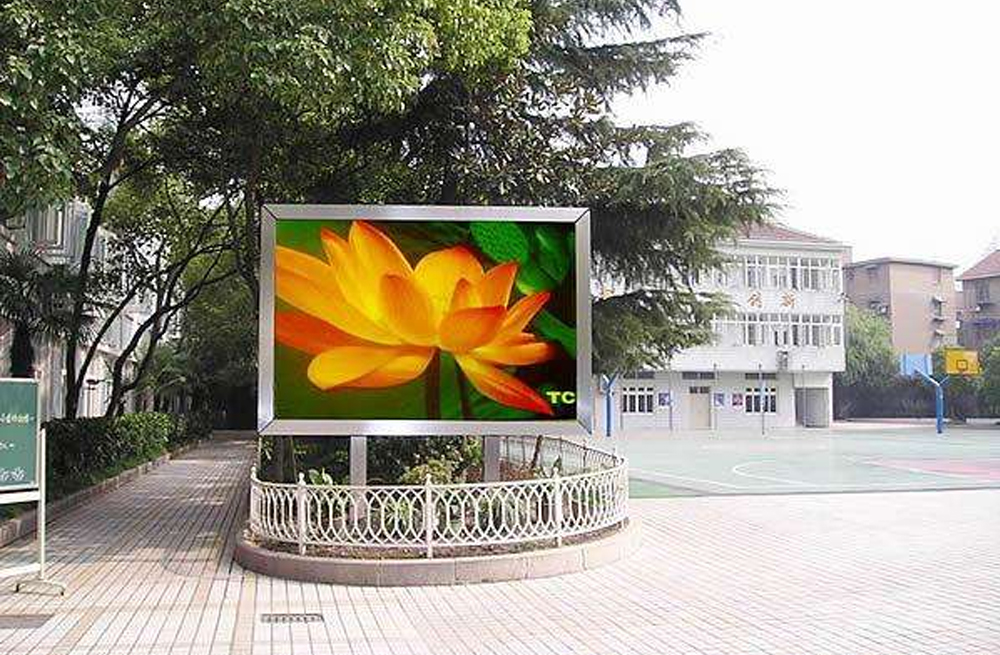
A shopping mall LED screen is a high-brightness digital display used to promote stores, guide visitors, broadcast events, and create immersive visual experiences. Unlike printed posters, it can show scheduled video, live information, and multiple campaigns on the same screen. For mall operators and retailers, that flexibility can turn entrances, atriums, storefronts, food courts, and outdoor facades into useful communication and advertising spaces.
This guide explains the main benefits and applications of LED screens for shopping malls, how they compare with LCD video walls, and what to consider before choosing a display.
What Is a Shopping Mall LED Screen?
A shopping mall LED screen is a modular display made from LED panels or cabinets. The modules join together to form a screen in almost any practical size or aspect ratio. A control system receives the video signal, maps it to the display, and manages brightness, color, scheduling, and playback.
Indoor screens are commonly installed in atriums, above escalators, behind stages, and inside retail storefronts. Outdoor-rated screens are used on building facades, entrances, plazas, and shopping streets. Both can display advertising, promotions, wayfinding, event content, public information, and brand campaigns.
Why Shopping Malls Use LED Screens
1. Dynamic advertising and faster campaign changes
Printed banners must be designed, produced, installed, and removed for every campaign. A mall LED display can switch between tenants, seasonal promotions, event notices, and public messages through a content schedule. This helps operators use one display for multiple campaigns throughout the day.
2. Strong visibility in large spaces
LED displays can be built at a scale that remains visible across a wide atrium or outdoor plaza. Appropriate brightness and pixel pitch help the content stay readable at the intended viewing distance. Motion also attracts attention in busy retail environments where static signs compete with storefronts and architecture.
3. More engaging visitor experiences
Video walls can support product launches, holiday themes, live broadcasts, interactive events, and digital art. When the screen content is coordinated with lighting, sound, or a stage, the display becomes part of the mall experience rather than just an advertising surface.
4. Centralized content control
A suitable LED video processor and control system can manage the image shown on a large display. Networked media players can also schedule content for multiple screens, helping a mall keep messaging consistent across entrances, directories, and common areas.
5. Reusable digital signage space
The same screen can serve different departments and tenants without replacing the physical display. A clear operating plan can allocate screen time for paid advertising, mall promotions, safety information, and community events.
Common Shopping Mall LED Screen Applications
| Location | Typical use | Key consideration |
|---|---|---|
| Atrium video wall | Brand campaigns, events, and digital art | Viewing distance, screen size, and structural load |
| Retail storefront | Product launches and in-store promotions | Fine pixel pitch and comfortable indoor brightness |
| Entrance or facade | High-visibility advertising and mall announcements | Weather protection, sunlight visibility, and local rules |
| Food court | Menus, promotions, and entertainment | Wide viewing angles and easy content updates |
| Escalator or corridor | Wayfinding and short promotional messages | Readability during brief viewing times |
| Event stage | Live video, presentations, and seasonal programs | Camera compatibility, refresh rate, and fast setup |
How to Choose an LED Screen for a Shopping Mall
Start with viewing distance and pixel pitch
Pixel pitch is the distance, in millimeters, between adjacent LED pixels. A smaller pitch produces a finer image at close range, while a larger pitch is often suitable when viewers are farther away. As a practical starting point, the pixel-pitch number in millimeters can be similar to the minimum comfortable viewing distance in meters, but content, screen size, budget, and installation conditions must also be evaluated.
- Close indoor viewing: Fine-pitch displays are suitable for storefronts, directories, and areas where visitors can approach the screen.
- Large indoor atriums: A moderate pitch can balance image detail, screen size, and cost.
- Outdoor facades: A larger pitch may be appropriate because the audience usually views the screen from farther away.
Match brightness to the environment
An indoor display should be bright enough to remain clear without becoming uncomfortable. Screens near glass entrances may need more output to compete with daylight. An outdoor shopping mall LED screen needs sufficient brightness for sunlight conditions plus automatic dimming for evenings. Brightness should be commissioned for the actual location, not simply set to the maximum value.
Choose the correct indoor or outdoor protection
Outdoor LED displays require weather-resistant cabinets, suitable ingress protection, safe power distribution, drainage planning, and corrosion-resistant hardware. Indoor displays usually prioritize slim cabinets, low noise, front maintenance, and close-viewing image quality. A semi-outdoor location under a canopy still requires a site-specific assessment.
Plan the screen size and aspect ratio around content
A 16:9 canvas is convenient for standard video, but architectural screens may use ultra-wide, vertical, curved, or custom shapes. Decide the content format before finalizing the cabinet layout. Otherwise, important text and products may be cropped or surrounded by unused space.
Specify the controller and signal path
The control system must support the screen’s total pixel load, input sources, resolution, redundancy needs, and required refresh rate. For multi-screen projects, confirm whether content will be mirrored, independently scheduled, or synchronized. The store’s ranges of LED receiving cards, processors, and related control hardware can support different system designs.
Consider maintenance before installation
Confirm whether modules, power supplies, and receiving cards will be serviced from the front or rear. Allow safe access for technicians and keep critical spare parts available. For a large commercial installation, power and signal redundancy can reduce the effect of a single component failure.
Shopping Mall LED Screen vs. LCD Video Wall
| Factor | LED screen | LCD video wall |
|---|---|---|
| Screen size and shape | Highly scalable and suitable for custom formats | Usually built from fixed-size panels |
| Visible seams | No panel bezels across the image | Narrow bezels remain visible between panels |
| Brightness | Options available for indoor and outdoor use | Most suitable for controlled indoor environments |
| Close-view detail | Depends strongly on pixel pitch | High detail at close range |
| Service | Individual modules and components can be replaced | Panel-level replacement may be required |
LED is often the better choice for large, bright, seamless, or custom-shaped installations. LCD can remain practical for smaller indoor applications viewed at very close range. The right choice depends on the audience distance, environment, content, and total lifecycle requirements.
Content Tips for Better Mall Display Results
- Use large text and one clear message per scene.
- Keep calls to action short enough to read while walking.
- Design content at the display’s native pixel dimensions.
- Use strong contrast and avoid thin fonts or crowded layouts.
- Schedule campaigns by time, location, audience, and event.
- Review brightness and color settings under real operating conditions.
- Track campaign dates, screen locations, and proof-of-play data when reporting is required.
Shopping Mall LED Display Planning Checklist
Before requesting a quotation, prepare the following project information:
- Installation location and indoor or outdoor conditions
- Approximate screen width and height
- Minimum and typical viewing distance
- Photos, drawings, or measurements of the installation area
- Required content resolution and input sources
- Front or rear maintenance preference
- Mounting structure, power availability, and cable routes
- Need for remote scheduling, backup signals, or live video
- Local permits, operating-hour limits, and brightness requirements
Frequently Asked Questions
Are LED screens worth it for shopping malls?
They can be valuable when a mall needs a large, frequently updated display for advertising, wayfinding, events, or tenant communication. The business case is strongest when the screen has a defined content plan, measurable campaign goals, and a location with consistent visitor visibility.
What is the best pixel pitch for a shopping mall LED screen?
There is no single best pitch. The correct choice depends mainly on the closest viewing distance, screen dimensions, content detail, and budget. Fine pitch is typically used for close indoor viewing, while larger pitches can work for distant atrium or outdoor audiences.
Can one system control several mall LED screens?
Yes. A networked control and content-management system can schedule multiple displays from a central location. The system design must account for the resolution of each screen, network reliability, independent or synchronized playback, and user permissions.
Can an indoor LED display be installed outdoors?
No. Outdoor screens require weather-resistant cabinets, appropriate brightness, protected electrical systems, and installation engineering for wind, heat, moisture, and drainage. An indoor display is not designed for those conditions.
What information does a supplier need for a quotation?
Provide the installation location, screen size, viewing distance, indoor or outdoor environment, mounting method, content sources, and maintenance requirements. Site photos and drawings help the supplier recommend a suitable pixel pitch, cabinet type, controller, and supporting hardware.
Build the Right LED Display System for Your Mall
A successful shopping mall LED display starts with the site and audience, not only the screen specification. Define where people will view it, what content it must show, how it will be serviced, and who will manage the schedule. EagerLED can help match the display, controller, processing, power, and spare-parts requirements to the project. Explore outdoor LED display screen options or contact the team with your project dimensions and viewing distance.