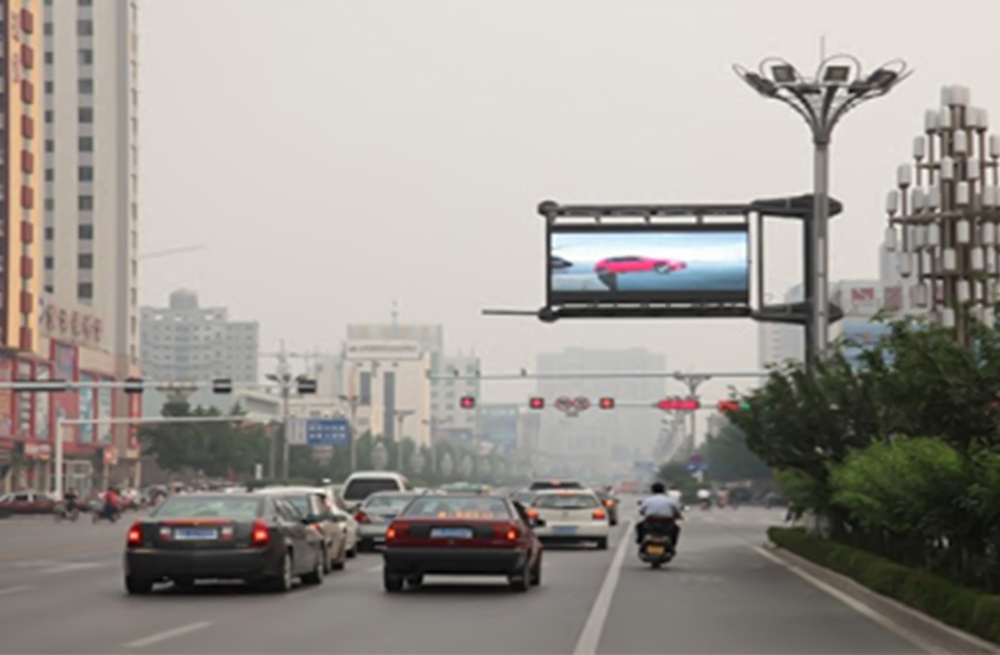
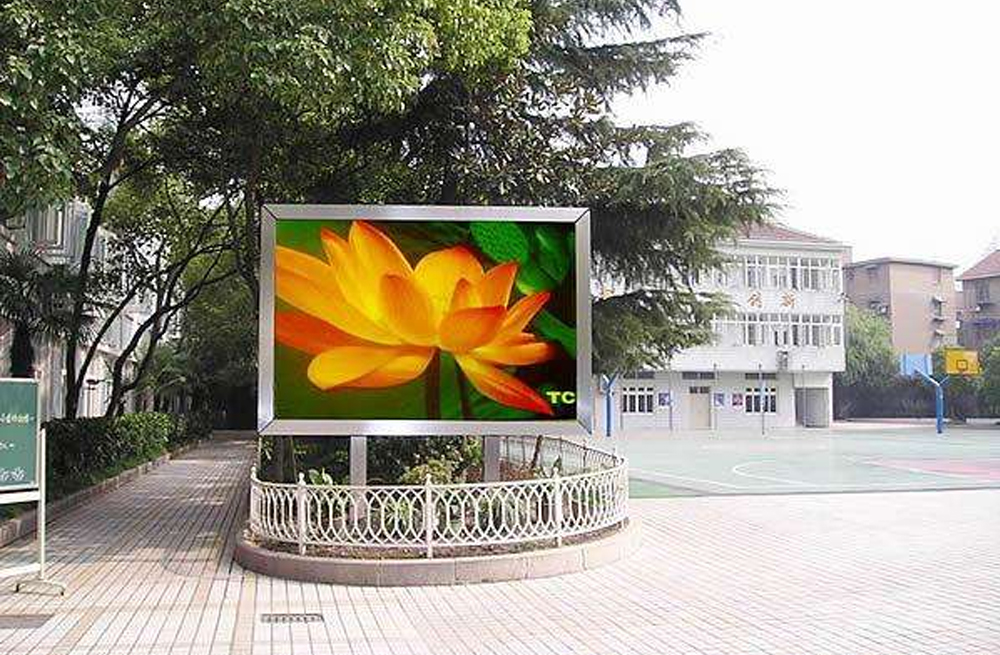
Quick answer: LED screen module technology is advancing through finer pixel pitch, more durable packaging, higher refresh rates, improved color processing, lower-power circuit designs, and smarter calibration. An LED screen module is a replaceable panel of LEDs, driver ICs, a printed circuit board, and power/data connectors that becomes part of a larger LED display. The best module is not simply the newest model; it is the one that matches viewing distance, installation environment, camera use, service access, controller compatibility, and total operating cost.
Key Takeaways
- Pixel pitch controls image detail and viewing distance. A smaller pitch can improve close-range clarity, but it increases pixel count, system load, heat density, and cost.
- SMD remains a versatile choice. IMD, GOB, and COB add options for finer pitches or greater surface protection.
- Image quality depends on the complete system. Driver ICs, receiving cards, calibration, power supplies, cabinet alignment, and video processing matter as much as the LEDs.
- Compatibility should be verified before purchase. Module size, mounting holes, scan mode, voltage, data interface, and configuration files are not automatically interchangeable.
- Choose for the application. An indoor control room, a rental stage, and a roadside billboard require different priorities.
What Is an LED Screen Module?
An LED screen module is the smallest practical service unit used to assemble an LED display. Multiple modules mount inside a cabinet or frame, while multiple cabinets create the complete screen. A typical module contains red, green, and blue LEDs; driver ICs; a PCB; power terminals; signal connectors; and a plastic or metal mounting structure.
The module determines pixel pitch, physical resolution, brightness potential, viewing angle, contrast, and part of the display’s reliability. The final result also depends on the LED receiving cards, power distribution, cabinet design, calibration, and video controller.
How LED Screen Module Technology Is Changing
1. Finer Pixel Pitch for Closer Viewing
Pixel pitch is the center-to-center distance between adjacent pixels, measured in millimeters. As pitch becomes smaller, more pixels fit into the same area. This makes fine text, dashboards, product images, and detailed video easier to view at short distances.
However, the smallest available pitch is not always the best specification. More pixels require more receiving-card capacity, processing bandwidth, power, calibration effort, and thermal management. Buyers should define the required screen size, viewing distance, source resolution, and budget before choosing pitch.
2. More Durable LED Packaging
Packaging technology affects surface strength, contrast, repair method, and achievable pixel pitch. The four terms buyers encounter most often are SMD, IMD, GOB, and COB.
| Technology | What It Means | Main Advantages | Points to Check |
|---|---|---|---|
| SMD | Individual packaged LEDs are mounted on the PCB. | Mature supply chain, broad pitch range, familiar repair process, and strong value. | Very fine-pitch products can be more vulnerable to surface impact. |
| IMD | Several pixels are integrated into one packaged device. | Supports fine pitch while improving handling strength compared with some conventional SMD designs. | Replacement method, package availability, and batch consistency vary by manufacturer. |
| GOB | A transparent protective resin is applied over a finished module. It is a protection process, not a separate LED chip type. | Better resistance to impact, dust, and moisture at the module surface. | Repairability, optical uniformity, coating quality, and heat behavior must be evaluated. |
| COB | LED chips are mounted directly to the board and encapsulated as a surface. | High surface protection, strong contrast potential, and suitability for very fine pixel pitches. | Module replacement cost, color consistency, service process, and supplier support are important. |
Important: MiniLED and MicroLED are used inconsistently across the market. Ask the supplier for the actual chip, package, pitch, encapsulation, and repair method instead of relying on the label alone.
3. Higher Refresh Rates and Better Low-Brightness Performance
Modern driver ICs can provide higher refresh rates, improved grayscale, and more stable low-brightness color. These features are especially important for broadcast studios, virtual production, live events, and any screen recorded by a camera. A high refresh-rate number alone does not guarantee clean footage; scan mode, shutter speed, grayscale behavior, controller settings, and camera tests all matter.
4. Improved Color Processing and Calibration
Current LED control systems can correct brightness and color differences between modules or cabinets. Calibration data helps a large screen appear uniform, but replacement modules must be matched and recalibrated. For color-critical projects, request test results for white balance, grayscale, low-brightness uniformity, and color consistency rather than judging only a full-brightness demo.
5. Lower Power and Smarter Thermal Design
Efficient LEDs, driver ICs, power supplies, and common-cathode designs can reduce wasted energy and heat when correctly engineered. Lower operating temperature can also support stability and component life. Compare power at the same brightness and content conditions; maximum power, typical power, and black-screen power describe different operating states.
6. Faster Maintenance and System Monitoring
Front-service magnetic modules, standardized cabinet wiring, and monitoring for temperature, voltage, fan status, or communication faults can reduce service time. These features are valuable in fixed installations where rear access is limited. Rental users may place more weight on corner protection, quick locks, reinforced connectors, and fast cabinet replacement.
How to Choose the Right LED Screen Module
1. Start With Viewing Distance and Content
A practical starting point is that the minimum comfortable viewing distance in meters is roughly similar to the pixel pitch in millimeters. For example, a P2 module is commonly considered for viewing from about 2 meters or farther. This is only a rule of thumb: small text, control-room data, camera use, and premium retail content may justify a finer pitch, while long-distance advertising may not.
2. Define Indoor or Outdoor Conditions
Outdoor modules need adequate weather protection, brightness, UV resistance, thermal design, and corrosion-resistant hardware. Indoor modules usually prioritize close-range image quality, lower brightness control, silence, and viewing comfort. Verify the IP rating of the complete installed cabinet, including the front, rear, seals, connectors, and ventilation design; a module rating alone does not describe the whole screen.
3. Match Brightness to Ambient Light
Excess brightness indoors can be uncomfortable and can reduce usable grayscale when dimmed poorly. Insufficient brightness outdoors can make content unreadable in direct sun. Specify the actual location, orientation, operating hours, and ambient light. Also ask how color and grayscale perform at the brightness level you will use every day.
4. Confirm Camera Requirements
For filmed stages, studios, houses of worship, and conference rooms, test with the intended camera, frame rate, shutter settings, and content. Look for scan lines, flicker, moire, color shift, and poor shadow detail. A sample cabinet test is more reliable than selecting from a single refresh-rate specification.
5. Plan Maintenance Before Installation
Choose front or rear service based on physical access. Confirm how modules, power supplies, receiving cards, and cables can be removed. Keep labeled spare modules from the same production batch and preserve the receiver configuration and calibration files.
Typical Starting Points by Application
| Application | Typical Pitch Range | Priorities |
|---|---|---|
| Control room or close-view indoor display | P0.9-P1.8 | Fine detail, low-brightness grayscale, uniformity, front service |
| Retail, showroom, or corporate lobby | P1.5-P3 | Image quality, viewing angle, quiet operation, appearance |
| Indoor rental or event screen | P2.6-P4.8 | Fast assembly, camera performance, durability, spare availability |
| Outdoor close-view signage | P2.9-P5.9 | Brightness, weather protection, contrast, thermal design |
| Large outdoor display viewed from a distance | P6-P10 or larger | Long-distance visibility, efficiency, serviceability, structural design |
These ranges are planning references, not fixed rules. Final pitch should be confirmed from content, screen dimensions, viewing distance, local conditions, and budget.
Compatibility Checklist Before You Buy
- Pixel pitch, module dimensions, physical resolution, and cabinet layout
- Mounting-hole pattern, magnets or screws, and front/rear service method
- Input voltage, connector type, polarity, and expected module current
- Scan mode, driver IC model, HUB board, and ribbon-cable pinout
- Receiving-card capacity and compatibility with the sender or video processor
- Refresh rate, grayscale, brightness, color temperature, and viewing angle
- Flatness, mask design, weather protection, and operating temperature
- Configuration files, calibration data, batch number, spare modules, and warranty support
When replacing an existing module, do not rely on pixel pitch alone. Two modules with the same pitch can use different dimensions, electrical interfaces, scan modes, driver ICs, or color characteristics. Compare the original label and technical drawings, then test one module before ordering a full batch.
Frequently Asked Questions
What is the difference between an LED module and an LED cabinet?
A module is a smaller replaceable display panel. A cabinet holds several modules together with receiving cards, power supplies, wiring, and a structural frame. Cabinets connect to form the complete LED screen.
Is COB always better than SMD?
No. COB can offer strong surface protection and fine-pitch performance, while SMD offers a mature repair process, broad availability, and good value. The better choice depends on pixel pitch, environment, service strategy, image requirements, and budget.
What pixel pitch should I choose?
Choose pitch from the closest viewing distance, screen size, content detail, source resolution, and budget. A pitch-to-distance ratio of about 1 millimeter to 1 meter is a useful first estimate, but close-view text and camera applications should be tested with sample content.
Can I mix LED modules from different batches?
Mixing batches is risky because LED wavelength, brightness, mask color, PCB design, and calibration may differ. Use matching spare modules when possible. If a different batch is unavoidable, verify electrical compatibility and recalibrate the repaired area.
What affects LED module service life?
Operating temperature, brightness level, power quality, moisture, dust, ventilation, component quality, and maintenance all affect service life. A realistic evaluation should include the complete display system and its operating environment, not only the LED manufacturer’s laboratory rating.
Which parts must work with the module?
The module must match the cabinet mechanics, power supplies, HUB board, receiving cards, sending device, and control software. You can compare related LED power supplies and LED video processors, but confirm the complete system design before ordering.
Final Recommendation
Begin with the application, not a technology label. Define viewing distance, screen dimensions, environment, content, camera requirements, service access, and budget. Then compare module samples under the brightness and content conditions you will actually use. A balanced, compatible system usually delivers better results than choosing the smallest pixel pitch or highest headline specification.
Explore indoor LED display screens and outdoor LED display screens, or contact us with your screen size, viewing distance, installation environment, and required resolution for a compatibility check.