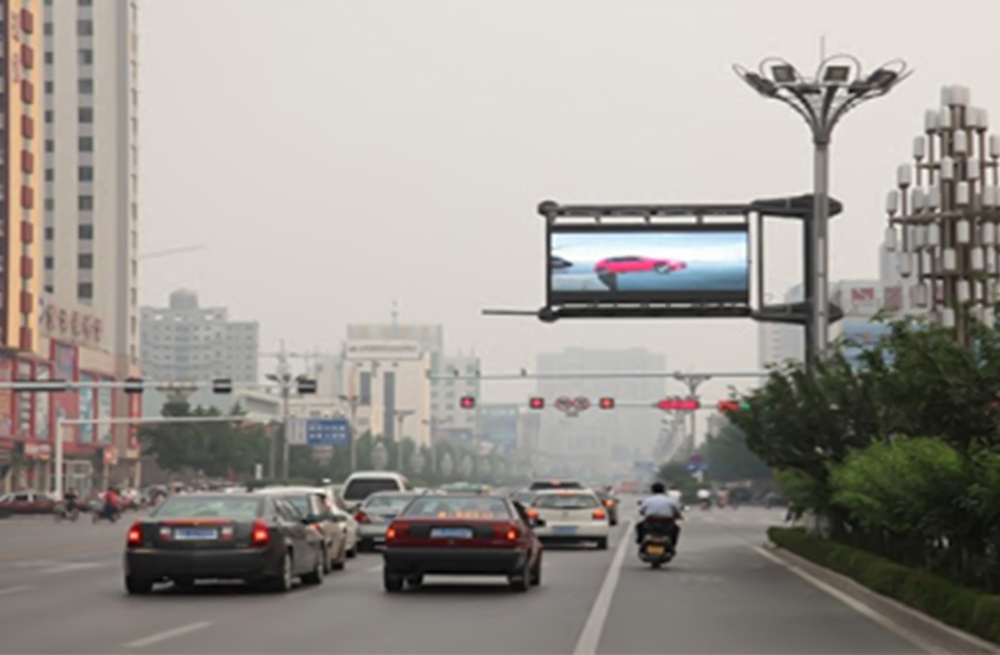
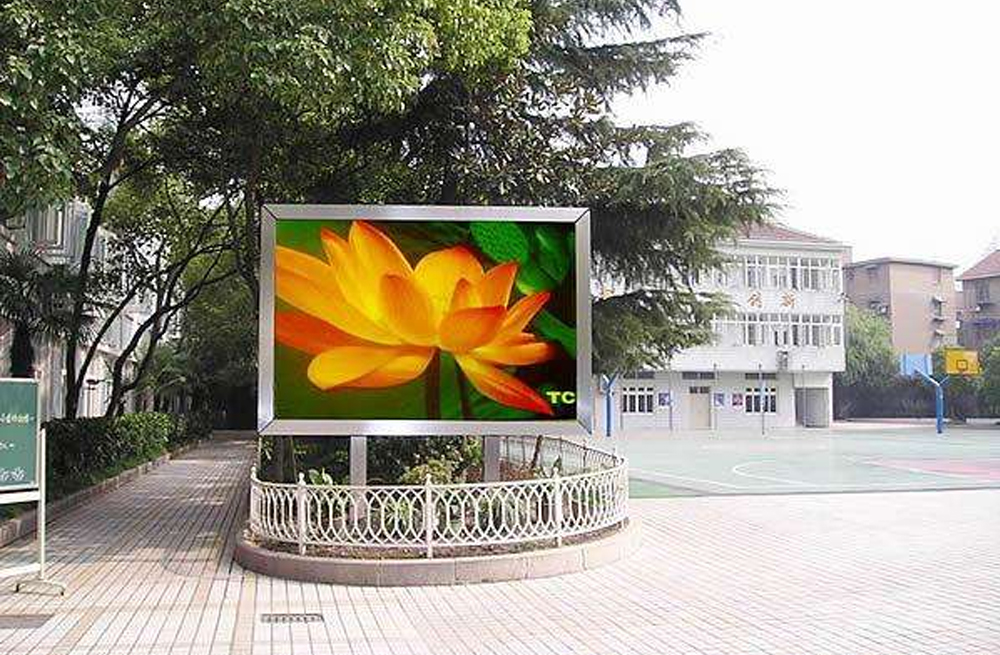
Quick answer: To use LED video walls for business marketing, start with a measurable goal, match the screen specifications to the location and viewing distance, and publish short, high-contrast content with one clear call to action. A well-planned LED video wall can attract attention, explain an offer quickly, support product launches, and guide customers toward a purchase or inquiry.
Unlike a single commercial display, an LED video wall can be built to fit a large or unusual space. It can also run scheduled content for different audiences, times of day, or campaigns. The results, however, depend on more than screen size. Location, pixel pitch, brightness, content design, playback hardware, and maintenance all affect whether the installation delivers useful business results.
How Can Businesses Use LED Video Walls for Marketing?
Businesses commonly use LED video walls to advertise products, introduce promotions, create branded environments, and share information in high-traffic spaces. Typical applications include:
- Retail: product launches, seasonal promotions, window displays, and in-store brand experiences.
- Corporate spaces: reception branding, live company updates, presentations, and data dashboards.
- Hotels and event venues: schedules, sponsor content, wayfinding, and live event visuals.
- Restaurants and entertainment venues: digital menus, promotions, live feeds, and atmosphere-setting content.
- Showrooms and trade shows: product demonstrations, customer stories, and large-format calls to action.
The best use case is the one tied to a specific outcome, such as increasing store visits, promoting a high-margin product, improving event navigation, or generating qualified inquiries.
3 Practical Tips for an Effective LED Video Wall
1. Plan the Space, Audience, and Display Specifications
Begin with the installation environment rather than choosing a screen based only on price or resolution. Record the closest and typical viewing distances, ambient light, available wall area, mounting access, ventilation, power supply, and whether the display will be indoors or outdoors.
| Decision | What to Check | Why It Matters |
|---|---|---|
| Pixel pitch | Closest expected viewing distance and the detail in the content | A finer pitch improves close-range detail but usually increases cost. |
| Brightness | Indoor lighting, window exposure, or direct sunlight | The image must remain readable without being uncomfortably bright. |
| Screen size and shape | Available area, sightlines, aspect ratio, and content format | The layout should be visible to the target audience without stretching or cropping content. |
| Service access | Front or rear maintenance space | Technicians need safe access to modules, power supplies, and receiving cards. |
| Environment | Temperature, moisture, dust, ventilation, and weather exposure | The cabinet and components must suit the operating conditions. |
For indoor advertising, review an indoor advertising LED display solution that fits the room and audience. For temporary campaigns, an indoor rental LED display can offer a more flexible setup.
2. Build a Reliable Display and Control System
A smooth LED wall depends on the complete signal chain, not only the LED modules. Confirm the source resolution, video processor capacity, sending and receiving card compatibility, maximum load, cable distances, refresh rate, calibration method, and backup plan before installation.
A video processor can scale and switch content sources, while LED receiving cards distribute image data to the display modules. These components should be specified for the wall’s total pixel count and required input sources. For business-critical displays, consider signal and power redundancy so that a single component failure does not interrupt the entire campaign.
- Use the wall’s native aspect ratio when preparing content.
- Calibrate color and brightness across cabinets for a uniform image.
- Test every input, playlist, transition, and scheduled campaign before launch.
- Document configuration files and keep approved backups.
- Plan routine inspection for modules, cables, cooling, and power supplies.
3. Design Marketing Content for Fast Understanding
People often see a commercial video wall while walking, shopping, or waiting. Make the message understandable in seconds. Use one main idea per scene, a short headline, strong contrast, large type, and a clear visual hierarchy. Place the most important information where it can be seen from the audience’s normal approach path.
Every campaign should also tell viewers what to do next. Depending on the location, the call to action might be “Visit Level 2,” “Scan for a Quote,” “See the New Model,” or “Order at the Counter.” Avoid long paragraphs, small disclaimers, rapid transitions, and visual effects that compete with the offer.
A Simple Video Wall Marketing Workflow
- Define one objective. Choose a measurable result such as visits, scans, inquiries, sales, or event registrations.
- Identify the audience. Note where viewers are, how far away they stand, and how long they can see the screen.
- Match the hardware to the location. Confirm pixel pitch, brightness, dimensions, mounting, power, control hardware, and service access.
- Create content for the exact canvas. Design at the correct resolution and aspect ratio instead of adapting a standard social media asset at the last minute.
- Schedule by context. Show relevant messages by time, event, audience, inventory, or campaign stage.
- Test from the viewing area. Check readability, color, motion, sound if used, and the call to action from realistic distances.
- Measure and improve. Compare campaigns and replace content that does not produce the intended action.
How to Measure LED Video Wall Advertising Results
Use a measurement method that connects the screen to an observable action. A unique QR code, landing page, promotion code, point-of-sale offer, or footfall counter can help separate video wall performance from other marketing activity. Track results by creative, time slot, and location instead of relying only on total plays.
- QR scans or visits to a campaign-specific landing page
- Inquiries, bookings, or purchases linked to a displayed offer
- Changes in foot traffic or dwell time near the display
- Sales lift for featured products during the campaign period
- Playback uptime and the number of technical interruptions
Review these measures regularly. Keep the strongest message, change weak creative, and adjust scheduling when different audiences respond at different times.
LED Video Wall Marketing FAQ
Are LED video walls effective for business advertising?
Yes, when the display is visible, the message is easy to understand, and the campaign has a measurable call to action. Screen size alone does not guarantee results; content relevance, placement, and reliable operation are equally important.
How do I choose the right pixel pitch?
Choose pixel pitch based mainly on the closest normal viewing distance and the detail viewers need to see. Close-range indoor applications generally benefit from a finer pitch, while longer viewing distances can use a larger pitch. Confirm the final choice with a qualified supplier using the actual site dimensions.
What content works best on a commercial video wall?
Short headlines, strong product visuals, simple motion, high contrast, and one clear call to action usually work best. Design specifically for the wall’s resolution, shape, viewing distance, and audience dwell time.
Can the same LED video wall be used indoors and outdoors?
Not automatically. Outdoor systems require suitable weather protection, brightness, cooling, structural design, and electrical protection. Select components and cabinets specifically rated for the installation environment.
What hardware is needed besides the LED modules?
A typical system includes power supplies, receiving cards, a sending controller or processor, cabling, mounting hardware, and a content source. The exact configuration depends on resolution, input sources, distance, redundancy requirements, and whether content must be scheduled remotely.
Plan Your Business LED Video Wall
A successful LED video wall combines the right location, compatible control hardware, readable content, and a clear measurement plan. EagerLED supplies LED display solutions and related components, including controller cards, sender cards, receiving cards, video processors, and power supplies. For help matching a system to your site and campaign, contact the LED Controller Card team or visit EagerLED for additional display solutions.