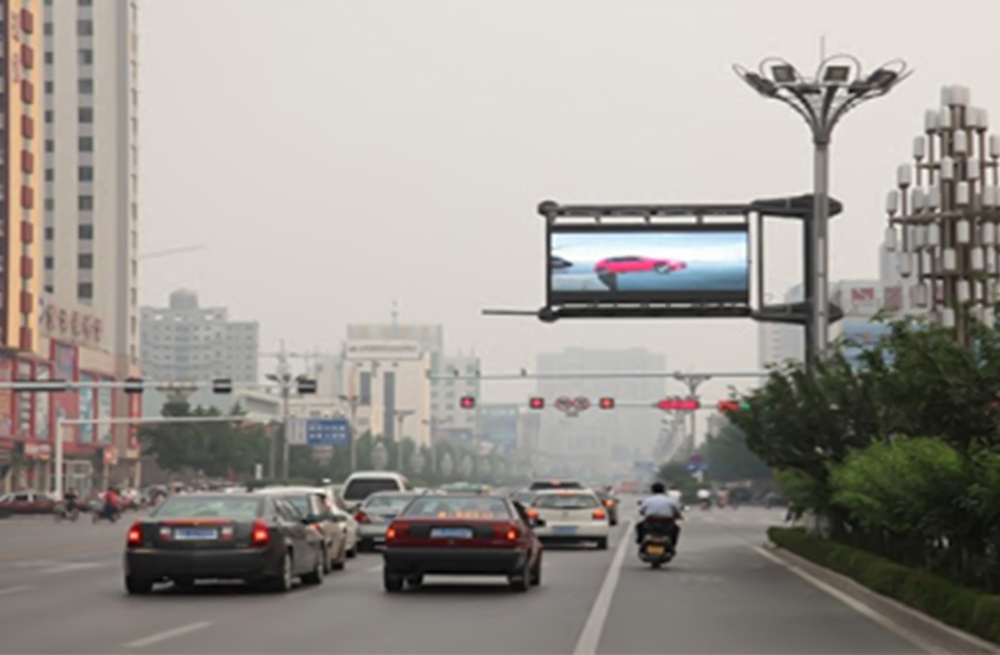
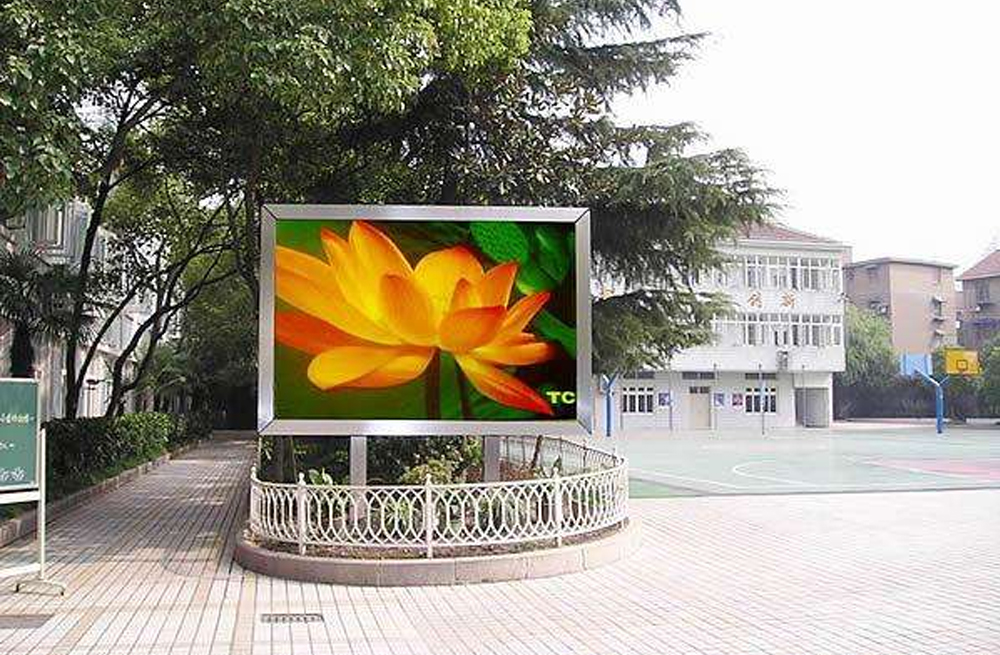
An LED advertising display is a digital screen that uses light-emitting diodes to present videos, images, prices, announcements, and branded messages. Unlike a printed sign, its content can be scheduled and updated without replacing the physical display. This makes LED screens especially useful for retail stores, shopping centers, events, transportation hubs, building facades, and roadside advertising.
Is an LED display the best advertising solution for every business? Not automatically. It becomes a strong investment when the screen has a clear audience, suitable viewing distance, readable content, and a realistic operating plan. The nine benefits below explain why businesses choose LED advertising and what to consider before buying a screen.
LED Advertising Display Benefits at a Glance
- High visibility: Bright, moving content can stand out in busy environments.
- Fast content updates: Campaigns, prices, and schedules can change without reprinting.
- Flexible formats: One screen can show images, video, animation, text, and live information.
- Reusable media space: The same display can support many campaigns over its service life.
- Indoor and outdoor options: Screen specifications can be matched to the venue.
- Centralized control: Authorized teams can manage content remotely through a controller and software.
- Scalable size: Modular cabinets and panels can create screens for different installations.
- Daypart scheduling: Messages can change by time, audience, or event.
- Measurable campaigns: Promotions can use QR codes, short URLs, coupon codes, or sales data for tracking.
1. High Visibility in Busy Locations
An advertising message only works when people notice and understand it. LED displays combine brightness, color, scale, and motion, helping a message compete with surrounding signs and visual distractions. Outdoor models are designed for higher ambient light, while indoor models can prioritize closer viewing and finer image detail.
Visibility still depends on execution. Large amounts of text, low contrast, and rapid scene changes make a screen difficult to read. A practical creative rule is to communicate one main idea per scene, use large type, and keep the call to action short.
2. Content Can Be Updated Quickly
Printed advertising requires a new design, production, shipping, and installation whenever the message changes. A marketing LED display separates the media hardware from the content. Once the system is installed, an authorized operator can upload new campaigns, correct a price, change operating hours, or react to an event through the display control system.
This flexibility is valuable for retailers with frequent promotions, venues with changing schedules, restaurants with time-based offers, and event organizers who need sponsor rotations or wayfinding updates.
3. One Screen Supports Multiple Media Formats
LED advertising screens can present static artwork, video, animation, countdowns, data feeds, and simple text announcements. A campaign can therefore move from awareness to action within the same content loop: introduce the product, show it in use, present an offer, and finish with a clear next step.
The content should always be designed for the screen’s aspect ratio and real viewing distance. Repurposing a detailed social-media graphic without adaptation often produces text that is too small to read.
4. Reusable Advertising Space Can Reduce Campaign Friction
The initial hardware, structure, installation, and control system can require a significant budget. However, the display can be reused for many campaigns. Businesses avoid manufacturing and replacing a physical sign for every content change, and a venue owner may also divide screen time among departments, tenants, event sponsors, or advertisers.
This does not mean that every LED display has a guaranteed return. The business case should include expected audience, useful screen life, content production, electricity, maintenance, connectivity, permits, and the value of the location.
5. Indoor and Outdoor Configurations Fit Different Venues
Indoor and outdoor LED displays solve different problems. Indoor screens are commonly viewed from shorter distances and may use a finer pixel pitch for detailed images. Outdoor screens generally need weather protection, sufficient brightness, durable cabinets, and a structure engineered for the installation environment.
| Factor | Indoor LED display | Outdoor LED display |
|---|---|---|
| Typical use | Retail, showrooms, stages, exhibitions, lobbies | Building facades, roadside signs, stadiums, outdoor events |
| Viewing environment | Controlled or moderate ambient light | Direct daylight and changing weather |
| Pixel pitch priority | Often finer for close viewing | Selected for longer viewing distance and budget |
| Protection priority | Safe mounting, ventilation, service access | Ingress protection, structure, drainage, cooling, service access |
| Content style | More detail may be visible | Large type, simple scenes, strong contrast |
6. Remote Management Simplifies Multi-Screen Campaigns
With a compatible sending device, receiving cards, media player, and content management platform, teams can schedule and distribute approved content without visiting each display. This is useful for store networks and venues that need consistent branding.
Remote operation should be treated as a managed system. Define who can publish, use secure account access, keep a backup playlist, monitor screen status, and document how to restore content if connectivity is interrupted.
7. Modular Hardware Enables Custom Sizes
Many LED screens are built from modules or cabinets that combine into a larger canvas. This makes it possible to plan a display around a wall, stage, storefront, or rental configuration instead of choosing only from fixed television sizes.
Pixel pitch is one of the most important choices. It describes the distance between adjacent pixels, usually in millimeters. A lower pitch supports a closer viewing distance but normally increases cost and system requirements. For example, a P3 LED video wall is intended for closer indoor viewing than a P10 RGB LED module, which is typically considered for longer-distance outdoor applications. The final choice should be based on actual viewing distance, dimensions, content, brightness, and budget rather than pitch alone.
8. Scheduled Content Makes Each Time Slot More Relevant
A digital billboard can change its message by time of day, event schedule, audience flow, or inventory priority. A shopping center might promote breakfast offers in the morning, entertainment in the afternoon, and dining in the evening. A trade-show screen can alternate product demonstrations, presentation times, and sponsor messages.
Plan the content loop around how long people actually see the display. Roadside viewers need an immediate, minimal message. People waiting in a lobby may have time for a longer sequence.
9. Digital Campaigns Are Easier to Test and Measure
An LED display does not measure results by itself, but digital content makes structured testing easier. Campaigns can rotate different headlines or offers and connect each version to a unique QR code, landing page, short URL, phone extension, or coupon code. Retailers can also compare promoted products with sales during the campaign period.
Use one primary conversion action per creative. If the audience cannot tell what to do next, additional animation will not improve the result.
How to Choose an LED Advertising Display
Start with the communication goal and installation site, then specify the hardware. Use this checklist when comparing options:
- Define the audience and objective. Decide whether the screen is for brand awareness, offers, information, wayfinding, or event content.
- Measure the viewing distance. This guides pixel pitch, screen dimensions, and content detail.
- Assess ambient light. Brightness requirements differ between a controlled indoor venue and an outdoor site.
- Confirm the installation environment. Consider weather, temperature, ventilation, dust, access, and structural loading.
- Plan service access. Determine whether modules and power components must be maintained from the front or rear.
- Choose a compatible control system. Confirm resolution capacity, inputs, media playback, scheduling, and remote management needs.
- Calculate total cost of ownership. Include mounting, cabling, power distribution, content creation, energy, spare parts, and maintenance.
- Check local requirements. Outdoor signs may require permits, brightness limits, operating-hour restrictions, and structural approval.
How to Estimate LED Advertising ROI
Use a measurable business outcome instead of relying only on estimated foot traffic. A simple planning model is:
Estimated campaign value = attributable gross profit + media revenue + avoided print replacement costs – campaign and operating costs.
Track a baseline before the display goes live. Then compare the same metric during a defined campaign period. Account for seasonality, discounts, and other marketing activity so that the screen is not credited for changes it did not cause.
Common Mistakes to Avoid
- Choosing pixel pitch without confirming the nearest normal viewing distance.
- Using indoor hardware in an outdoor or high-moisture environment.
- Buying a screen before planning content ownership and publishing workflow.
- Filling every scene with small text, multiple offers, and competing calls to action.
- Ignoring mounting, power, ventilation, spare parts, and maintenance access.
- Running excessive brightness at night or where it causes discomfort.
- Assuming the screen alone will improve sales without an offer and measurement plan.
Frequently Asked Questions
What is an LED advertising display?
It is a modular digital screen that uses LEDs to show promotional or informational content. Depending on the system, it can display images, video, animation, text, schedules, and selected live data.
Is an LED display better than an LCD video wall?
Neither technology is best for every installation. LED displays are well suited to large custom sizes, seamless modular layouts, high-brightness applications, and long viewing distances. LCD panels may suit smaller indoor installations where close-range detail and a lower initial cost are priorities. Compare viewing distance, brightness, dimensions, maintenance, and total cost.
What pixel pitch is best for advertising?
The best pitch depends mainly on the closest viewing distance, required image detail, screen size, and budget. Fine-pitch displays suit closer viewing; larger pitches can be appropriate when the audience is farther away. A site-specific recommendation is more reliable than choosing by a single universal rule.
Can LED advertising displays be used outdoors?
Yes, when the display, cabinet, structure, electrical system, and installation are designed for the local outdoor conditions. Weather protection, daylight visibility, cooling, drainage, service access, and local sign regulations should be evaluated before installation.
How often should LED advertising content change?
Change content when the offer, audience, schedule, or campaign goal changes. Within a playlist, scene duration should match the audience’s available viewing time. Short roadside messages need faster comprehension than content shown in a waiting area.
Are LED advertising displays energy efficient?
Energy use varies with screen size, brightness, content, hardware efficiency, and operating hours. Automatic brightness control, sensible schedules, efficient power supplies, and appropriate screen sizing can reduce unnecessary consumption. Ask suppliers for typical and maximum power figures for the proposed configuration.
Final Recommendation
An LED advertising display is most effective when it is treated as a complete communication system, not simply a bright screen. The right location, pixel pitch, brightness, control platform, content plan, and measurement method work together. Define those requirements first, then select the modules, cabinets, controller, power system, and service approach that support the campaign.
For a display project, prepare the venue dimensions, indoor or outdoor environment, nearest and farthest viewing distances, target resolution, content sources, and maintenance preference before requesting a quotation. This information makes product recommendations and system design more accurate.