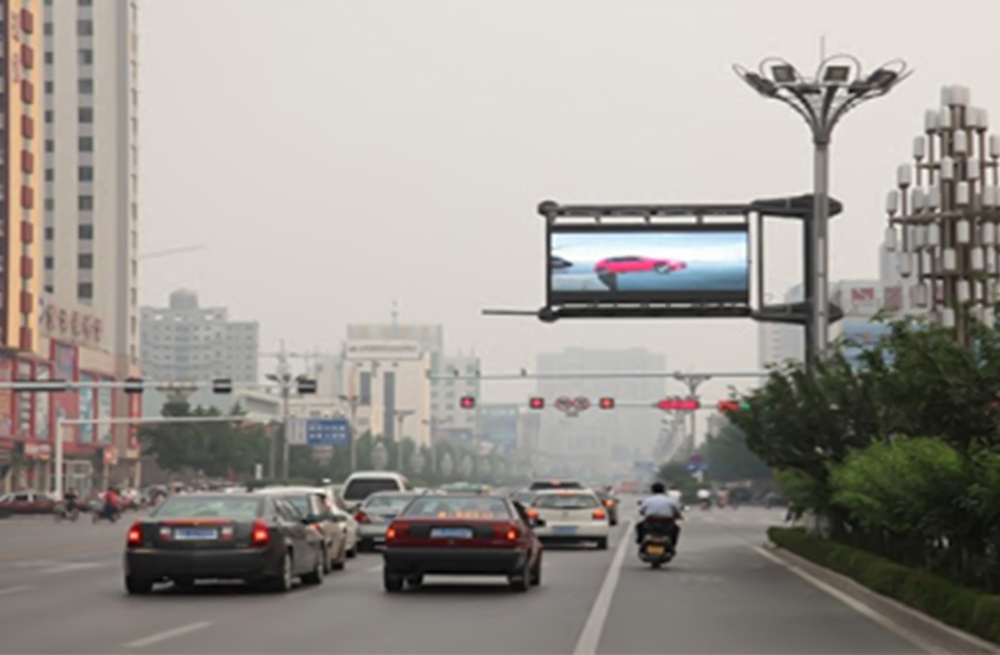
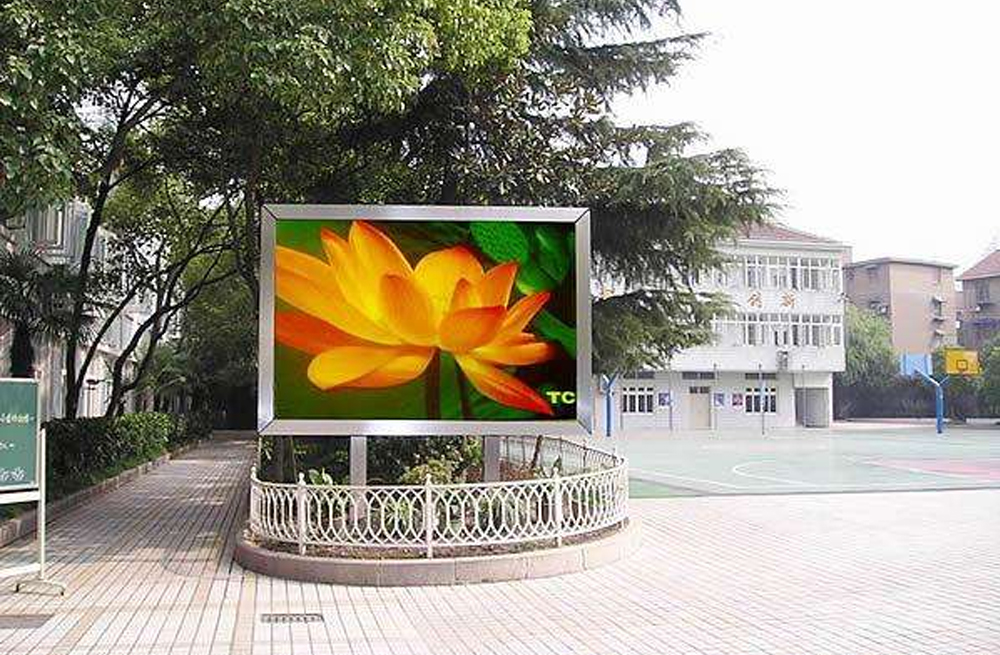
Large LED screens for events help every attendee see live action, presentations, schedules and sponsor messages clearly, even across a large outdoor venue. Unlike consumer TVs or projection systems, purpose-built outdoor LED displays are bright, modular and designed for demanding event environments.
This guide explains the main benefits of large event LED screens, where they work best, how they compare with LCD and projection, and which specifications to check before buying or renting a system.
What Is a Large LED Screen for Events?
A large event LED screen is a modular video wall made from LED cabinets or panels. Multiple cabinets connect to form the required size and aspect ratio, while an LED video processor scales and switches content from cameras, laptops, media players or broadcast systems.
Outdoor models use high-brightness LEDs and weather-resistant cabinets. Rental models are built for repeated assembly and transport, while fixed-installation models are optimized for long-term mounting. The right choice depends on viewing distance, ambient light, camera use, venue conditions and installation time.
8 Benefits of Large LED Screens for Events
1. Clear visibility in daylight
Outdoor LED displays produce their own light, so they remain visible in bright conditions where projection can look washed out. Many outdoor systems are specified in the approximate 5,000 to 10,000 nit range, although the correct brightness depends on screen orientation, time of day and local conditions. Automatic brightness control can reduce glare and power use after sunset.
2. A clear view for large audiences
A properly sized screen gives people at the back of a venue a useful view of speakers, performers, scores and presentations. This is especially important at concerts, festivals, sports events, ceremonies and public gatherings where the audience extends far beyond the main stage.
3. Flexible size and shape
Because the display is modular, organizers can build a screen for the stage, create two side screens for image magnification, or arrange several displays around a venue. Standard 16:9 canvases simplify video playback, while custom dimensions can match stage scenery or sponsor layouts.
4. Real-time content from multiple sources
Large LED screens can show live camera feeds, presentations, social content, scoreboards, wayfinding and emergency messages. A suitable controller or video processor can switch between sources, create picture-in-picture layouts and keep output matched to the screen resolution.
5. Stronger audience engagement
Close-ups, instant replays, live polling, social feeds and animated graphics help the audience follow what is happening. The display becomes a shared focal point instead of a passive backdrop, which can improve attention during both entertainment and corporate sessions.
6. Sponsor and advertising value
One display can rotate sponsor logos, branded videos, calls to action and event announcements without printing new signage. Organizers can schedule placements by time or program segment, giving sponsors visible inventory that is easier to update and measure.
7. Weather-ready construction
A true outdoor LED screen uses sealed modules, protected power and data connections, and cabinets designed for wind, heat and moisture. Do not rely on the word outdoor alone: confirm the front and rear ingress-protection ratings, operating temperature range, structural plan and wind-load requirements for the actual venue.
8. Fast setup and repeat use
Rental LED cabinets commonly use quick locks, alignment features and standardized cabling. An experienced crew can assemble, test and dismantle a large screen efficiently. The same inventory can then be reconfigured for future events, improving utilization for rental companies and production teams.
Where Are Large Event LED Screens Used?
- Concerts and festivals: live camera feeds, performer close-ups, schedules and sponsor content.
- Sports events: scores, replays, timing data, advertising and crowd prompts.
- Corporate events: presentations, remote speakers, product launches and brand media.
- Public gatherings: speeches, public information, wayfinding and safety notices.
- Exhibitions and brand activations: high-impact product video and interactive content.
- Outdoor cinema and viewing parties: shared video playback for large audiences.
How to Choose a Large LED Screen for an Event
| Specification | Why It Matters | What to Check |
|---|---|---|
| Pixel pitch | Controls image detail at close range | Use a smaller pitch for closer viewers; larger pitches can suit longer viewing distances |
| Brightness | Keeps content readable in ambient light | Confirm measured brightness for the screen orientation and event schedule |
| Screen size and resolution | Determines visibility and content sharpness | Calculate physical dimensions, native pixel resolution and aspect ratio together |
| Weather protection | Protects the display outdoors | Verify front and rear IP ratings, drainage, temperature limits and covered connections |
| Refresh rate | Affects camera images and visual smoothness | For broadcast or close camera work, request a camera-friendly high-refresh configuration |
| Viewing angle | Affects side seating | Match the panel viewing angle and screen placement to the audience footprint |
| Service access | Reduces repair time | Choose front or rear maintenance to suit the mounting structure and available space |
| Control and redundancy | Protects show continuity | Confirm signal capacity, backup sources, spare modules and power/data redundancy |
Start with viewing distance and audience layout
The nearest viewer is the most important reference for pixel pitch. A smaller pitch produces a smoother image at close range but costs more and increases the total pixel load. For distant audiences, a larger pitch may deliver the required visual result more economically. The screen should also be high enough to clear heads and obstacles without forcing viewers into an uncomfortable angle.
Calculate the complete signal path
Do not select cabinets in isolation. Confirm the screen’s total pixel width and height, then make sure the sending device, receiving cards, processor and cabling support that load. Plan how cameras, presentation laptops, playback systems and backup sources will connect before the event.
Plan for structure, power and safety
A large screen is a structural installation, not just a video device. A qualified provider should assess ground support or hanging points, ballast, wind exposure, power distribution, cable routing and emergency procedures. Local permits and engineering requirements take priority over a generic screen-size recommendation.
LED vs. LCD vs. Projection for Outdoor Events
| Display Type | Best Fit | Main Limitation |
|---|---|---|
| Outdoor LED screen | Large audiences, daylight, scalable stages and repeated event use | Requires professional structure, power, processing and setup |
| LCD video wall | Smaller covered areas and close viewing | Visible bezels and limited practical scale; most panels are not outdoor-rated |
| Projection | Dark or controlled-light environments | Image contrast falls quickly in daylight and the projection path must remain clear |
For a large open-air audience, LED is usually the practical choice because it combines brightness, scale and flexible configuration. LCD can work for smaller covered spaces, while projection is strongest after dark or indoors with controlled lighting.
Event LED Screen Planning Checklist
- Define the nearest and farthest viewing distances.
- Estimate audience width, depth and major sightline obstructions.
- Confirm screen dimensions, aspect ratio and native resolution.
- Check daylight direction and required operating brightness.
- List every video source, format, connector and backup source.
- Confirm camera-friendly refresh settings when the screen will be filmed.
- Plan power distribution, grounding, signal routing and cable protection.
- Verify outdoor protection, wind plan, rigging or ground support and permits.
- Prepare spare modules, power supplies, receiving cards and essential cables.
- Allow time for assembly, calibration, rehearsal and content testing.
Frequently Asked Questions
What size LED screen is best for an event?
There is no universal size. The best screen is determined by audience distance and width, content type, stage proportions, mounting height and budget. A wide audience may need two side screens rather than one extremely large center screen.
What pixel pitch should I choose for an outdoor event?
Choose pixel pitch from the closest expected viewing distance and the level of detail in the content. Smaller pixel pitches suit close viewing and fine text; larger pitches can be cost-effective when the audience is farther away. Ask the supplier to demonstrate the proposed pitch at a comparable distance.
How bright should an outdoor event LED screen be?
The required brightness depends on direct sun, screen orientation, shade and operating time. Many outdoor screens fall within a broad 5,000 to 10,000 nit class, but more brightness is not always better. The screen should be readable without causing glare, and brightness should be reduced at night.
Can an outdoor LED screen operate in rain?
A properly rated and correctly installed outdoor system can operate in rain within its specified limits. Confirm cabinet and connector ratings, protect power distribution, follow the manufacturer’s operating guidance and stop operation when weather exceeds the engineered plan.
Is LED or LCD better for outdoor events?
LED is generally better for large outdoor events because it is brighter, scalable and available in weather-resistant configurations. LCD is better suited to smaller, covered viewing areas where close-range image detail matters more than size or daylight visibility.
Build a Reliable Screen System for Your Next Event
A successful event screen combines the correct LED cabinets with suitable control, processing, power, structure and on-site support. Explore our outdoor LED display screens, compare compatible LED video processors, or contact the EagerLED team with your venue size, viewing distance and content requirements.