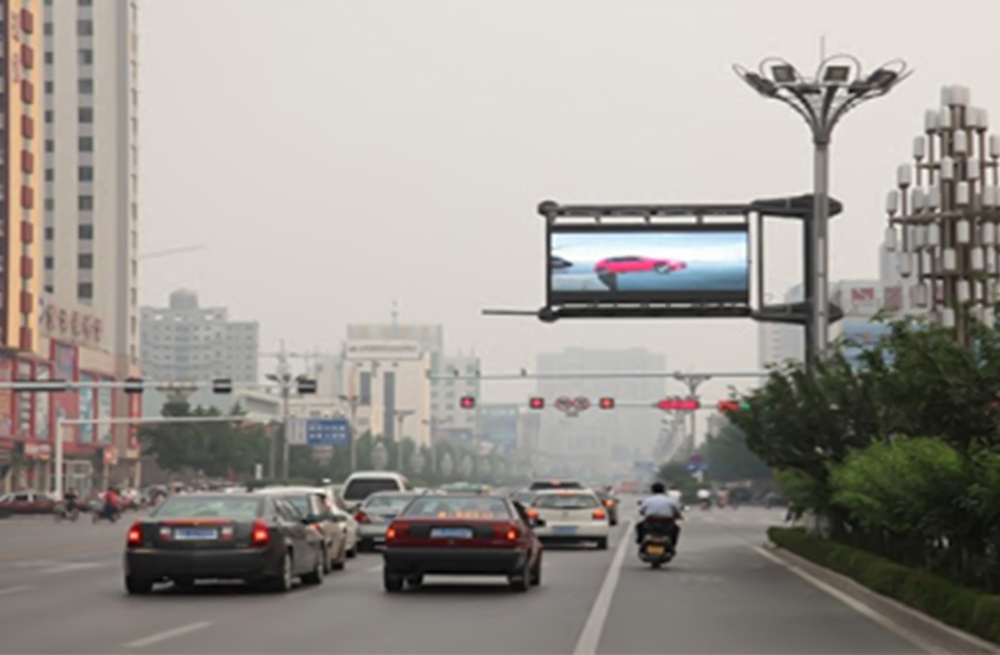
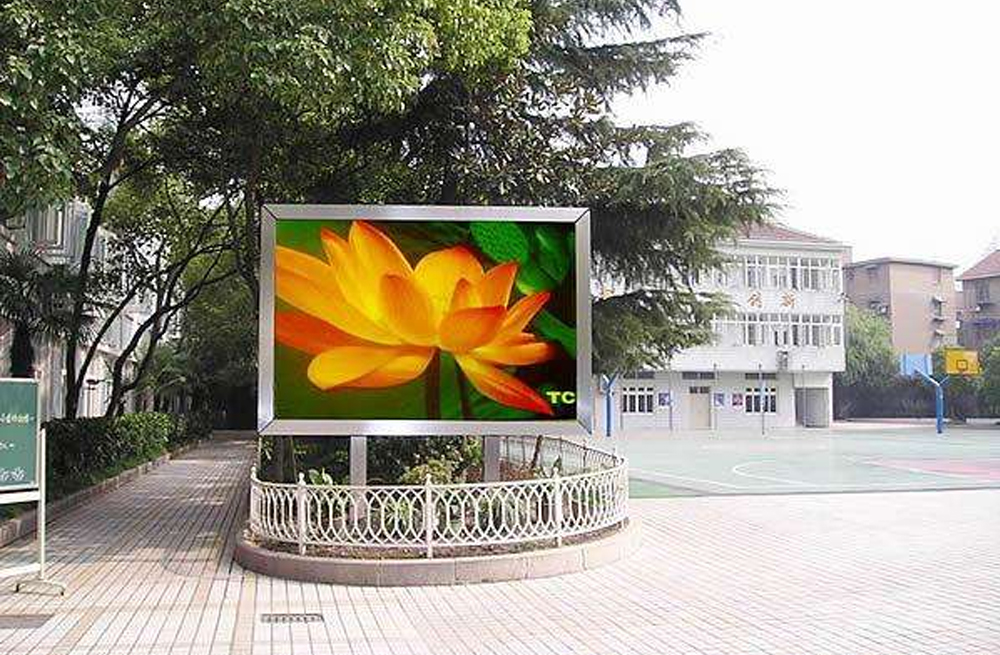
A digital advertising board is an electronic display, usually an LED or LCD screen, that presents ads, video, prices, wayfinding, or public information. Unlike a printed sign, its content can be updated in minutes, scheduled by time or location, and managed locally or over a network. This makes digital advertising boards useful wherever messages must stay visible, timely, and easy to change.
Businesses use these displays to attract attention, promote offers, guide visitors, and communicate in real time. The best result, however, depends on choosing the right screen type, pixel pitch, brightness, control system, and installation method for the viewing environment.
What Is a Digital Advertising Board?
A digital advertising board, also called an electronic advertising board or digital ad board, combines a display, media source, controller, power system, and content-management method. The screen may show a single message or rotate through images, animations, and video.
Most large-format advertising boards use LED technology because LED modules can be assembled into many sizes and remain bright at long viewing distances. Indoor locations may also use LCD panels or fine-pitch LED video walls when viewers stand closer to the screen.
How does it work?
- A designer creates or uploads advertising content.
- A media player or asynchronous LED control card stores and schedules the content.
- A sending device and receiving cards distribute image data across the display.
- LED modules reproduce the content as a complete image or video.
- Operators update the schedule locally or remotely, depending on the control system.
Common Uses of Digital Advertising Boards
Retail stores and shopping centers
Retailers use digital boards for new-product launches, limited-time offers, menu changes, store directories, and cross-selling. Content can be adjusted for morning, lunch, evening, or seasonal campaigns without printing and installing a new sign.
Restaurants and hospitality
Digital menu boards can show products, prices, promotions, and availability. Hotels and event venues use them for welcome messages, schedules, room directions, and sponsor content.
Transportation and public information
Airports, railway stations, bus terminals, and transit vehicles use electronic boards for departures, delays, safety notices, wayfinding, and paid advertising. Real-time updates are especially valuable when information changes quickly.
Corporate offices, exhibitions, and events
Companies use digital displays in reception areas, showrooms, control rooms, conference spaces, and trade-show booths. The same screen can support presentations, brand videos, dashboards, announcements, and live feeds.
Education and healthcare
Schools can publish timetables, event notices, emergency messages, and campus directions. Clinics and hospitals can display queue information, service guidance, public-health messages, and department locations.
Outdoor advertising and roadside displays
Weather-rated outdoor LED display screens are used on building facades, retail entrances, stadiums, roadside structures, and public squares. These installations require sufficient daylight brightness, suitable ingress protection, secure mounting, heat management, and local compliance.
Advantages of Digital Advertising Boards
- Fast content changes: Replace a campaign or correct information without producing a new physical sign.
- Scheduling: Show different messages by time, day, audience, or location.
- High visibility: Motion, brightness, and large formats can make important content easier to notice.
- Multiple messages: One display can rotate several campaigns instead of dedicating one surface to one design.
- Central management: Networked screens can be monitored and updated from one control point.
- Flexible formats: Use text, images, animation, video, live data, or emergency notices.
- Long-term operational efficiency: Frequent campaigns avoid repeated printing and manual replacement, although power and maintenance costs still need to be budgeted.
Digital Advertising Board vs. Static Advertising Board
| Factor | Digital advertising board | Static advertising board |
|---|---|---|
| Content updates | Updated electronically, often remotely | Requires printing and physical replacement |
| Media formats | Text, images, animation, video, and live data | One fixed printed or painted design |
| Scheduling | Multiple messages can run by time or date | One message remains until replaced |
| Visibility | Adjustable brightness and motion | Depends on ambient light or external lighting |
| Operating needs | Power, control hardware, software, and maintenance | Periodic cleaning and physical replacement |
| Best fit | Frequently changing or time-sensitive communication | Long-term messages that rarely change |
Indoor vs. Outdoor LED Advertising Boards
Indoor LED display screens are designed for shorter viewing distances and controlled lighting. A finer pixel pitch can produce detailed text and images when the audience is close. Outdoor boards typically need higher brightness, stronger weather protection, wider temperature tolerance, and a structure engineered for wind and long-distance viewing.
Do not choose an outdoor screen only by maximum brightness. The correct specification also depends on viewing distance, screen orientation, local sunlight, operating hours, maintenance access, and brightness regulations. For indoor projects, prioritize comfortable viewing, refresh performance, image detail, and noise control.
What Determines Digital Advertising Board Price?
There is no reliable single price per screen because project requirements vary. The main cost factors are:
- Screen dimensions and total display area
- Pixel pitch and resolution – finer pitch generally uses more LEDs and processing capacity
- Indoor or outdoor construction
- Required brightness and contrast
- Cabinet material, access method, and mounting structure
- Control system and LED video processor
- Power supplies, spares, installation, shipping, and commissioning
- Content software, connectivity, and ongoing maintenance
Compare quotations using the same technical scope. A lower screen price may exclude the controller, mounting structure, spare modules, cabling, installation, or after-sales support.
How to Choose the Right Digital Ad Board
- Define the purpose. Decide whether the display will run advertising, menus, wayfinding, live information, or a mix of content.
- Measure viewing conditions. Record the closest and typical viewing distance, available space, ambient light, and whether the screen faces direct sun.
- Select a suitable pixel pitch. Closer viewers generally need a finer pitch; long-distance outdoor audiences can often use a wider pitch.
- Specify brightness for the location. Indoor, window-facing, shaded outdoor, and direct-sun installations have different needs.
- Plan the content workflow. Choose synchronous control for live external sources or asynchronous control for scheduled standalone playback.
- Check service access. Confirm whether modules and power supplies need front or rear maintenance.
- Verify system compatibility. Match the controller, receiving cards, processor, modules, power supplies, and software.
- Budget for the complete project. Include structure, power distribution, data cabling, installation, spare parts, and maintenance.
Frequently Asked Questions
What is another name for a digital advertising board?
Common terms include digital ad board, electronic advertising board, digital display board, digital marketing board, LED advertising board, and digital signage display. The exact term often depends on the screen technology and installation.
Can a digital advertising board be updated remotely?
Yes, if the display uses a network-connected controller and compatible content-management software. Operators can upload media, change playlists, and schedule content without visiting the screen. Network security and user permissions should be configured as part of the system.
Are digital advertising boards suitable for daylight?
Outdoor LED boards can be designed for daylight visibility, but the required brightness depends on the screen orientation, surrounding light, viewing distance, and local rules. Automatic brightness adjustment helps maintain visibility while avoiding unnecessary power use at night.
How long should content stay on screen?
The message should remain visible long enough for the intended audience to understand it. Short headlines, large type, strong contrast, and one clear call to action work best when viewers are moving. Avoid transferring a print layout directly to a digital screen without simplifying it.
Which is better: an LED board or an LCD advertising screen?
LED is usually the better fit for very large, custom-size, high-brightness, or long-distance installations. LCD can suit smaller indoor displays that need fine detail at close range. The correct choice depends on size, environment, viewing distance, content, and budget.
Final Takeaway
Digital advertising boards make communication faster, more flexible, and easier to schedule than static signs. Their value comes from matching the display to the location and operating plan, not from screen size alone. Before buying, define the audience, viewing distance, brightness, pixel pitch, content source, maintenance access, and complete system cost.
For help matching LED modules, control cards, processors, and power components to a project, contact our LED display team with the screen size, installation environment, viewing distance, and content requirements.