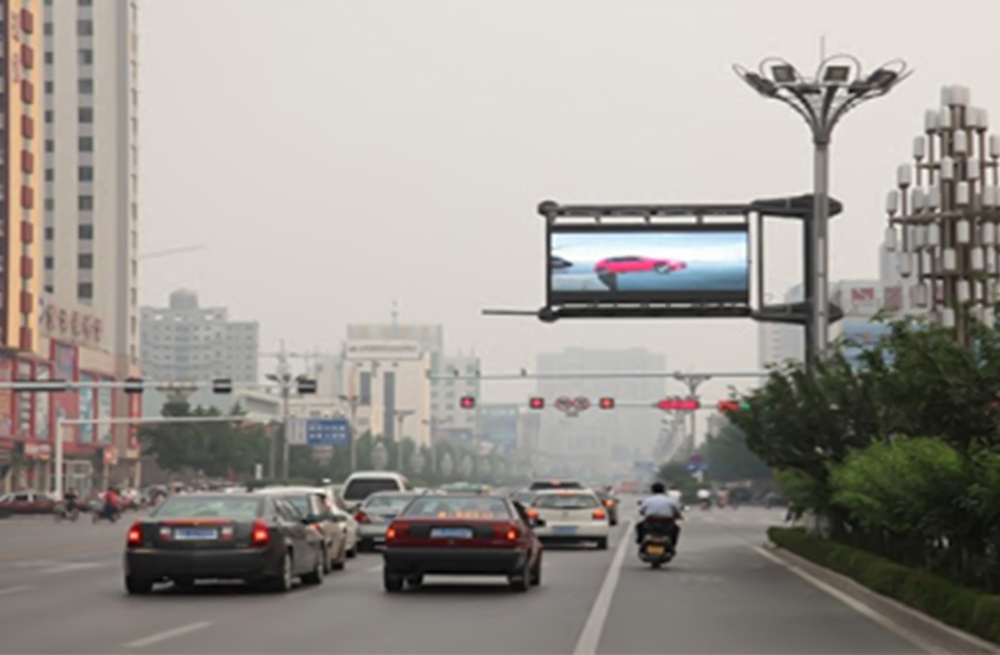
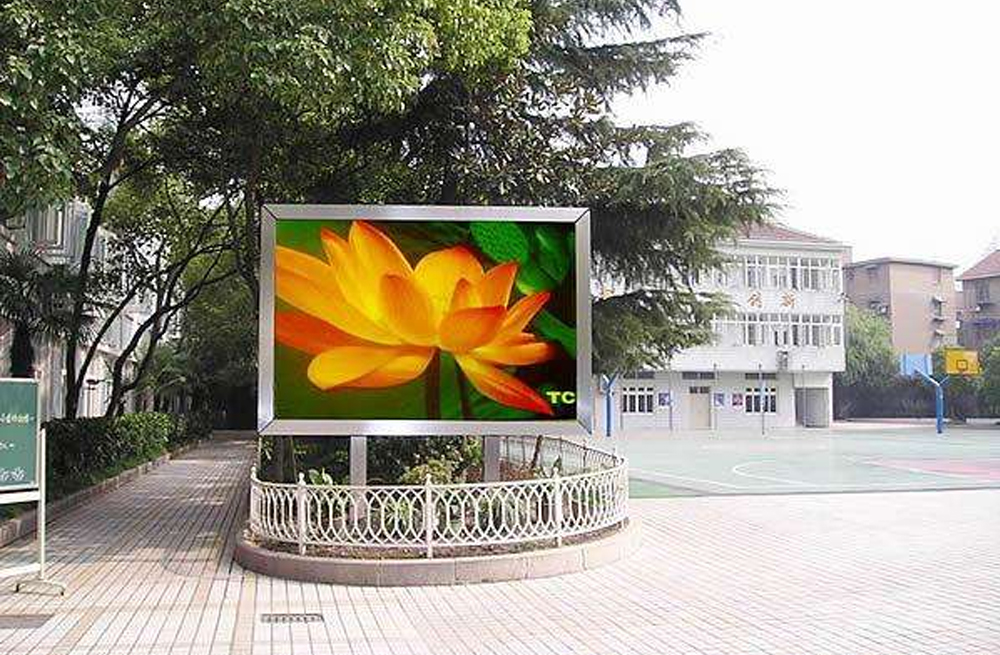
Outdoor LED advertising screens are high-brightness digital displays designed to deliver video, images, text, and real-time information in public spaces. Unlike printed billboards, they can run multiple campaigns, update content remotely, and adapt messages by time, location, or audience. When the screen, placement, content, and measurement plan are aligned, outdoor LED advertising can build awareness, drive visits, and support measurable business goals.
This guide explains the main benefits of outdoor LED screens, what makes them effective, how to evaluate performance, and which technical factors matter before purchase or rental.
What Is an Outdoor LED Advertising Screen?
An outdoor LED advertising screen is a modular digital display built with light-emitting diodes and weather-resistant cabinets. It is engineered for higher brightness, wider viewing distances, and harsher conditions than a typical indoor display. Common installations include roadside billboards, shopping centers, building facades, stadiums, transport hubs, event venues, and retail storefronts.
The display receives content through an LED control system, which may include a video processor, sending device, receiving cards, media player, and content-management software. This setup allows operators to schedule campaigns, change creative remotely, and monitor playback without replacing printed materials.
Key Benefits of Outdoor LED Advertising Screens
1. High visibility in daylight and at long distances
Outdoor LED displays are designed to remain legible in bright ambient light. Their brightness, contrast, color performance, and large format help messages stand out in busy environments. Effective visibility still depends on correct brightness settings, viewing angle, pixel pitch, screen size, and placement.
2. Fast, flexible content updates
Digital campaigns can be changed without printing, transporting, or installing new posters. A business can schedule different messages for morning commuters, lunchtime traffic, evening shoppers, special events, or seasonal promotions. This flexibility is especially useful for price changes, time-sensitive offers, public information, and multi-brand advertising networks.
3. Multiple campaigns on one display
A single screen can rotate several advertisements or combine branding, product messages, event information, and live data. This improves the commercial use of a fixed location and allows screen owners to sell time slots to multiple advertisers. Campaign frequency and dwell time should be planned so each message remains easy to read.
4. Strong creative impact
Motion, color, animation, and video can make a message more noticeable than a static format. However, movement alone does not guarantee results. The strongest creative usually has one clear idea, a short headline, recognizable branding, strong contrast, and a call to action that can be understood within a few seconds.
5. Broad reach in high-traffic locations
Outdoor screens can reach pedestrians, drivers, commuters, event visitors, and shoppers at scale. They are particularly effective for location-based goals such as store visits, event attendance, local launches, and brand awareness. Actual reach should be estimated from verified traffic or footfall data rather than assumed from screen size alone.
6. Long-term operational value
Although an LED screen requires a higher initial investment than a printed sign, it can support many campaigns over its service life. Remote updates can reduce recurring printing and installation work. The financial case depends on utilization, electricity costs, maintenance, expected lifespan, advertising revenue, and the value of faster content changes.
How Effective Is Outdoor LED Advertising?
Outdoor LED advertising can be highly effective when four elements work together: a valuable location, a display suited to the viewing conditions, concise creative, and a measurement method tied to the campaign objective. A bright screen in a poor location or a technically excellent display with unreadable content can still underperform.
Effectiveness should be judged against a defined goal. Useful objectives include increasing aided brand awareness, generating store visits, promoting an event, lifting sales in a specific area, driving searches for a brand, or generating visits through a trackable URL or QR code.
| Campaign goal | Useful metrics | Measurement method |
|---|---|---|
| Brand awareness | Reach, frequency, brand recall, search lift | Traffic data, audience studies, pre/post surveys, search trends |
| Store visits | Footfall, direction requests, redemption rate | Store counters, location analytics, unique offer codes |
| Website traffic | Sessions, direct traffic, landing-page conversions | Short URL, QR code, dedicated landing page, analytics |
| Sales | Incremental revenue, transactions, return on ad spend | Matched-market test, campaign-period comparison, promo codes |
| Event promotion | Registrations, ticket sales, attendance | Campaign-specific links, codes, and registration attribution |
For a more reliable result, compare performance with a baseline or control area. Account for seasonality, promotions, weather, pricing, and other marketing activity. Avoid attributing every sales change to the screen when several factors changed at the same time.
What Makes an Outdoor LED Campaign Successful?
Choose a location that matches the audience
Evaluate traffic volume, audience profile, approach angle, viewing distance, dwell time, obstructions, local regulations, and nearby competing signs. A screen viewed by slow-moving pedestrians needs a different format from a roadside display seen by drivers for only a few seconds.
Keep the message simple
Use a short headline, one focal image, clear brand identification, and a single action. Small text, long sentences, detailed price lists, and rapid scene changes are difficult to process outdoors. Test the creative at the expected viewing distance and exposure time before launch.
Use appropriate brightness without wasting energy
The screen must be bright enough for daytime visibility but should dim automatically at night. A light sensor and scheduled brightness controls can improve comfort, reduce power consumption, and help meet local rules. Maximum brightness is not a substitute for good contrast and content design.
Match pixel pitch to viewing distance
Pixel pitch is the center-to-center distance between adjacent pixels, measured in millimeters. A smaller pitch supports closer viewing and finer detail but usually increases cost. A larger pitch can be suitable when viewers are farther away. The right choice depends on the minimum viewing distance, screen dimensions, content detail, and budget.
Plan for weather, maintenance, and uptime
Outdoor equipment should have suitable ingress protection, corrosion resistance, heat management, electrical protection, and a serviceable cabinet design. Confirm whether front or rear access is available and keep critical spare modules, power supplies, and receiving cards. Monitoring temperature, power, signal status, and playback can reduce downtime.
Important Specifications to Compare
- Pixel pitch: Determines pixel density and influences the recommended viewing distance.
- Brightness: Must suit local daylight conditions and support automatic dimming.
- Ingress protection: Check the IP rating of both front and rear surfaces for the intended installation.
- Refresh rate: A higher refresh rate can improve camera performance and reduce visible scan lines in recorded content.
- Viewing angle: Wider angles are useful where viewers approach from different directions.
- Power consumption: Compare typical as well as maximum consumption when estimating operating cost.
- Service access: Front-service and rear-service designs suit different structures and maintenance spaces.
- Control compatibility: Confirm input formats, resolution capacity, redundancy options, remote management, and compatibility with the selected control system.
- Warranty and support: Review coverage, response time, spare-parts availability, documentation, and technical support.
Explore our outdoor LED screens for sale, including options for fixed installations and events. For temporary campaigns, concerts, and touring productions, compare outdoor rental LED display panels.
Fixed Installation or Rental LED Screen?
A fixed outdoor LED screen is generally better for permanent advertising locations, storefronts, building facades, stadiums, and long-term media networks. The structure, weather protection, power distribution, access, and local approvals can be engineered for a specific site.
A rental LED screen is designed for repeated assembly, transport, and fast setup. It is often preferred for concerts, exhibitions, sports events, product launches, and short campaigns. Rental cabinets usually prioritize manageable weight, quick locks, alignment, and flexible configurations.
Cost Factors and Return on Investment
The total cost of an outdoor LED advertising screen is more than the panel price. Budget for the display area, pixel pitch, supporting structure, control system, power distribution, data cabling, installation, permits, content production, electricity, connectivity, maintenance, spare parts, and eventual replacement.
For a screen owner, return on investment may come from advertising-slot revenue, increased store traffic, reduced print replacement, or improved communication efficiency. For an advertiser, assess the incremental business result against media and creative cost. A realistic forecast should use expected occupancy, local audience data, operating expenses, and downtime rather than a universal percentage claim.
Outdoor LED Advertising Screen Checklist
- Define the campaign or business objective.
- Verify audience, traffic, viewing angle, distance, and dwell time.
- Confirm local planning, brightness, structural, and electrical requirements.
- Select pixel pitch, brightness, cabinet type, and service access for the site.
- Plan power, signal redundancy, cooling, drainage, and lightning protection.
- Create short, high-contrast content and test it from the real viewing position.
- Set automatic brightness schedules and a maintenance routine.
- Choose measurable KPIs and establish a baseline before launch.
Frequently Asked Questions
What are the main benefits of outdoor LED advertising screens?
The main benefits are high visibility, remote content updates, support for video and animation, the ability to schedule multiple campaigns, broad local reach, and reusable display infrastructure. Results depend on location, screen quality, creative clarity, and measurement.
Do outdoor LED screens work in direct sunlight?
Yes, when the display has suitable brightness, contrast, and an outdoor-rated design. Performance also depends on screen orientation, shading, viewing distance, and automatic brightness control. The required specification should be assessed for the actual site.
What pixel pitch is best for outdoor advertising?
There is no single best pixel pitch. Choose it according to the closest viewing distance, screen size, content detail, and budget. Closer audiences generally benefit from a smaller pitch, while distant roadside audiences can often use a larger pitch.
How long does an outdoor LED display last?
Service life varies with component quality, operating hours, brightness settings, temperature, moisture, maintenance, and power quality. Ask suppliers for test data, warranty terms, maintenance guidance, and spare-parts support rather than relying only on a headline lifetime figure.
How can outdoor LED advertising performance be measured?
Use metrics tied to the goal, such as reach, brand recall, footfall, searches, website visits, registrations, or incremental sales. Trackable URLs, QR codes, offer codes, audience counts, surveys, and matched-market tests can help connect exposure with outcomes.
Conclusion
Outdoor LED advertising screens combine large-format visibility with the flexibility of digital content. Their effectiveness comes from more than brightness: the right location, appropriate technical specification, clear creative, dependable operation, and disciplined measurement are all essential. Start with the audience and business goal, then select a screen and control system that can deliver the required message reliably in the real outdoor environment.