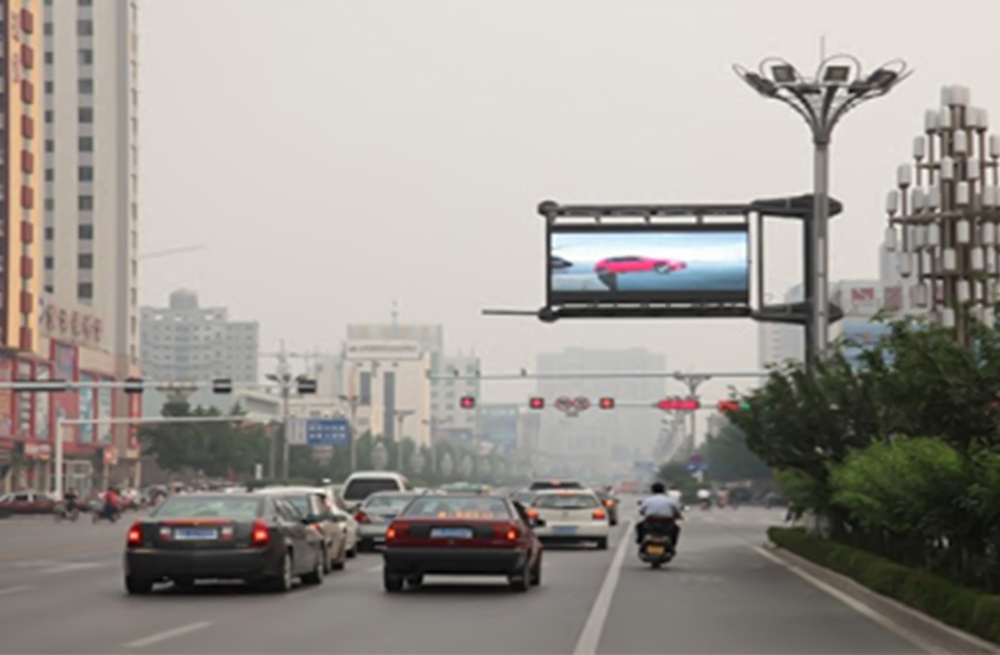
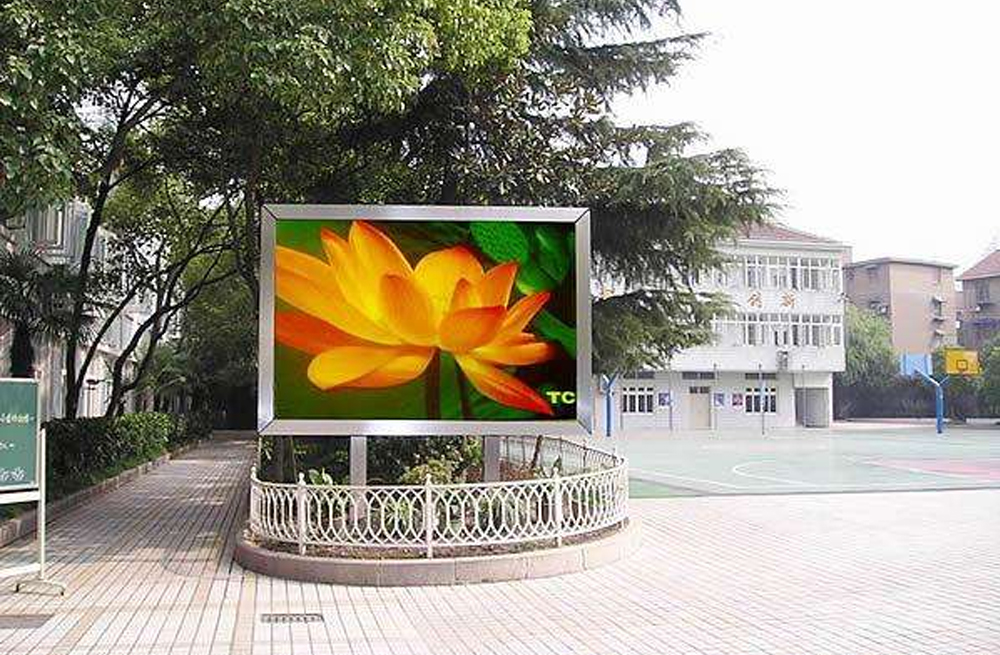
An indoor fixed LED display helps businesses attract attention, explain offers clearly, and update visual content in real time. Unlike printed signs, it can show promotions, product demonstrations, wayfinding, dashboards, video, and live information on the same screen. For retail stores, showrooms, offices, hotels, control rooms, and event venues, that flexibility can improve communication while reducing repeated printing and installation work.
This guide explains the main indoor LED display benefits, where these screens work best, what affects cost, and how to choose the right pixel pitch and system for your space.
What Is an Indoor Fixed LED Display?
An indoor fixed LED display is a modular direct-view screen installed permanently on a wall, structure, or custom frame. Multiple LED display modules form one seamless canvas, so the finished screen can be built to a specific width, height, or aspect ratio. Because every LED emits light, the image remains bright and visible in busy indoor environments.
“Fixed” describes the installation, not the content. The screen stays in one location, while its videos, images, schedules, prices, announcements, and live feeds can be changed through a media player or LED control system.
7 Benefits of Indoor LED Displays for Businesses
1. High visibility in busy indoor spaces
Bright, high-contrast visuals are easier to notice than static posters, especially in shopping centers, flagship stores, reception areas, transport hubs, and exhibition halls. Motion should be used selectively, but a well-designed sequence can guide attention to a product, service, promotion, or important message.
2. Real-time content updates
A business can change campaigns without printing a new sign. Teams can schedule content by time of day, update a price or event notice, and switch between branded video, product information, social content, or operational messages. This is particularly useful for retailers running frequent promotions or locations that need timely information.
3. A seamless image at custom sizes
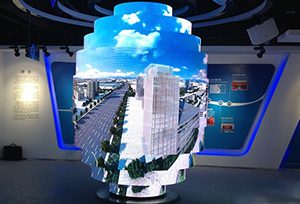
LED modules can create wide, tall, curved, or unusually proportioned displays without the thick bezels associated with multi-panel LCD video walls. The result is a continuous visual surface that can fit a storefront, feature wall, stage backdrop, conference room, or control center.
4. Clear viewing at the right distance
Indoor screens are usually viewed from a shorter distance than outdoor displays, so a fine pixel pitch is often important. When pixel pitch matches the viewing distance, text, product details, faces, and interface elements look sharper. The smallest pitch is not automatically the best choice; the goal is to balance image quality, screen size, viewing distance, and budget.
5. Better use of valuable floor and wall space
One screen can perform several jobs throughout the day. A retail wall may introduce a new product in the morning, promote a limited-time offer in the afternoon, and show brand content in the evening. In an office, the same display can support presentations, visitor messaging, company updates, and live dashboards.
6. Centralized content management
With the appropriate controller and software, one operator can manage a single display or coordinate content across multiple locations. Scheduled playback also reduces the need for staff to change signs manually. For larger systems, choose compatible LED video processors and LED receiving cards that support the required resolution, inputs, redundancy, and control workflow.
7. Long-term value for frequently changing messages
The initial investment is higher than a printed poster, but an LED display can replace recurring print, delivery, installation, and disposal costs. Its value is strongest when content changes often, the screen serves several departments, or the location depends on high-impact visual communication.
Best Applications for Indoor Full-Color LED Displays
| Business environment | Typical use | What to prioritize |
|---|---|---|
| Retail stores and malls | Promotions, product launches, window displays, brand video | Fine pixel pitch, color consistency, content scheduling |
| Corporate offices | Reception branding, presentations, internal communication | Quiet operation, readable text, multiple inputs |
| Hotels and hospitality | Wayfinding, event schedules, welcome messages | Reliable daily operation, remote updates, elegant installation |
| Showrooms | Product demonstrations, specifications, immersive backgrounds | Accurate color, suitable camera performance, high resolution |
| Conference and event venues | Presentations, live video, sponsor content, stage backdrops | Input flexibility, low latency, service access |
| Control rooms | Dashboards, maps, monitoring feeds, alerts | 24/7 reliability, redundancy, close-view clarity |
| Schools and public buildings | Announcements, schedules, safety information | Simple operation, legible content, secure mounting |
How Indoor LED Displays Support Retail Visual Marketing
For a retail store, the display should support a specific customer journey rather than function as decoration alone. A storefront screen can create awareness, a feature-wall display can explain product benefits, and a smaller in-store screen can help customers compare options or find departments.
- Keep the message short: show one main idea at a time and make prices or calls to action readable within a few seconds.
- Design for the actual viewing distance: text that looks clear on a laptop may be too small on a large wall.
- Use contrast deliberately: high contrast improves readability, while excessive brightness can feel uncomfortable indoors.
- Schedule by context: match content to store hours, campaigns, inventory, audience, or nearby events.
- Measure outcomes: compare foot traffic, dwell time, offer redemptions, or sales during different content schedules.
How to Choose an Indoor LED Display
Start with viewing distance and pixel pitch
Pixel pitch is the center-to-center distance between adjacent pixels, measured in millimeters. A smaller pitch provides more pixels in the same area and supports closer viewing, but it normally costs more. Define the closest regular viewing position, the type size you need to show, and the screen dimensions before selecting a pitch.
Confirm screen size, aspect ratio, and resolution
Content production is easier when the LED canvas matches a familiar aspect ratio such as 16:9. Custom shapes can be effective, but the content team must create media for the exact pixel dimensions. Ask the supplier for the final width, height, physical resolution, and recommended source resolution.
Match brightness to the environment
Indoor displays do not need outdoor-level brightness. The correct setting depends on ambient light, nearby windows, wall color, and operating hours. Brightness adjustment should be available so the screen remains comfortable to view and does not waste energy.
Check refresh rate and camera requirements
If visitors will photograph or film the screen, discuss refresh rate, scan mode, grayscale performance, and camera compatibility before purchase. A screen that looks fine to the eye can show bands or artifacts on camera when the system is not configured for recording.
Plan installation and maintenance access
Confirm the wall structure, power distribution, ventilation, cable routes, controller location, and front or rear service requirements. Front-service modules are often practical where there is no maintenance corridor behind the display. Also ask how failed modules, power supplies, and control cards can be replaced.
Evaluate the complete system, not only the module
Image quality and reliability depend on the modules, cabinets, power supplies, receiving cards, video processor, calibration, structure, and configuration working together. Request a complete bill of materials, spare-parts plan, warranty terms, software training, and technical support details.
What Determines Indoor LED Display Cost?
There is no single price per screen because cost changes with pixel pitch, total area, cabinet design, component grade, controller capacity, installation structure, shipping, commissioning, and spare parts. Fine-pitch displays generally cost more per square meter, while a larger pixel pitch may be sufficient for viewers farther away.
Compare proposals using total cost of ownership: initial hardware, installation, power use, content production, maintenance access, spare modules, warranty coverage, and expected service life. A cheaper proposal can cost more later if modules are difficult to match, service access is poor, or the control system cannot support future inputs.
Indoor LED Display Buyer Checklist
- Where will the screen be installed, and what is the closest viewing distance?
- What physical size, aspect ratio, and native resolution are required?
- Will the screen show video, detailed text, live data, or camera feeds?
- How bright is the room, and does sunlight reach the display?
- How many hours per day will the screen operate?
- Is front maintenance required?
- Which input sources, media players, and control software are needed?
- Are redundancy, low latency, or camera-friendly performance necessary?
- Who will create, approve, schedule, and update the content?
- What training, warranty, remote support, and spare parts are included?
Browse the LED display parts shop to compare system components, or contact EagerLED with your screen size, viewing distance, installation photos, and content requirements for a compatible solution.
Frequently Asked Questions
What are the main benefits of an indoor fixed LED display?
The main benefits are high visibility, seamless custom sizing, real-time content updates, centralized management, and the ability to reuse one screen for promotions, information, presentations, or live data. These advantages are most valuable in locations where messages change often or visual impact matters.
Is an indoor LED display suitable for a retail store?
Yes. Indoor LED displays can support storefront promotions, product launches, brand storytelling, wayfinding, and in-store offers. For retail visual marketing, choose a pixel pitch that looks sharp at the expected viewing distance and keep content concise and measurable.
What pixel pitch is best for an indoor LED display?
The best pixel pitch depends on viewing distance, content detail, screen size, and budget. Close-view applications usually need a finer pitch, while displays viewed from farther away can use a larger pitch. A supplier should recommend options after reviewing the nearest viewing position and required resolution.
What is the difference between indoor and outdoor LED displays?
Indoor LED displays are designed for controlled environments and typically prioritize fine pixel pitch and comfortable brightness. Outdoor displays require higher weather protection, greater brightness, and structures engineered for wind and environmental exposure.
How should a business prepare content for an LED screen?
Create content at the screen’s native pixel dimensions, use large readable type, maintain strong contrast, and focus each scene on one message. Test the final content from the real viewing distance, then schedule and measure campaigns so the screen supports a defined business objective.