Choosing an LED display panel supplier is not only about comparing cabinet prices. A reliable supplier should help you match the screen, LED modules, control system, power supplies, cabling and spare parts as one compatible system. For integrators and commercial buyers, sourcing these items together reduces compatibility problems, simplifies testing and makes future maintenance easier.
This guide explains how to compare LED display panel suppliers, which screen types fit common applications, which accessory brands to consider and what information to request before ordering.
Quick answer: what makes a reliable LED display panel supplier?
The best LED panel supplier for a project is the one that can document product specifications, verify component compatibility, provide pre-shipment testing and support replacement parts after installation. Look beyond a single sample image or price quote. Confirm pixel pitch, brightness, refresh rate, cabinet size, control-system brand, power requirements, service method, warranty terms and the exact spare-parts package in writing.
For a complete project, start with the LED display and parts catalog or browse products by LED display brand.
LED display panels: choose by application first
There is no single “best LED screen” for every installation. The right panel depends on viewing distance, ambient light, weather exposure, installation method and how often the screen will be moved.
| Application | Typical priorities | Best starting point |
|---|---|---|
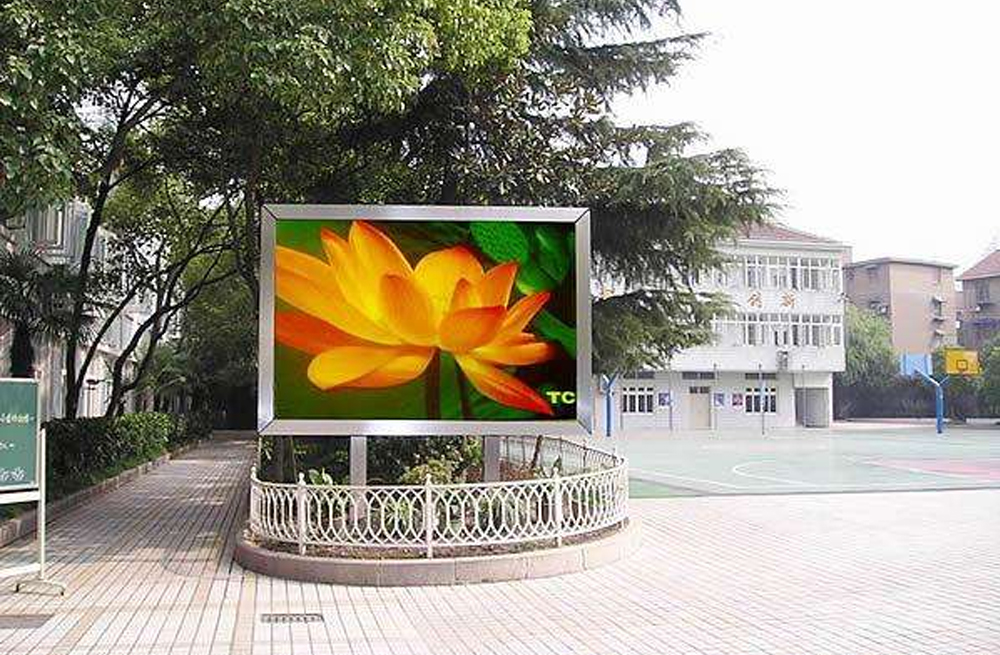
| Indoor retail, meeting rooms and studios | Fine pixel pitch, color consistency, quiet operation and front access | Indoor LED display screens |
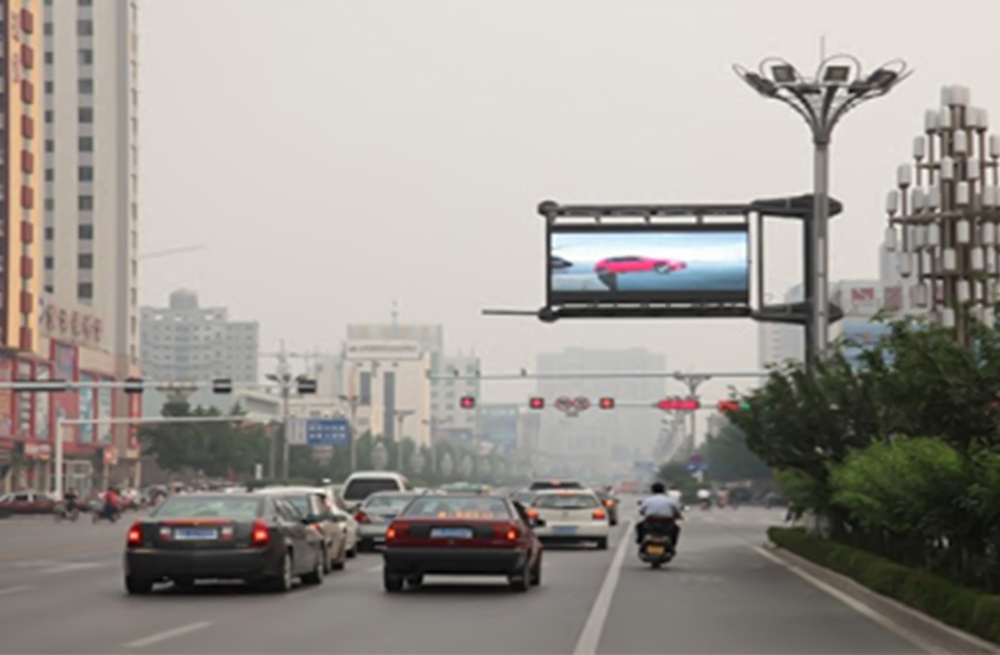
| Outdoor advertising and building displays | High brightness, weather resistance, heat management and robust cabinets | Outdoor LED display screens |
| Rental events and touring | Fast locks, corner protection, low cabinet weight and repeated assembly | Rental-ready cabinets with accessible spare modules |
| Custom shapes and curved installations | Flexible modules, mechanical tolerances and a tested mounting design | Indoor SMD LED modules |
Which LED display brands and control-system brands should you compare?
A complete LED display system may include products from several specialist manufacturers. The cabinet or module brand is only one part of the decision. Controllers, receiving cards, video processors and power supplies must also suit the screen resolution, input sources and operating environment.
NovaStar
NovaStar is widely used for LED display control and video processing. Its product range covers sending devices, receiving cards, processors and all-in-one controllers for fixed and rental applications. Buyers who already operate NovaStar systems may prefer to keep new screens in the same ecosystem for familiar configuration and spare-part planning. Browse available NovaStar products.
Colorlight, Huidu and Linsn
Colorlight, Huidu and Linsn provide control solutions for different synchronous and asynchronous display workflows. The correct choice depends on total pixel load, input and output requirements, playback method, software workflow and the receiving cards installed in the cabinets. Do not select a controller by brand name alone; request a complete signal-path recommendation.
Video-processing and power brands
Video processors from brands such as VDWALL and RGBlink can be useful when a project needs signal switching, scaling or multi-window layouts. For power, compare output voltage, rated power, efficiency, cooling method, protection functions and certification documents. The supply must be matched to the module load with appropriate headroom.
Essential LED display accessories checklist
LED display accessories determine whether the finished screen is stable, serviceable and easy to expand. Ask the supplier to identify every item in the bill of materials rather than quoting a panel alone.
| Accessory | What it does | What to confirm |
|---|---|---|
| LED video processor | Scales, switches and manages video inputs | Input formats, output capacity, latency, HDR or scaling needs |
| Receiving card | Receives display data inside each cabinet | Compatibility, load capacity, firmware and spare quantity |
| Asynchronous control card | Stores and plays content without a continuously connected computer | Storage, scheduling, connectivity and supported resolution |
| LED power supply | Converts mains power for modules and electronics | Voltage, wattage, efficiency, protections and operating temperature |
| Sending box | Provides a packaged sending interface for the LED system | Output ports, pixel capacity, redundancy and fiber requirements |
| Cables and other LED display parts | Connect power, data and cabinet hardware | Connector type, cable length, labeling and spare stock |
How integrators should compare LED screen suppliers
1. Send a complete project brief
Provide the installation location, screen dimensions, viewing distance, content type, operating hours, mounting method, input sources and local mains voltage. For outdoor projects, include expected temperature, rain exposure and direct-sunlight conditions. A detailed brief allows the supplier to recommend a system instead of guessing.
2. Compare specifications on the same basis
Two quotations can appear similar while using different brightness targets, refresh rates, LED packages, scan modes or spare quantities. Build a comparison sheet that uses the same required values for every supplier. Ask for cabinet drawings, module specifications, power consumption, total screen resolution and controller capacity.
3. Verify compatibility before shipment
The display, receiving cards, sending device, processor and software should be tested as one signal chain. Confirm that configuration files and firmware versions are supplied. If the project uses existing equipment, provide the exact model and firmware details to the supplier before placing the order.
4. Evaluate quality control and serviceability
A durable LED display is easier to maintain when modules, power supplies and control cards are accessible and consistently labeled. Ask how the supplier performs aging tests, visual inspection and functional testing. Also confirm whether replacement modules will be calibrated to match the original screen.
5. Plan the spare-parts package
Spare modules alone are not enough. Depending on project size and criticality, the package may also need receiving cards, power supplies, data cables, power cables, hub boards, masks and cabinet hardware. Agree on quantities before shipment so the screen can be restored quickly if a component fails.
Important specifications to confirm before buying
- Pixel pitch and resolution: Match pixel density to viewing distance and the dimensions of the content canvas.
- Brightness: Specify a target suitable for the environment; more brightness is not automatically better indoors.
- Refresh rate and grayscale: Higher performance may be important for cameras, broadcast and smooth low-brightness images.
- Viewing angle and color consistency: Check the needs of audiences viewing from the side or at close range.
- Ingress protection: For outdoor screens, confirm the stated IP rating separately for the front and rear where applicable.
- Service access: Choose front or rear maintenance according to the installation space.
- Power and heat: Review maximum and average consumption, circuit loading, ventilation and operating temperature.
- Documentation: Request drawings, wiring diagrams, configuration files, test records and applicable compliance documents.
Why source LED panels and accessories from one supplier?
Buying a complete package from one qualified LED display screen supplier gives one team responsibility for compatibility across the panels, controllers and accessories. It can also simplify consolidated shipping, spare-parts labeling and technical support. This is especially valuable for integrators managing installation schedules or serving multiple sites.
LEDControllerCard.com is operated by Shenzhen EagerLED Co., Ltd. and offers LED display screens, modules, control products, video processors, power supplies and replacement parts. Products can be selected by application or brand, while the support team can review a project bill of materials before purchase.
LED display supplier FAQ
What should I send an LED display panel supplier for an accurate quote?
Send the screen width and height, indoor or outdoor location, viewing distance, installation type, content sources, operating hours, mains voltage and destination. Include photos or drawings of the installation area when possible.
Should I buy the LED screen and controller from the same supplier?
It is usually helpful because the supplier can test the complete system and provide matching configuration files. If you already own a controller, give the supplier its exact model, available outputs and firmware version so compatibility can be checked.
How do I choose a pixel pitch?
Use the expected viewing distance and required screen resolution as the starting points. A smaller pixel pitch improves close-range detail but increases pixel count, controller load and cost. Ask for calculations based on the actual screen dimensions rather than choosing pitch from a generic rule alone.
Which spare parts should be included?
A practical kit may include spare LED modules, receiving cards, power supplies, flat cables, power cables, masks and cabinet hardware. The correct quantity depends on screen size, operating environment and how quickly replacement stock can reach the site.
How can I evaluate an LED panel manufacturer or supplier?
Request traceable specifications, product and factory information, testing details, warranty terms, support contacts and a complete bill of materials. A reliable supplier should answer compatibility questions clearly and document what is included in the quotation.
Get a compatible LED display system
Use the brand directory to compare control and accessory options, or contact the LEDControllerCard.com team with your project dimensions and technical requirements. A complete brief makes it possible to recommend the panel type, controller capacity, accessories and spare parts as one working system.