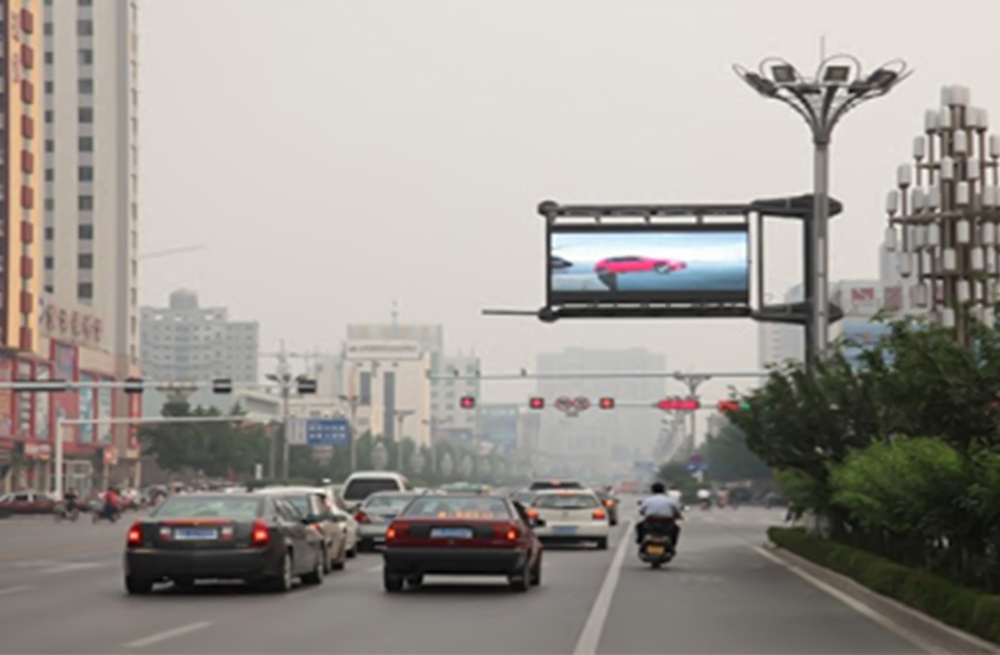
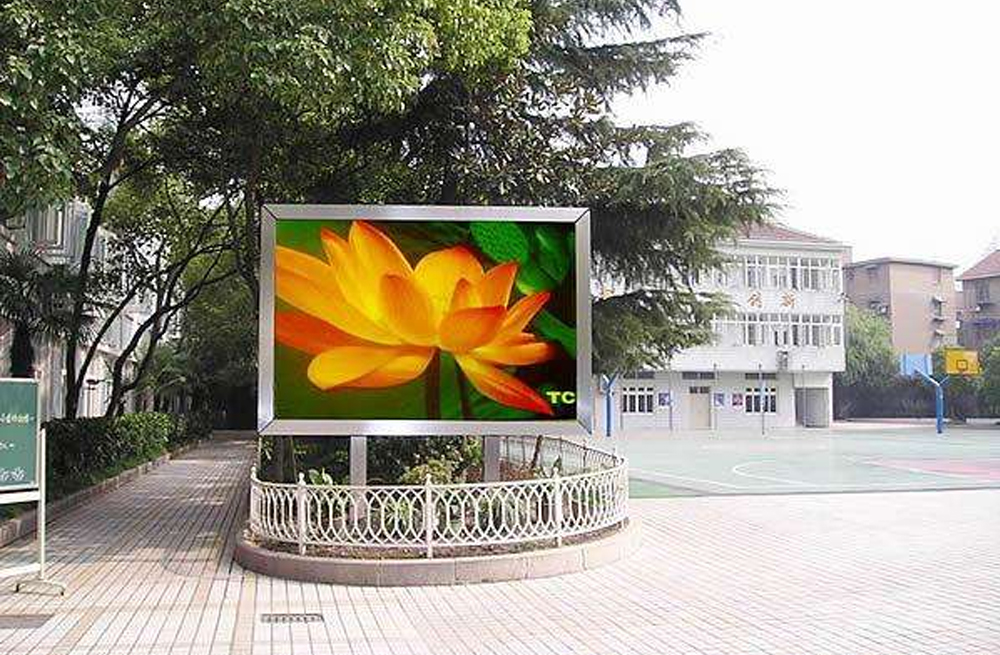
Short answer: P10 LED screen rental is usually best for a one-off event, a short campaign, or a project that needs installation and technical support included. Purchase a P10 LED screen for a permanent site or repeated use when the long-term savings, full control, and customization justify ownership.
The right choice depends on total project cost, not the panel price alone. Compare screen size, rental duration, transport, structure, power, control equipment, labor, maintenance, spare parts, and expected number of uses before deciding.
P10 LED Screen Rental vs Purchase at a Glance
| Decision factor | Rent a P10 LED screen | Purchase a P10 LED screen |
|---|---|---|
| Best for | One-off events, temporary advertising, seasonal campaigns, and trials | Permanent installations, frequent events, and long-term advertising |
| Initial spending | Lower because you pay for a defined period | Higher because you own the display and supporting system |
| Installation | Often bundled with delivery, setup, testing, and removal | Requires permanent structure, electrical work, commissioning, and training |
| Customization | Limited to the rental provider’s available inventory | Screen size, cabinet design, control system, and service method can be specified |
| Maintenance | Usually handled during the rental period, subject to the contract | The owner plans maintenance, spares, access, and technical support |
| Long-term cost | Can become expensive when the same display is rented repeatedly | Can be more economical when usage is frequent and the system is maintained well |
What Is a P10 LED Screen?
A P10 LED screen has a 10 mm center-to-center distance between neighboring pixels. That equals 100 pixels per meter in each direction, or 10,000 pixels per square meter. P10 is commonly selected for medium- and long-distance viewing because it covers a large area without the cost of a finer pixel pitch.
The term P10 defines pixel pitch only. It does not automatically define brightness, waterproofing, refresh rate, LED type, cabinet size, or whether the screen is suitable for indoor or outdoor use. For a detailed technical explanation, see our P10 outdoor LED screen specifications and buying guide.
- Typical viewing distance: about 10 m (33 ft) or more, depending on content and viewer expectations.
- Typical outdoor brightness: often 5,000-7,000 nits, depending on direct sunlight and installation direction.
- Typical refresh rate: commonly 1,920-3,840 Hz; camera-facing projects often benefit from the higher end.
- Common applications: outdoor advertising, stage backdrops, stadium information, commercial facades, and public messaging.
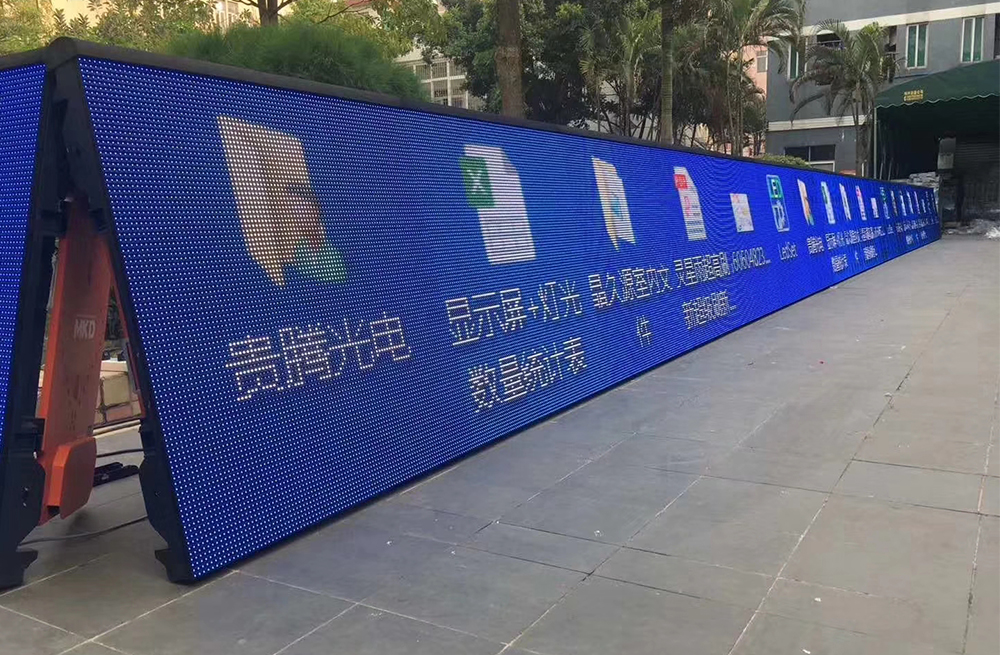
When Is P10 LED Screen Rental the Best Choice?
P10 LED screen rental is usually the practical choice when the requirement is temporary or the project scope may change. It converts equipment ownership into a defined event or campaign expense and can reduce operational risk.
- One-time events: concerts, conferences, exhibitions, sports events, product launches, and community programs.
- Short campaigns: temporary retail promotions, seasonal advertising, and pop-up installations.
- Uncertain requirements: a rental lets you test screen size, viewing distance, and content before committing to a permanent display.
- Limited technical staff: a full-service rental can include transport, rigging, power distribution, video processing, setup, operation, and removal.
- Fast deployment: rental inventory is designed for repeated assembly and disassembly.
Ask whether the quote includes an operator, structural support, power cables, data cables, video processor, backup equipment, permits, travel, insurance, and after-hours labor. A low daily panel rate can be misleading when these items are excluded.
When Does Purchasing Make More Sense?
Purchase is generally stronger for a fixed location or a schedule with frequent use. Ownership gives you control over content, operating hours, component selection, and future maintenance.
- Permanent advertising: roadside signs, building facades, shopping centers, transport hubs, and stadium scoreboards.
- Repeated events: venues, production companies, schools, and organizations that use the screen many times each year.
- Custom engineering: a permanent system can match the exact dimensions, wind load, service access, brightness, controller capacity, and redundancy requirements.
- Long service life: a well-designed system can spread the investment across years of operation.
- Content control: the owner can update schedules and campaigns without depending on rental availability.
Ownership also creates responsibilities. Budget for routine inspection, cleaning, calibration, spare modules, power supplies, receiving cards, weather seals, ventilation, and qualified electrical or structural service.
What Determines P10 LED Screen Cost?
There is no universal P10 LED screen price. Two displays with the same pixel pitch can have very different performance and lifecycle costs. The main cost drivers are:
- Total screen area and resolution. Larger displays require more modules, cabinets, power supplies, receiving cards, structure, and labor.
- Outdoor performance. Brightness, front and rear ingress protection, operating temperature, corrosion resistance, and cabinet sealing affect price.
- LED package and driver electronics. SMD or DIP LEDs, driver ICs, scan mode, grayscale, refresh rate, and calibration influence visual quality.
- Cabinet design. Rental cabinets prioritize fast assembly and lower handling weight. Fixed cabinets prioritize structural fit, service access, and weather protection.
- Control system. Sending devices, receiving cards, video processors, media players, fiber converters, backup paths, and monitoring add to the system cost.
- Power and structure. Distribution panels, cabling, grounding, cooling, steelwork, wind-load engineering, and access equipment are part of the installed cost.
- Logistics and labor. Freight, customs, local transport, lifting equipment, installation, commissioning, dismantling, and travel can materially change a quote.
- Support and warranty. Spare parts, remote diagnostics, on-site support, warranty length, and component availability affect long-term value.
How to Compare Rental and Purchase Costs
Use the same technical scope for both quotations. A rental quote should cover the complete event period and all required services. A purchase quote should cover the installed system and the expected cost of ownership.
Rental total = equipment + delivery + structure/rigging + power + control equipment + setup + operator + removal + taxes or permits.
Purchase lifecycle total = equipment + freight + structure + electrical work + installation + commissioning + spares + planned maintenance + energy + end-of-life removal.
A simple break-even estimate is:
Break-even uses = purchase lifecycle total ÷ (rental cost per use – owner operating cost per use).
This calculation is only a starting point. Also consider cash flow, storage, utilization, insurance, technical staff, downtime risk, and whether the purchased screen will still meet future content requirements.
Calculate the Required P10 Resolution
Divide each screen dimension in millimeters by the 10 mm pixel pitch:
- Pixel width = screen width in mm ÷ 10
- Pixel height = screen height in mm ÷ 10
- Total pixels = pixel width × pixel height
For example, a 5 m × 3 m P10 LED display is 500 × 300 pixels, or 150,000 total pixels. Confirm the final cabinet layout and aspect ratio before producing content. A mismatch can cause stretching, cropping, or unused display area.
Technical Checklist Before Requesting a Quote
| Item | Information to provide or confirm |
|---|---|
| Installation | Indoor or outdoor, fixed or mobile, ground-supported or suspended |
| Dimensions | Exact width, height, aspect ratio, and preferred cabinet layout |
| Viewing | Closest audience distance, typical distance, and viewing angle |
| Environment | Sun direction, rain, dust, temperature, humidity, altitude, and wind exposure |
| Content | Video, text, scores, advertising, live camera, or scheduled playback |
| Image performance | Required brightness, refresh rate, grayscale, color calibration, and camera use |
| Power | Available voltage, maximum and average load, grounding, and backup power |
| Control | Input sources, processor, sender, receiving cards, remote control, and redundancy |
| Service | Front or rear access, spare parts, response time, training, and warranty |
For outdoor installations, confirm protection for the complete assembly, not only the front of the module. The IEC IP rating system explains what the two IP digits mean, but the correct rating still depends on the site and enclosure design.
Rental Quote Checklist
- Rental dates, setup window, operating hours, and removal deadline
- Complete screen dimensions, pixel pitch, brightness, and refresh rate
- Ground support or hanging structure with engineering responsibility
- Power distribution, signal cabling, controller, processor, and playback device
- On-site technician or operator and defined support hours
- Backup modules, power supplies, receiving cards, and redundant signal options
- Transport, lifting equipment, permits, weather plan, cancellation terms, and damage liability
Purchase Quote Checklist
- Module and cabinet specifications with model numbers
- Exact resolution, cabinet quantity, spare module quantity, and spare-parts list
- Maximum and average power consumption
- Sending device, receiving cards, processor, media player, and monitoring software
- Structural drawings, installation method, ventilation, and maintenance access
- Factory testing, calibration reports, commissioning, training, and documentation
- Warranty coverage, exclusions, technical response time, and future parts availability
P10 LED Screen FAQ
Can I rent a P10 LED screen?
Yes. P10 LED screen rental is commonly available for events and temporary outdoor projects, subject to local inventory and project requirements. Confirm that the quote includes the complete display system, installation, control equipment, power, support, and removal.
How much does a P10 LED screen cost?
The cost depends on screen area, indoor or outdoor construction, brightness, refresh rate, cabinet type, control system, structure, freight, installation, support, and warranty. Request itemized quotes based on the same specification instead of comparing panel prices alone.
Is every P10 LED screen waterproof?
No. P10 describes a 10 mm pixel pitch, not weather protection. For outdoor use, verify the front and rear IP ratings, cabinet seals, connectors, drainage, ventilation, and electrical protection for the complete installed system.
What is the recommended viewing distance for P10?
About 10 meters (33 feet) or more is a practical starting point. Large text can work from farther away, while detailed content or close viewers may require P8, P6, or a finer pixel pitch.
Is P8 better than P10?
P8 provides more pixels in the same area and supports a closer viewing distance. P10 usually costs less for a large screen and is often sufficient when viewers are farther away. The better option is the one that matches the closest viewer and content detail.
Should I rent or buy for recurring events?
Calculate the annual rental total and compare it with purchase lifecycle cost. Buying becomes more attractive as utilization rises, but only if you can store, transport, install, maintain, and operate the equipment safely.
Final Recommendation
Rent for short-term flexibility; purchase for frequent or permanent use. In both cases, specify the complete P10 LED display system before comparing prices. Screen size, viewing distance, brightness, weather protection, refresh rate, structure, power, control equipment, service, and warranty should appear in writing.
Browse our outdoor LED display screen category or contact our LED display team to discuss the required screen size, control system, power components, and project conditions.