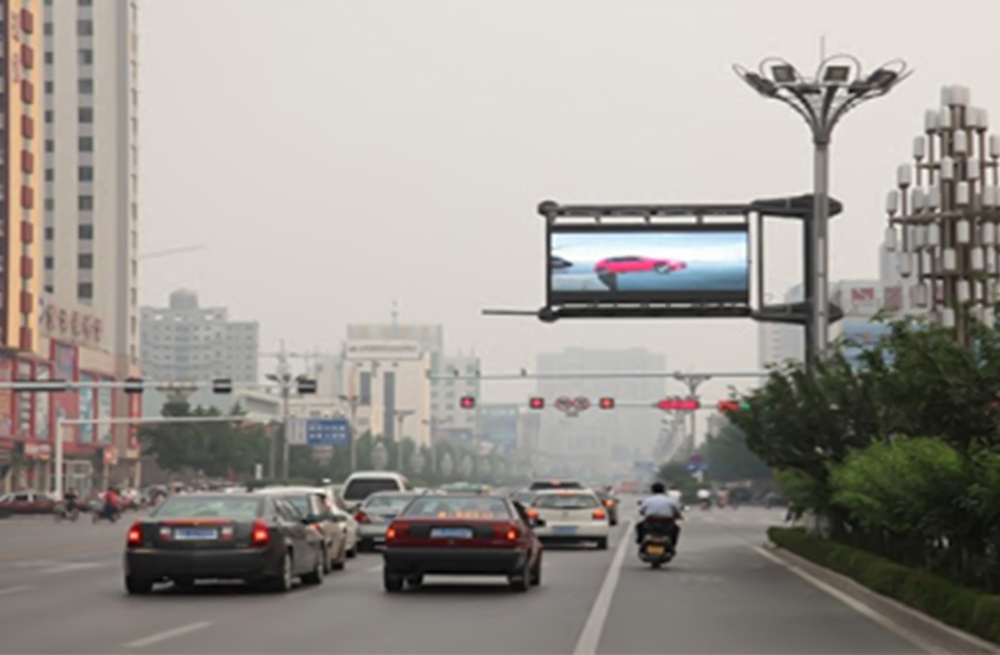
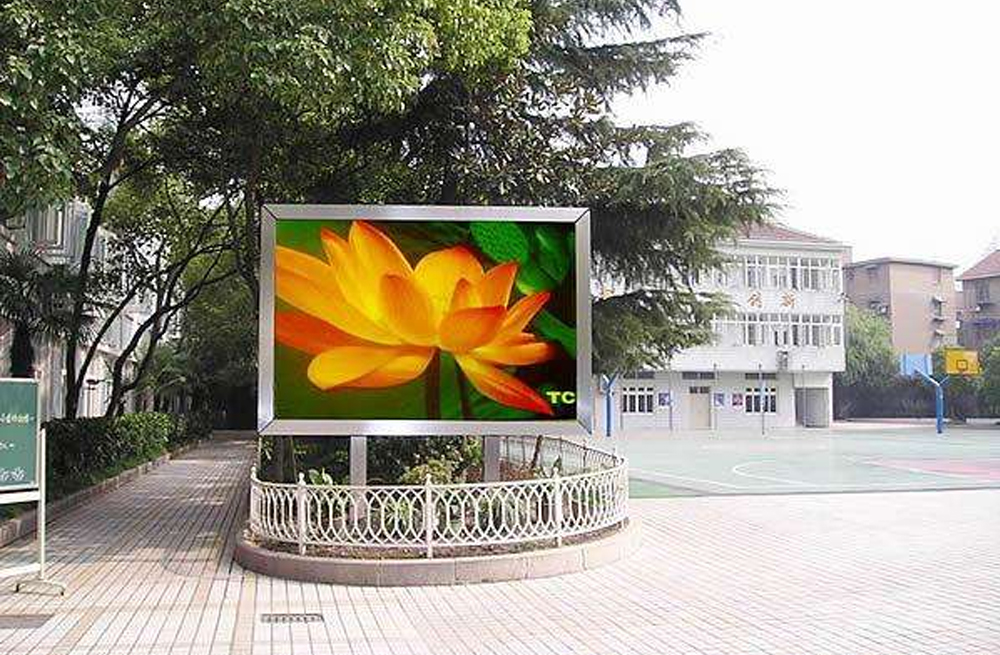
A Mean Well power supply is a strong choice for an LED display when its DC output voltage exactly matches the LED modules and the calculated continuous load stays within about 70% to 80% of the supply’s rated output. For a typical 5V LED cabinet, add the current required by the modules, receiving cards, hub boards and fans, then select enough power supplies to retain 20% to 30% headroom. This margin reduces heat stress and helps the display remain stable during bright, high-load content.
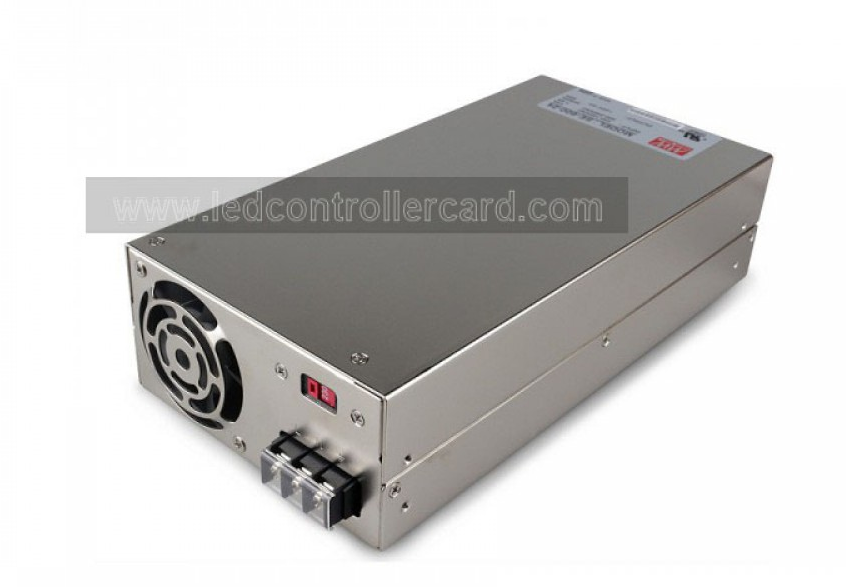
MEAN WELL is the manufacturer’s official brand styling; “Meanwell” is also a common search term. This guide explains how to size and install a Mean Well power supply for LED displays, with the Mean Well RSP-320-5 as a practical 5V example.
Quick answer: how to choose a Mean Well LED display power supply
| Requirement | Selection rule | Why it matters |
|---|---|---|
| DC output voltage | Match the module specification exactly, commonly 5V but sometimes 4.2V or another value | The wrong voltage can cause instability or damage |
| Continuous load | Plan to use about 70% to 80% of rated output under the worst normal load | Provides thermal and operating headroom |
| AC input | Confirm the local mains voltage, frequency and branch-circuit capacity | Prevents input-side mismatch and nuisance trips |
| Protection | Look for short-circuit, overload, overvoltage and overtemperature protection | Limits the effect of common electrical faults |
| Cooling | Follow the model’s airflow, spacing and derating requirements | Rated power may fall as ambient temperature rises |
| Cabinet fit | Check length, width, height, terminal access and cable bend radius | A power supply must fit without blocking service access or airflow |
| Environment | Use a suitable enclosure and consider conformal coating for humid or dusty locations | An open-frame supply alone is not weatherproof |
Why power-supply selection matters in an LED display
An LED display does not draw a perfectly constant load. Current rises as more pixels illuminate and as brightness increases. The power system must support the modules as well as receiving cards, hub boards, indicator circuits and cooling fans. If the supply is undersized, the cabinet may flicker, show color errors, restart receiving cards or shut down during bright scenes.
A well-sized system also controls voltage drop. LED modules operate at low voltage and high current, so resistance in a long or undersized DC cable can create a meaningful loss. The power supply may measure correctly at its terminals while the farthest module receives too little voltage. Power capacity, wire size, cable length and load distribution therefore need to be designed together.
How to size a Mean Well power supply for LED displays
1. Confirm the required DC voltage
Read the LED module label or datasheet before selecting a supply. A 5V power supply should feed 5V modules; it must not be substituted for a 4.2V or 12V requirement. Confirm that receiving cards and accessories connected to the same output are compatible with that voltage.
2. Calculate the real current and wattage
Use the manufacturer’s maximum current for every module and accessory, or use a verified worst-case measurement for the finished cabinet.
Total DC current (A) = module current + receiving-card current + hub-board current + fan and accessory current.
DC load (W) = output voltage (V) x total current (A).
Then apply headroom:
Recommended installed capacity (W) = calculated load / target utilization.
For example, assume a 5V cabinet has a verified worst-case total load of 160A. A 320W, 5V supply is rated for 64A. At an 80% design target, its planned usable current is 51.2A. Dividing 160A by 51.2A gives 3.125, so the design requires four supplies, with the module groups distributed as evenly as possible. Always round up.
3. Check peak load, startup and AC input
Do not size only from average video content. Test or calculate the brightest expected pattern and account for startup behavior. On the AC side, verify breaker capacity, conductor size, inrush current and the number of supplies on each branch circuit. Large displays may require staged power distribution to avoid simultaneous startup problems.
4. Apply thermal derating
A rating printed on the label is valid only under the conditions in the product documentation. High cabinet temperature, restricted airflow, dust buildup and altitude can reduce available output. Keep ventilation openings clear, separate hot air from cool-air intake paths and use the manufacturer’s derating curve when the cabinet operates outside standard conditions.
5. Check mechanical and service requirements
Confirm the supply’s profile, mounting orientation and terminal location before finalizing the cabinet layout. Leave enough clearance to tighten terminals, replace a fuse and remove the unit without disturbing LED modules. A low-profile model can be useful in slim rental cabinets and shallow fixed-installation enclosures.
Mean Well RSP-320-5 for 5V LED displays
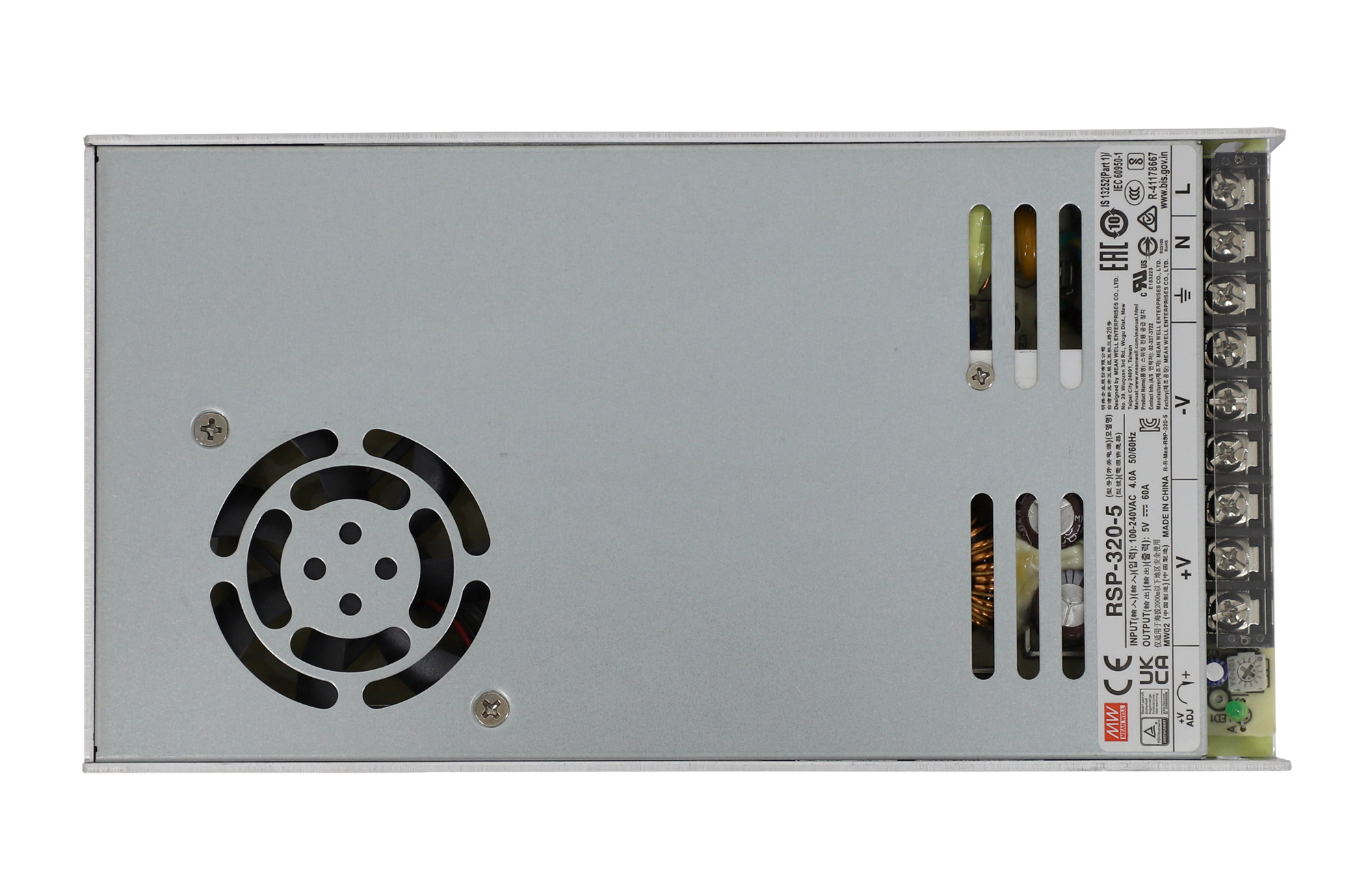
The RSP-320-5 is one option for 5V LED display cabinets and moving-message signs. Its published features include universal AC input, built-in active power-factor correction, efficiency up to 90%, short-circuit, overload, overvoltage and overtemperature protection, a controlled built-in DC fan, and a 30mm 1U profile. An optional conformal-coated version is identified as RSP-320-CC.
Before specifying it, review the official MEAN WELL RSP-320 product information and the RSP-320 specification PDF. The model’s features do not replace cabinet-level protection, grounding, ventilation or a weather-rated enclosure.
RSP-320-5, LRS-350-5 or NEL-300-5?
- RSP-320-5: consider it when a 5V output, active PFC, full-range input and a 30mm profile match the design.
- LRS-350-5: compare it for general 5V high-current applications where its dimensions, cooling method and electrical specifications fit.
- NEL-300-5: compare it when an ultra-slim form factor is the priority.
The best series is not automatically the one with the highest wattage. Select the model that satisfies voltage, usable output after derating, input requirements, cabinet depth, acoustic limits, environmental protection and service access. Browse the full LED power supply range to compare current products.
Installation checklist for stable LED cabinet power
- Disconnect and lock out AC power before wiring or service.
- Connect protective earth to the power supply and cabinet as required by local electrical rules.
- Keep AC and low-voltage DC wiring separated and mechanically secured.
- Use correctly sized conductors, terminals, fuses and branch protection.
- Keep high-current DC runs short; use balanced cable lengths for comparable module groups.
- Distribute modules evenly across supplies and label each supply’s load group.
- Do not parallel outputs unless the exact model and wiring method support current sharing.
- Check polarity before energizing the cabinet.
- Measure voltage at the farthest module under a bright test pattern, not only at the supply terminals.
- Verify fan operation, airflow direction and cabinet temperature after warm-up.
Installation and service should be performed by qualified personnel. Follow the power-supply manual, LED module documentation and applicable electrical codes.
Common symptoms and what to check
| Symptom | Likely checks |
|---|---|
| Flicker or color shift on bright content | Output overload, voltage drop, loose terminals, undersized DC wiring or uneven load distribution |
| Receiving card restarts | 5V rail sag, transient load, poor grounding or a shared cable carrying too much current |
| Power supply runs hot or shuts down | Blocked airflow, excessive ambient temperature, overload, fan failure or incorrect mounting |
| Some modules are dimmer than others | Long cable runs, unequal conductor resistance, connector loss or incorrect output adjustment |
| AC breaker trips at startup | Combined inrush current, insufficient branch capacity or a wiring fault |
Frequently asked questions
Is a Mean Well power supply good for LED displays?
Yes, when the selected series matches the display’s voltage, load, cooling and environmental requirements. MEAN WELL publishes model-specific electrical, protection and derating data, which makes engineering comparison easier. The brand name alone does not guarantee that every model suits every cabinet.
How much spare capacity should an LED power supply have?
A common design target is 20% to 30% headroom, meaning a continuous operating load of roughly 70% to 80% of rated output. Increase the margin when ambient temperature is high, ventilation is limited or load estimates are uncertain, and always follow the model’s derating instructions.
How many 5V power supplies does an LED display need?
Divide the cabinet’s verified worst-case current by the planned usable current per supply, then round up. For a 320W, 5V unit, rated current is 64A; at an 80% target, plan around 51.2A per supply before applying any additional thermal derating.
Can two LED power supplies be connected in parallel?
Only when the exact models and the manufacturer’s approved wiring method support parallel operation or current sharing. Otherwise, assign separate module groups to separate supplies. Directly tying unsupported outputs together can create unequal current sharing and failure risk.
Can an open-frame Mean Well supply be used outdoors?
Not by itself. Outdoor use requires a cabinet or enclosure with suitable ingress protection, drainage, ventilation and corrosion control. Conformal coating may help protect a circuit board from humidity and dust, but it does not make an open-frame unit waterproof.
Final recommendation
Start with the LED module voltage and worst-case current, add all cabinet accessories, retain at least 20% to 30% capacity margin, and verify thermal derating and voltage at the farthest module. For a compact 5V design requiring active PFC, the Mean Well RSP-320-5 is a relevant model to evaluate. For model selection, availability or cabinet-level power planning, contact the LED Controller Card team with the module voltage, maximum current, cabinet dimensions and installation environment.