Quick answer: A transparent LED display is usually the better choice when a storefront or glass facade must remain visible, while an LED poster is better for portable, close-view advertising that can be deployed quickly. The right choice depends on viewing distance, ambient light, installation surface, content workflow, maintenance access, and whether the screen must withstand outdoor conditions.
Both display types can turn unused space into digital advertising inventory, but they solve different problems. This guide compares transparent LED screens and LED poster displays so retailers, event teams, property managers, and advertisers can choose a practical solution instead of selecting on appearance alone.
What Is a Transparent LED Display?
A transparent LED display is a lightweight LED screen designed to show digital content while allowing people to see through the installation. It is commonly mounted behind shop windows or integrated with glass walls. Spacing between the LED strips or modules creates the transparent effect.
Depending on the product design and pixel pitch, a transparent LED screen may offer approximately 60% to 90% transparency. This is a model-dependent range, not a universal specification. Higher transparency preserves more daylight and visibility through the glass, while a denser pixel layout can improve image detail.
Main advantages of transparent LED screens
- Preserves the glass facade: products, interiors, and architectural features can remain visible behind the screen.
- Indoor installation with outward-facing content: many storefront systems are serviced from inside the building.
- Lower structural load: lightweight cabinets can reduce the need for a heavy steel structure, subject to an engineering review.
- Flexible sizing: modular construction supports large windows and custom display dimensions.
- Ventilation and heat dissipation: the open structure can help airflow around the display.
A screen mounted behind glass is not automatically an outdoor-rated display. Glass reflections and sunlight can reduce contrast, so brightness, window tint, viewing angle, heat buildup, and local advertising rules must be checked before installation.
What Is an LED Poster Display?
An LED poster display is a slim, vertical digital sign intended for high-impact advertising at entrances, retail aisles, showrooms, exhibitions, product launches, hotels, and event venues. It can be freestanding, wall-mounted, suspended, or combined with additional poster units to create a larger canvas.
Many models support Wi-Fi, Ethernet, or USB content input and can operate with synchronous or asynchronous control. Fine-pitch options such as P1.9, P2.5, and P3 are common for close viewing, and some products provide refresh rates up to 3840 Hz for camera-friendly playback. Exact interfaces, pixel pitches, brightness, and refresh rates vary by model and should be confirmed on the specification sheet.
Main advantages of LED posters
- Fast deployment: a self-contained cabinet can be positioned and commissioned without building a large video wall.
- Portable format: the display can be moved between campaigns, stores, or events when the model includes a suitable base or transport case.
- Close-view image quality: fine pixel pitches suit product information, branded videos, menus, and promotional graphics.
- Flexible content control: scheduled playback and remote updates can reduce manual campaign changes.
- Front service access: compatible models simplify module and component maintenance in tight spaces.
Most LED posters are designed for indoor or sheltered use. For a true outdoor installation, specify weather protection, operating temperature, brightness, wind-load design, power protection, and the required IP rating.
Transparent LED Display vs LED Poster: Key Differences
| Decision factor | Transparent LED display | LED poster display |
|---|---|---|
| Best location | Storefront windows and glass facades | Entrances, aisles, showrooms, stages, and events |
| Visibility through screen | Yes; transparency varies by model | No; uses a solid image area |
| Typical viewing pattern | Medium-distance viewing from outside | Close to medium-distance viewing |
| Installation | Fixed or suspended behind/in front of glass | Freestanding, wall-mounted, hanging, or joined |
| Portability | Usually a fixed installation | Often portable or repositionable |
| Content impact | Content appears to float on glass | Dense, high-contrast full-frame image |
| Maintenance | Often accessed from indoors | Front service is available on many models |
| Outdoor suitability | Depends on mounting method and rating | Requires an outdoor-rated model |
Which Display Is Better for Outdoor Advertising?
Choose a transparent LED display when the advertising surface is a window and maintaining natural light or a view into the store is important. It is especially effective for flagship stores, shopping centers, car showrooms, and glass-front buildings where a conventional opaque screen would block the interior.
Choose an LED poster when speed, portability, and close-range image detail matter more than transparency. Posters are well suited to temporary promotions, trade shows, reception areas, product launches, concerts, and point-of-sale campaigns.
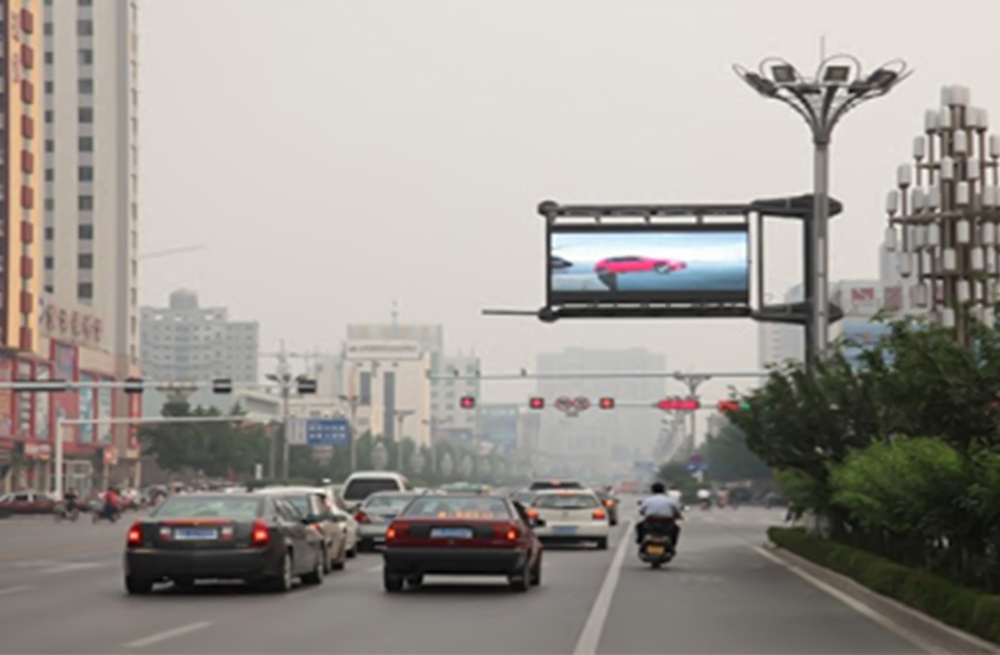
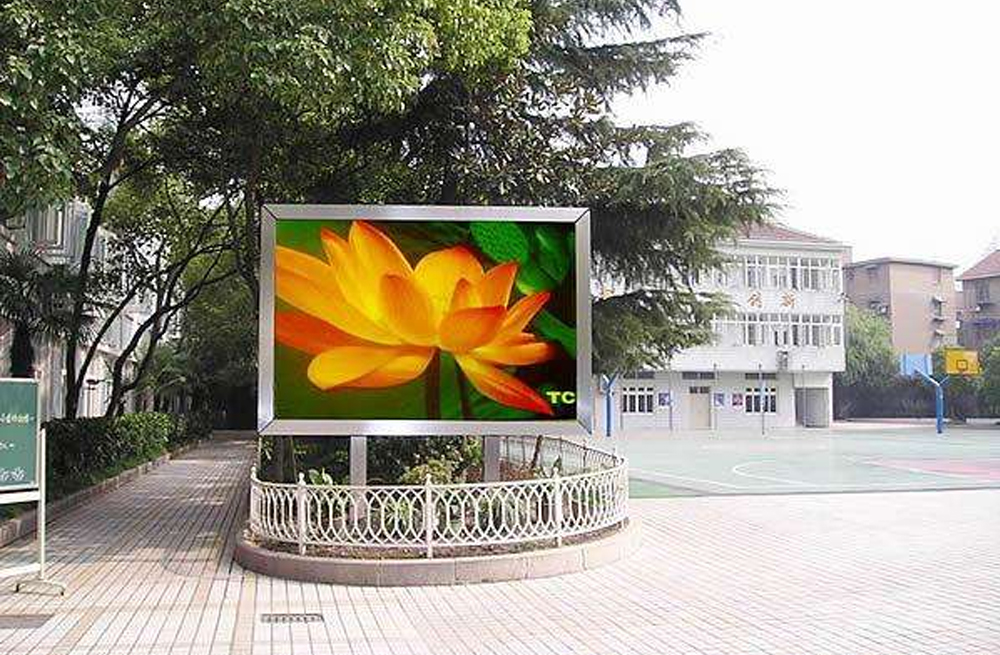
For an unsheltered roadside, building exterior, or public-space installation, neither product category should be selected by name alone. Use a purpose-built outdoor LED display with documented environmental protection, brightness, structural design, and electrical safety.
How to Choose the Right Advertising LED Display
- Define the viewing distance. Pixel pitch influences the distance at which individual pixels become less noticeable. A smaller pitch normally supports closer viewing, but it also changes cost and power density.
- Measure ambient light. A bright window or outdoor environment needs enough display brightness and contrast. More brightness is not always better indoors, where excessive output can be uncomfortable.
- Confirm the installation environment. Record available dimensions, glass type, ventilation, mounting points, power access, service access, temperature range, and exposure to rain or dust.
- Plan the content workflow. Decide whether content will be updated by USB, local network, Wi-Fi, cloud platform, or a synchronous video source. Confirm compatibility with the selected LED video processor or controller.
- Check serviceability and compliance. Verify front or rear access, spare-module strategy, electrical protection, structural approval, and local sign regulations before purchase.
For a broader procurement checklist, read these tips for choosing an advertising LED display.
How These Displays Add Commercial Value
The value of an LED advertising screen comes from relevance and operational fit, not from brightness alone. A transparent screen can monetize a glass facade without fully hiding the store. An LED poster can replace repeated printed-poster changes and run scheduled video, pricing, or event content from one reusable display.
Campaign performance will depend on content quality, location, dwell time, viewing angle, screen uptime, and the clarity of the call to action. Before calculating return on investment, compare total ownership costs such as installation, control equipment, power, maintenance, content production, permits, and expected service life.
Frequently Asked Questions
Can a transparent LED display be installed indoors and viewed outdoors?
Yes. Many storefront systems are installed behind glass and face pedestrians outside. However, the design must account for window reflections, solar heat, tint, brightness loss, ventilation, and the screen manufacturer’s permitted operating environment.
Is an LED poster suitable for outdoor use?
Only when the specific model is rated for the intended outdoor conditions. Confirm the IP rating, brightness, operating temperature, wind stability, cabinet protection, and electrical installation. A standard indoor LED poster should not be exposed to rain.
What transparency rate should a storefront LED screen have?
There is no single best percentage. Higher transparency protects the view and daylight, while lower transparency may support denser pixels and stronger image detail. Choose after testing content against the actual glass and daytime lighting.
Can multiple LED posters be connected together?
Many models support side-by-side or creative multi-unit layouts, but cabinet alignment, controller capacity, resolution mapping, and content aspect ratio must be planned as one system.
Which display is easier to maintain?
It depends on access. A transparent display installed behind glass can often be serviced indoors, while a front-service LED poster can be maintained without moving the cabinet. Ask for the maintenance method, spare-parts list, and module replacement procedure before ordering.
Conclusion
A transparent LED display is the stronger option for glass-based advertising that must preserve visibility. An LED poster is the more practical option for portable, close-view promotions and fast campaign deployment. For exposed outdoor sites, choose a properly rated outdoor system rather than assuming either format is weatherproof.
Shenzhen EAGER LED Co., Ltd. supplies LED display products and control solutions for retail, events, commercial advertising, stadiums, and custom installations. Contact our team with your viewing distance, installation photos, screen dimensions, ambient-light conditions, and control requirements for a model-specific recommendation.