Quick answer: A rental LED screen is built for frequent transport, fast setup, and repeated dismantling. A fixed-installation LED screen is engineered for permanent mounting, long-term operation, and easier site-specific integration. The right choice depends on how often you move the display, the environment, and your maintenance plan.
This guide explains the practical differences between rental and fixed-installation LED displays so event teams, venue owners, and outdoor advertisers can choose the correct system.
Rental LED screen vs. fixed-installation LED screen
| Factor | Rental LED screen | Fixed-installation LED screen |
|---|---|---|
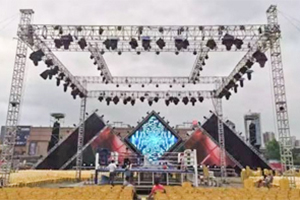
| Primary use | Concerts, conferences, touring events, and temporary campaigns | Retail, transportation, stadiums, building facades, and permanent signage |
| Structure | Lightweight cabinets with quick locks and handles | Site-specific steel frame or wall-mounted structure |
| Installation | Fast assembly and dismantling by a trained crew | One-time installation with detailed site engineering |
| Transport | Designed for repeated loading, unloading, and road transport | Usually stays at the installation site |
| Maintenance | Modular parts and accessible connections support rapid replacement | Front or rear service access is selected for the building layout |
| Total cost | Optimized for reuse across multiple events | Optimized for long service life and lower movement requirements |
1. Mobility and setup speed
Rental LED cabinets use lightweight frames, locating pins, quick locks, and lifting handles. These details allow a crew to assemble a large display quickly, remove it after an event, and reuse it at the next venue. A clear standard operating procedure (SOP) helps local technicians install the system consistently and reduces labor time.
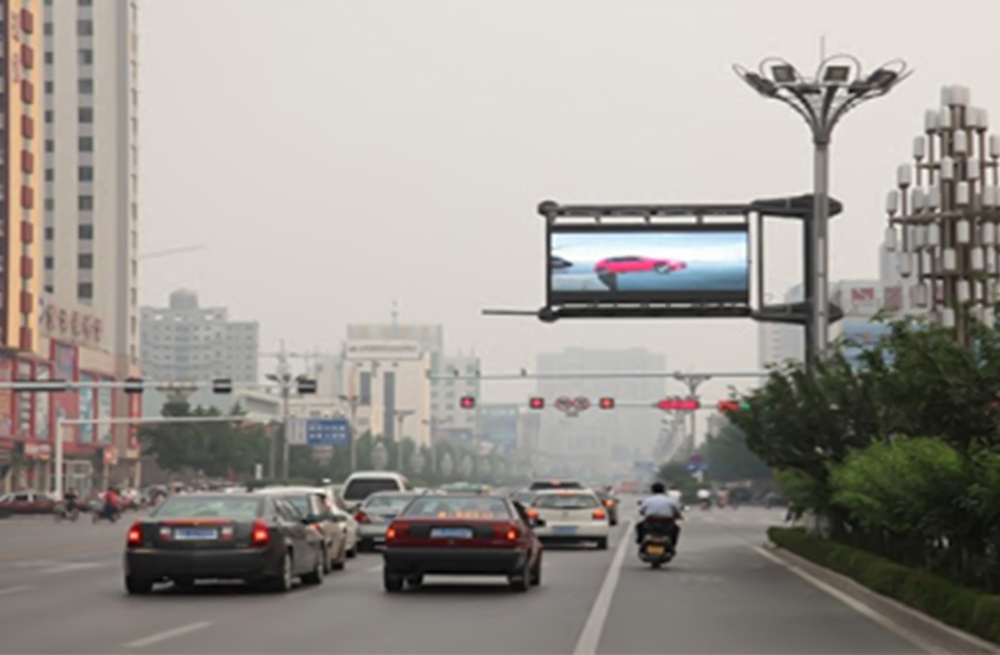
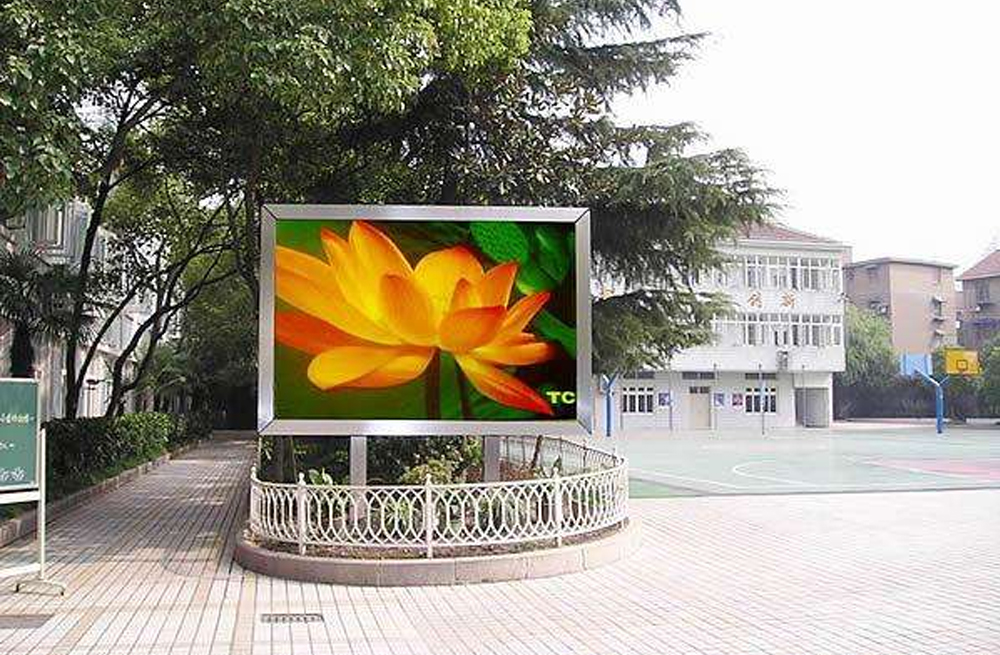
Fixed screens normally remain in one position after commissioning. Examples include road-traffic information boards, shopping-mall advertising, and permanent outdoor signs. Their mounting frame, cabling, and power distribution can therefore be designed for one site instead of repeated movement.
2. Durability during transport
A rental display must tolerate vibration, small impacts, and frequent handling. Manufacturers reinforce cabinet corners, locks, connectors, and module protection to reduce damage during transport. Cabinet dimensions also need to fit flight cases, trucks, and other logistics systems, including international shipping.
Fixed-installation cabinets still need weather and vibration protection, but they do not experience the same cycle of loading and unloading. The engineering priority is usually wind resistance, waterproofing, heat dissipation, and structural safety at the permanent location.
3. Maintenance and image reliability
Event rental customers expect a uniform image throughout a show. A damaged LED module, loose connector, or mismatched replacement can affect the entire wall, so technicians should keep spare modules, receiving cards, power supplies, and calibrated settings ready. Front-service access can shorten replacement time when the rear of the wall is difficult to reach.
For a fixed screen, maintenance planning focuses on service access, drainage, ventilation, brightness scheduling, and long-term spare-parts availability. Select front maintenance for a tight indoor installation and rear maintenance when a dedicated service corridor is available.
4. Which LED screen should you choose?
- Choose a rental LED screen when the display will move between concerts, trade shows, conferences, government events, or temporary promotions.
- Choose a fixed-installation LED screen when the display will serve one building, venue, roadway, retail site, or advertising location for years.
- Ask the supplier about pixel pitch, IP rating, brightness, cabinet weight, power consumption, service access, spare parts, and controller compatibility before ordering.
US rental LED display projects: why the SOP matters
Many US rental projects rely on local engineering crews. A supplier should provide a concise SOP with cabinet orientation, locking sequence, power and signal wiring, grounding, test steps, and safe dismantling. Clear documentation makes the system easier to deploy across different venues and helps protect the display during every tour.
For compatible LED display parts and control equipment, see our fixed-installation LED display category and rental LED screen category. Contact our team at [email protected] for help matching a controller, receiving card, or power supply to your display.